Is A Day Trip From Buenos Aires To Uruguay Worth It?
Colonia del Sacramento has been a UNESCO World Heritage site since 1995, and the Portuguese founded it in 1680. It also sits closer to Buenos Aires than to Montevideo, which is the single fact that decides this question.
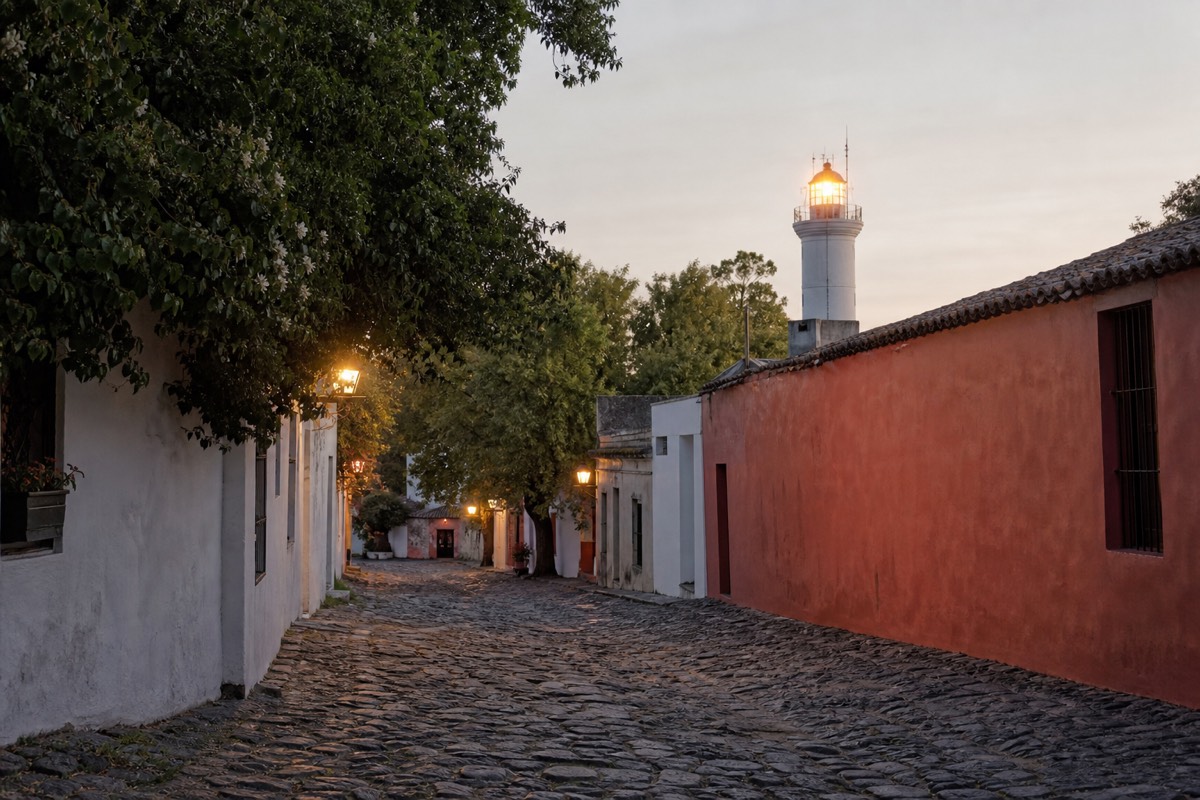
Yes for Colonia del Sacramento, no for Montevideo. Colonia is the classic Buenos Aires day trip and it works because the crossing is short and the town is small enough to absorb in an afternoon. Montevideo is a longer crossing to a full-sized capital, and squeezing it into one day means spending most of that day in transit.
Colonia is the easier single-day escape from Buenos Aires. Montevideo rewards a longer stay.
Booking Shortlist: Colonia Day Trip From Buenos Aires. Cross from Buenos Aires to Colonia for a guided introduction and time in the old town.
The distinction is worth being blunt about, because plenty of itineraries treat "a day in Uruguay" as one product. It is not. One version gives you six or seven relaxed hours in a walled colonial town. The other gives you maybe four hours in a city that needs two days.
Why Colonia Works As A Day Trip
Colonia del Sacramento's historic quarter is roughly ten square blocks of cobbled Portuguese and Spanish streets, and it can be walked properly in three to four hours. The scale matches the time available.
The town was founded by the Portuguese in 1680 as a smuggling outpost across the river from Spanish Buenos Aires, and changed hands repeatedly over the following century. That contested history is legible in the streets: Portuguese houses with sloping tiled roofs next to Spanish ones with flat roofs, a 1745 city gate and drawbridge, the Calle de los Suspiros with its wedge-shaped drainage cobbles, and a lighthouse built over convent ruins. UNESCO inscribed the historic quarter in 1995, and the listing entry is worth reading before you go.
Colonia Express runs the Buenos Aires to Colonia route, with an onward bus connection to Montevideo that brings the total to roughly four hours 45 minutes. For a Colonia-only day, you are looking at a short crossing each way and a genuinely unhurried town in between.
Why Montevideo Does Not Compress Well
Buquebus ferries between Buenos Aires and Montevideo take roughly two and a half to four and a half hours each way depending on the service. Add terminal time at both ends and a one-day return leaves about four usable hours in a capital city.
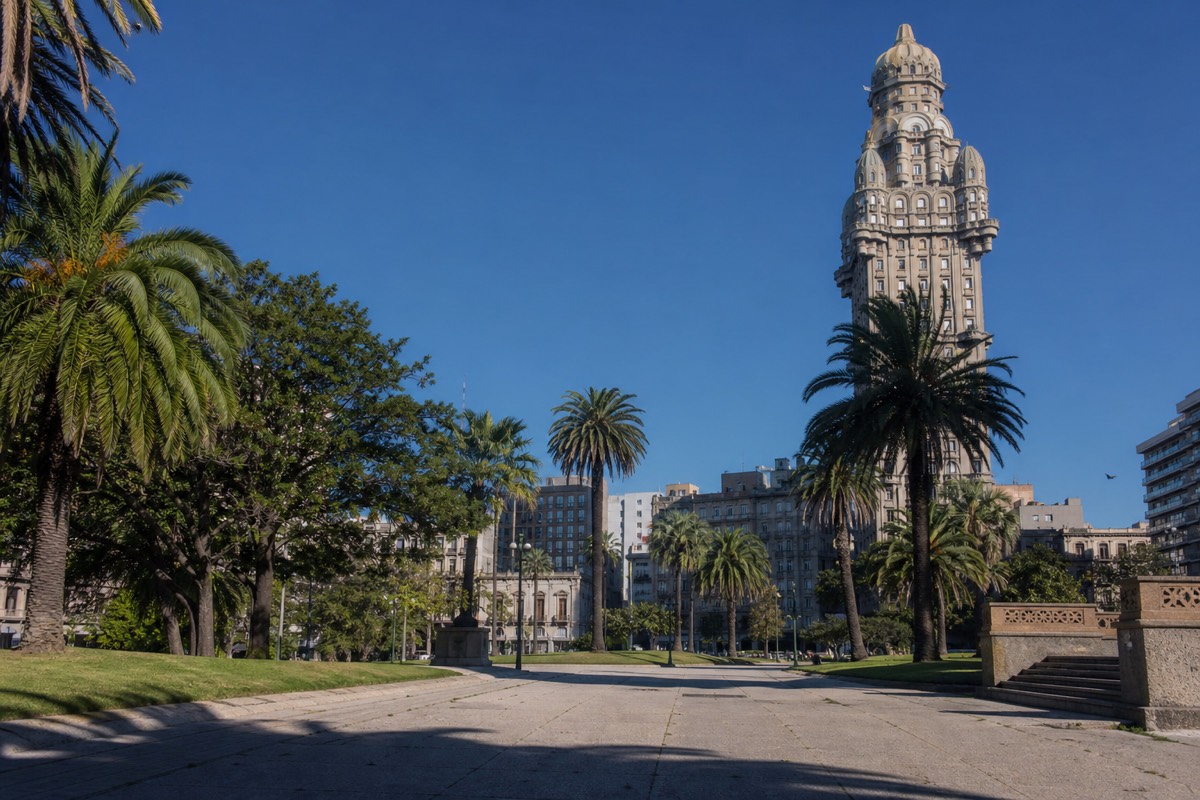
Four hours in Montevideo gets you Ciudad Vieja and lunch. It does not get you the Rambla beaches, Parque Batlle, the Centenario Stadium, Pocitos, Carrasco or any winery in Canelones. Fares typically run around $70 to $170 USD one way, and rates move by season and service, so check current fares before committing. Paying that twice for four hours ashore is poor value.
The better plan is one or two nights. Two full days covers the city comfortably, and it converts an expensive round-trip ticket into a real visit. Our Buenos Aires to Montevideo ferry guide compares the operators, sailing times and terminals.
What Do You Do With Your Hours In Colonia?
Walk the historic quarter, climb the lighthouse, eat slowly by the water, and leave time for the Real de San Carlos bullring outside town. That is a full, unhurried day without needing a plan.
The set pieces are close together. The Portón de Campo, the eighteenth-century city gate with its reconstructed drawbridge, is the natural entrance. From there the Calle de los Suspiros runs down toward the river, its wedge-shaped cobbles laid to drain rainwater, and it is the single most photographed street in Uruguay. The lighthouse, built over the ruins of the San Francisco convent, gives a 26-metre view over the terracotta roofs and the river beyond. The Basilica del Santísimo Sacramento anchors Plaza Mayor.
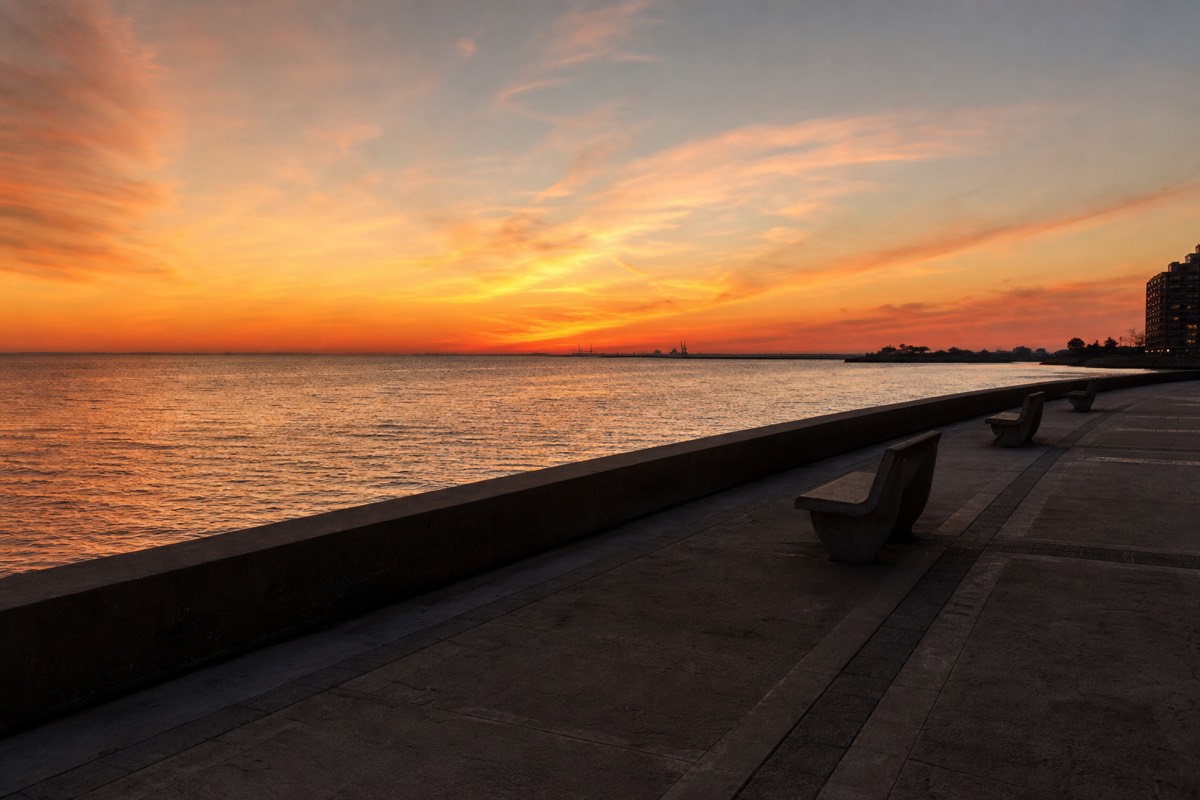
Five kilometres north sits the Real de San Carlos bullring, a Mudejar-style arena inaugurated in 1910 and used for barely a handful of seasons before bullfighting was banned. It is strange, half-ruined and largely empty, and it is the thing most day trippers skip and then regret skipping. Colonia also has a working waterfront rambla with its own city sign, which is where the light is best in the late afternoon.
What Does It Cost, And What Should You Know First?
Budget for the ferry, an immigration stop, and a currency you may not be carrying. Uruguay uses the peso, around 40 UYU to the US dollar as of August 2026.
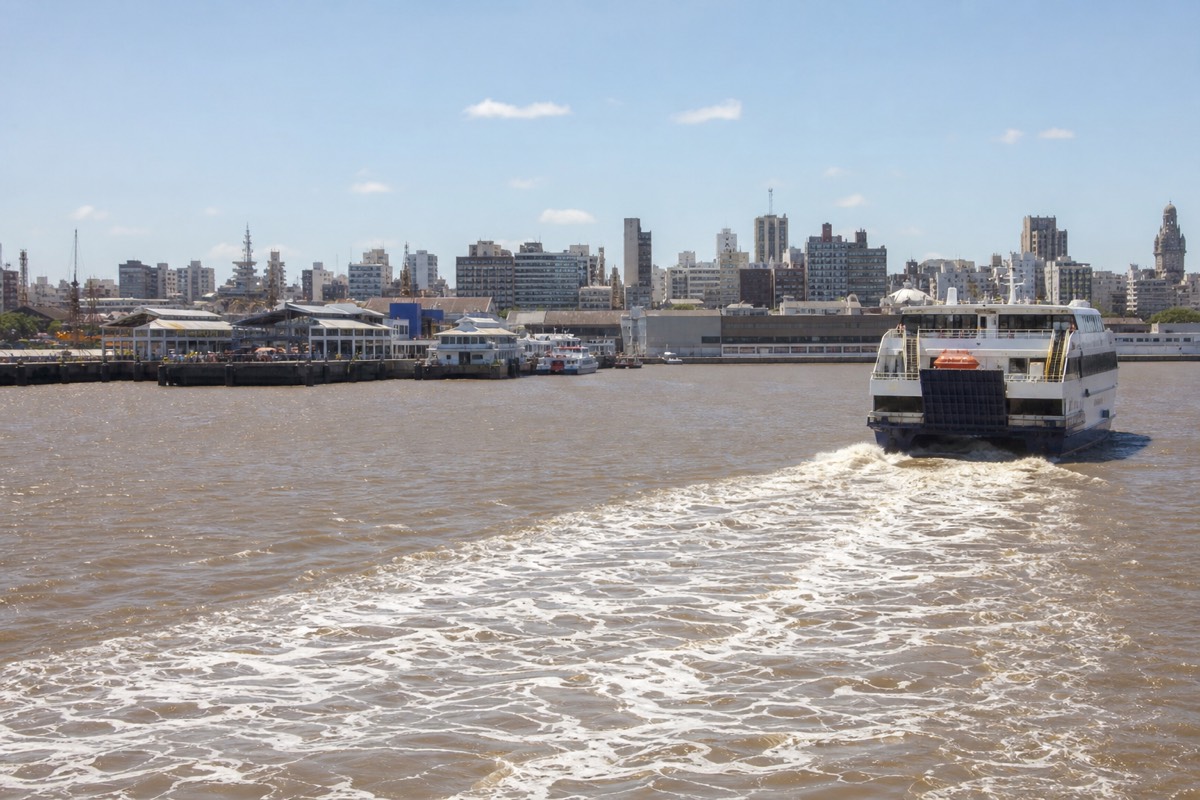
Immigration for both countries is handled in the same terminal before boarding, which makes the crossing feel like an internal transfer. Take your passport regardless of how short the trip is. Cards are widely accepted in Colonia and Montevideo, with cash useful at market stalls and smaller cafés. US citizens do not need a tourist visa for stays up to 90 days.
Seasonality matters. December to February brings the best weather and the busiest ferries, and booking ahead is sensible. Winter crossings are quieter, and Colonia in the mist is atmospheric rather than disappointing.
The Version That Actually Delivers
Base yourself in Montevideo for two or three nights, then take Colonia as a day trip from there. You get the capital properly and the UNESCO town without turning either into a race.

From Montevideo, Colonia is about a two-hour drive west along the coast. The full-day Colonia tour from Montevideo runs around $60, includes hotel pickup, a multilingual guide, a guided walk of the historic quarter, free time for lunch and a tasting stop at Granja Arenas on the way back. For groups who want to set their own pace, the private UNESCO city tour of Colonia covers the same ground in a private vehicle with time built in for the Real de San Carlos bullring and the lighthouse.
Give Montevideo itself one guided morning to solve the geography. The half-day city sightseeing tour takes in eleven stops from around $35. Everything we run is listed on our Montevideo and Uruguay tours page, and prices shift, so check the live listing.