Where To Avoid In Montevideo
Most of the neighbourhoods that appear on government risk lists for Montevideo are residential districts on the city's outer edges, several kilometres from anything a visitor would have a reason to walk to. Knowing their names is still useful, mainly so you notice if a route takes you toward one.
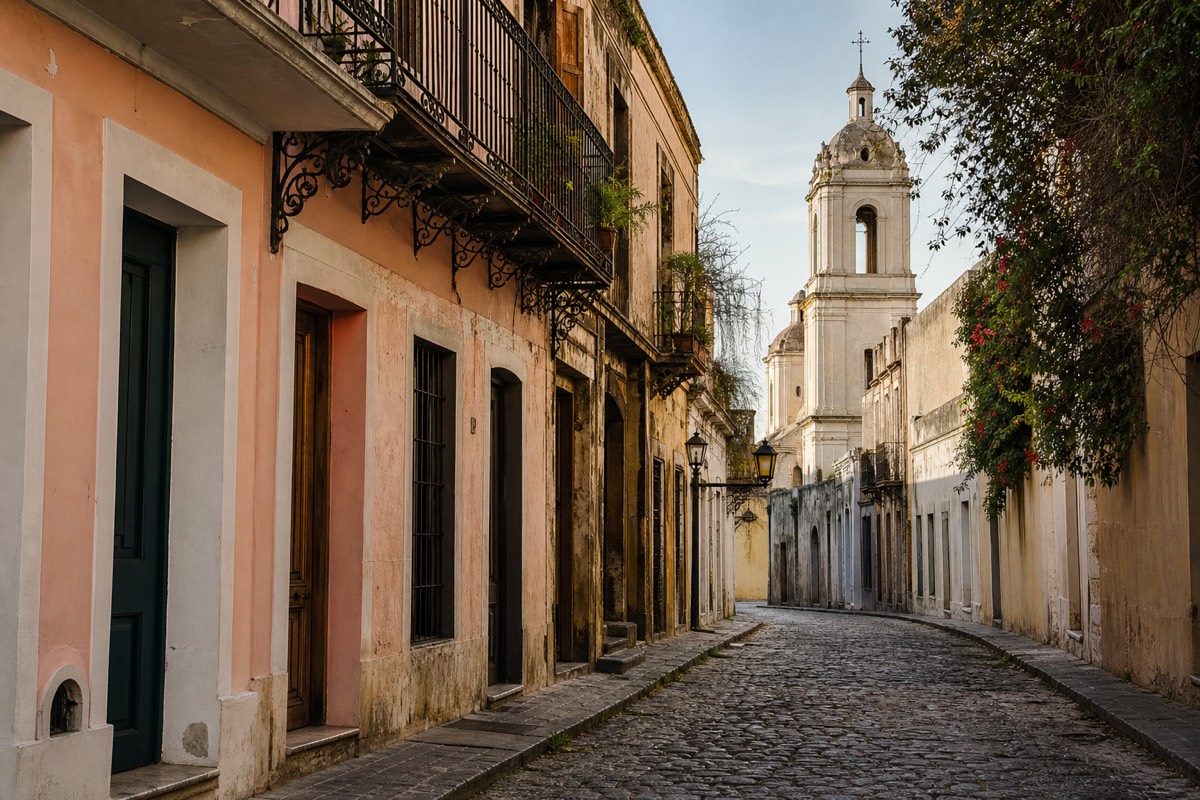
Avoid Casavalle, Marconi, Barrio Borro, 40 Semanas, Bella Italia, Casabó, Hipódromo, La Teja, Malvín Norte, Tres Ombúes, Villa del Cerro and Villa Española. These are the areas flagged as higher-risk by foreign government sources, and none of them sits on a normal tourist route. Beyond that list, the real caution applies to time of day rather than postcode: the port area, parts of Ciudad Vieja, 18 de Julio Avenue and Plaza Independencia all change character after dark.
Choose where and when to explore with the practical advice below. Guided transport can simplify logistics, but it cannot guarantee personal safety.
Booking Shortlist: Half-Day Montevideo City Tour. Link the old town, Agricultural Market and Pocitos waterfront in one guided loop.
The context matters. Uruguay ranks as the most peaceful country in South America and 43rd globally on the 2026 Global Peace Index. Montevideo is not a dangerous city by regional standards. It is a capital with a street-crime problem that concentrates in specific places at specific hours, which makes it straightforward to plan around.
Which Neighbourhoods Do Governments Actually Flag?
Twelve names come up in official guidance: 40 Semanas, Barrio Borro, Bella Italia, Casabó, Casavalle, Hipódromo, La Teja, Malvín Norte, Marconi, Tres Ombúes, Villa del Cerro and Villa Española. They are mostly northern and western residential districts, plus a couple of outlying areas.
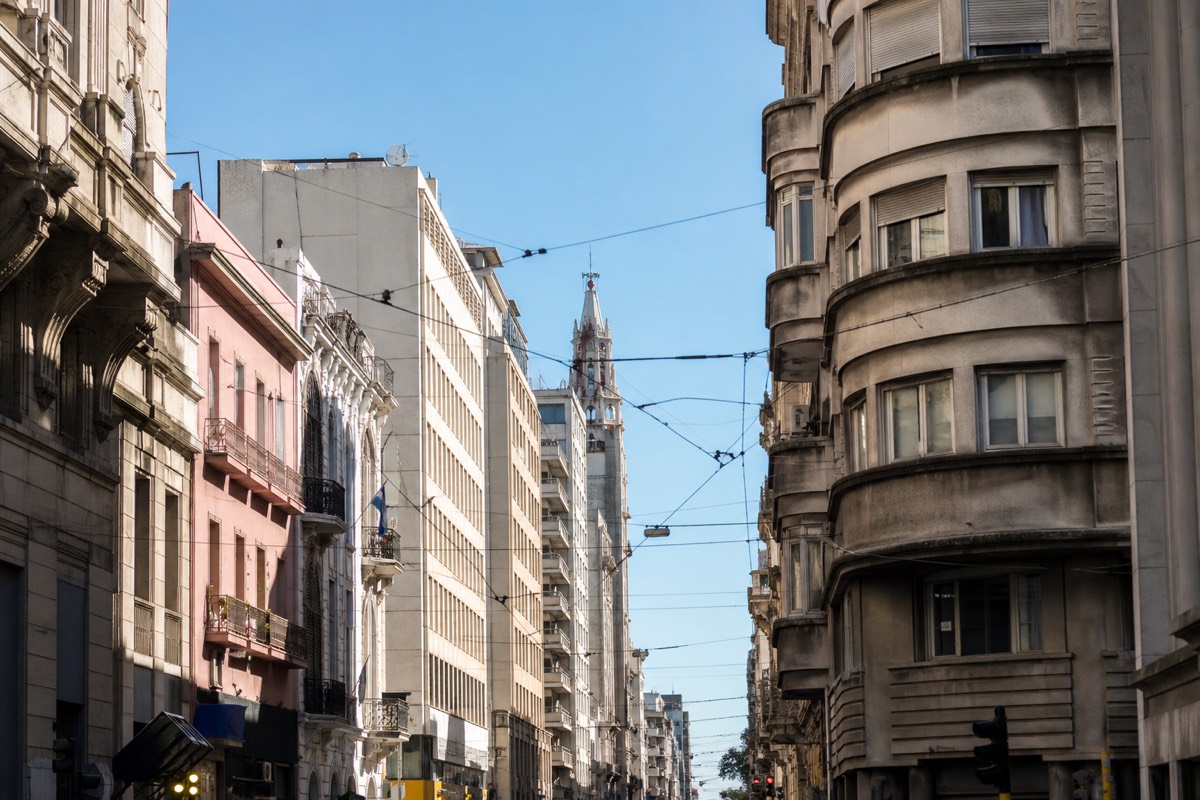
You are unlikely to end up in any of them by accident. There are no major museums, hotels or restaurants there, and taxi or ride-app routes between the airport, the port and the tourist neighbourhoods do not pass through most of them. The exception people ask about is Villa del Cerro, because the hill and its fortress are visible from across the bay and look tempting from a distance. If you want the view from the Cerro, go with a private local guide or a driver rather than making your own way there and wandering.
Some guided city loops drive through La Teja and Capurro on the way west toward Colonia del Sacramento. Passing through a neighbourhood in a vehicle with a local guide is a different proposition from walking it alone, and it is not something to be nervous about.
The flagged-neighborhood question calls for current local advice and a route decision, not a sightseeing booking sold as a safety guarantee.
Where Should You Be Careful Inside The Tourist Core?
Ciudad Vieja after dark, the port area, 18 de Julio Avenue and Plaza Independencia at night are the places official advice singles out, even though all four are ordinary daytime destinations.
The UK Foreign Office is specific: keep away from isolated or poorly lit areas at night, and avoid walking downtown or in the port area alone, particularly at night and at weekends. Ciudad Vieja is a good illustration of why the advice is time-based. During the day it is the city's most interesting square kilometre, full of offices, cafés, the cathedral, Teatro Solís and the Mercado del Puerto. After the offices empty, whole blocks go quiet and poorly lit, especially the streets between the market and the southern edge.
The practical version: enjoy the old town in daylight and early evening, then take a taxi or ride app back rather than walking the last fifteen minutes. Our Ciudad Vieja guide maps which streets stay busy into the evening.
What Is The Actual Risk You Are Managing?
Overwhelmingly opportunistic theft. Bag-snatching, pickpocketing and phone grabs are what visitors report, with mugging and occasionally armed robbery the more serious end of the range.
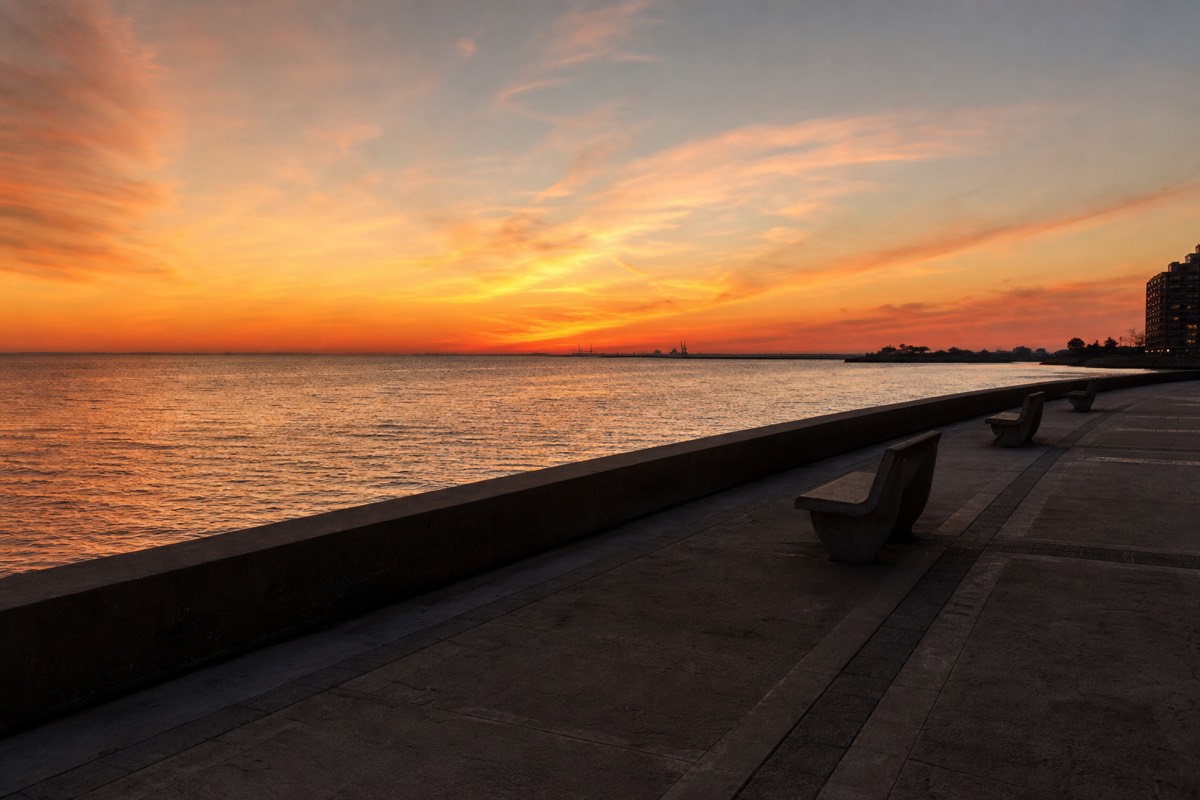
The US State Department's language is broader, covering violent crime including homicide, armed robbery, carjacking and theft across the country. That reflects national crime statistics rather than a specific threat to tourists, and the crimes that touch visitors are almost always the property kind. Canada's guidance sums up the shape of it neatly: normal precautions across Uruguay, a higher degree of caution in Montevideo, with crime rates generally lower outside the capital.
The behaviours that reduce exposure are unremarkable. Do not walk with a phone in your hand on a quiet street. Do not leave a bag on the back of a chair on a terrace. Keep camera gear away when you are not using it. Carry a day's cash rather than everything.
A tour cannot insure against theft or replace precautions with belongings. Keep the risk-management steps in this section separate from paid sightseeing.
Does The Time Of Day Matter More Than The Map?
For visitors, yes. The same streets that are ordinary at two in the afternoon are the ones advisories warn about at eleven at night, and that pattern accounts for most incidents involving tourists.

Montevideo's centre is a working downtown rather than a residential one. Offices, ministries and banks along 18 de Julio Avenue and around Plaza Independencia keep the area busy through the working day and hollow it out afterwards. Weekends compound it, which is why the UK guidance singles out weekends alongside nights. The old town follows the same curve.
The practical rule that covers nearly all of it: plan your walking for daylight, and plan your evenings around a car. A ride app from a restaurant door to a hotel door costs very little in a city where the peso runs around 40 UYU to the US dollar, and it removes the only part of the advisory language that realistically applies to a visitor's day.
Where Should You Stay And Walk Instead?
Pocitos, Punta Carretas and Carrasco are the residential neighbourhoods visitors are steered toward, with Ciudad Vieja excellent by day. Those four cover almost every hotel and restaurant you would want.
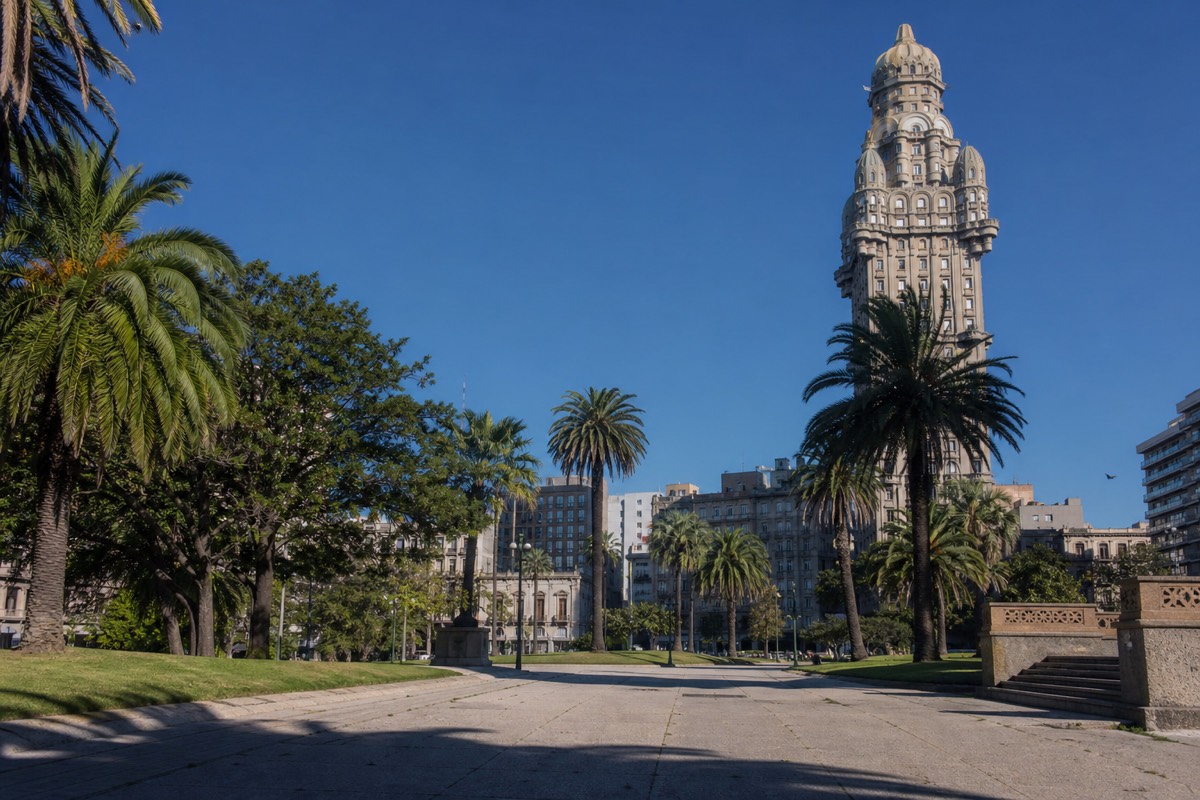
Pocitos gives you the beach, the Rambla and a dense grid of restaurants that stays busy in the evening. Punta Carretas is quieter and has the lighthouse and the shopping centre. Carrasco, out toward the airport, is leafy and low-rise. The Rambla itself is well used and well lit along the popular stretches, though the same night-time logic applies to its emptier sections. There is more on the waterfront in our Rambla and beaches guide, and the broader picture in the Montevideo safety guide.
If you would rather not think about routing at all on your first day, a guided loop takes the decision away. The hop-on hop-off bus sticks to the main circuit and runs from around $35, and the private discovery tour with a local guide puts someone alongside you who knows exactly which streets are worth walking and when. Both are listed with everything else on our Montevideo tours page.