Is Montevideo Safe? A Practical Safety Guide
Uruguay sits at the top of South America on the Global Peace Index, 43rd in the world in 2026, and the US State Department still tells travellers to exercise increased caution because of crime. Both of those things are true at once, and understanding why is the whole point of this guide.
Is Montevideo Safe For Tourists?
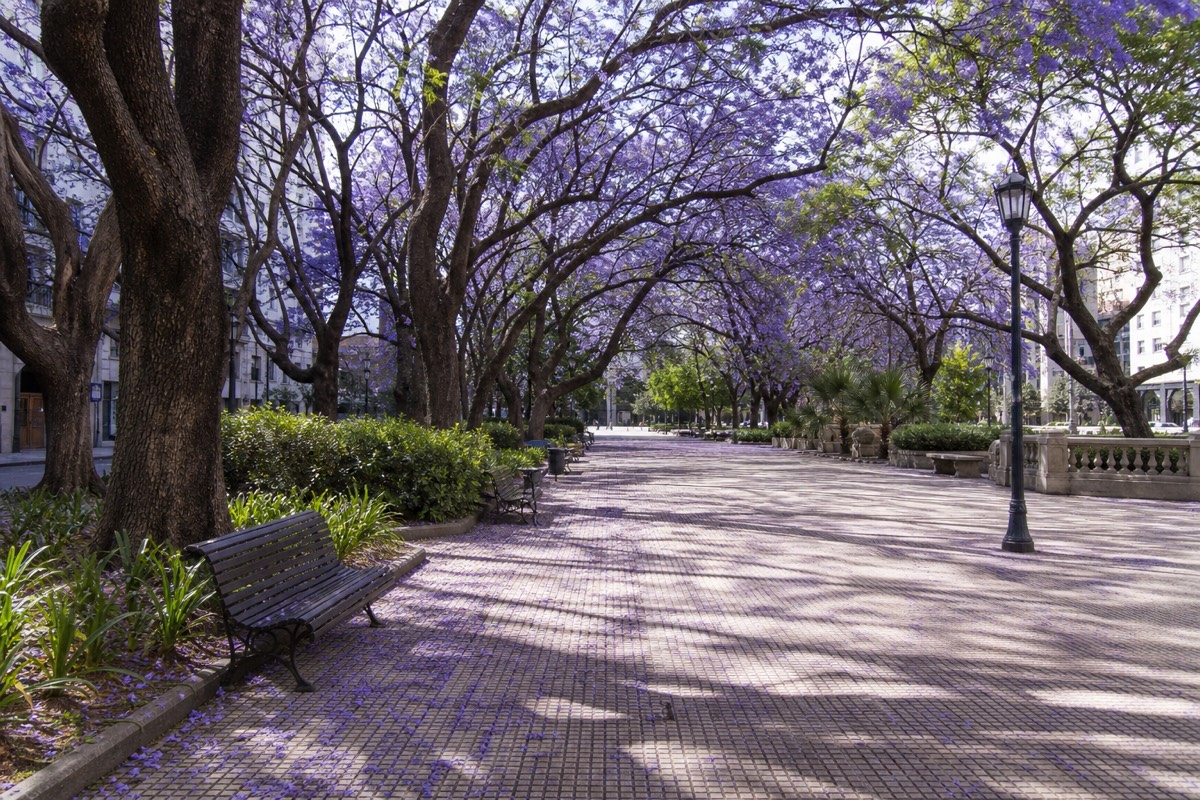
Montevideo is broadly safe for visitors who stick to the tourist neighbourhoods and take normal city precautions. Uruguay ranks as the most peaceful country in South America and 43rd globally on the 2026 Global Peace Index. The real risk is opportunistic property crime: pickpocketing, bag snatching and street robbery, concentrated in specific places and specific hours.
Use the safety advice to decide your routes and precautions. Guided outings can help with orientation and transport, without removing risk.
Booking Shortlist: Half-Day Montevideo City Tour. Link the old town, Agricultural Market and Pocitos waterfront in one guided loop.
The honest framing is this. You are unlikely to have a serious problem in Montevideo. You are meaningfully more likely to have your phone taken than you would be in Madrid or Melbourne, and the way it happens here has a local pattern worth learning. Nobody needs to be frightened. Everybody needs to be slightly more deliberate than they would be at home.
What confuses people is the gap between reputation and paperwork. Uruguay is regularly described as one of the safest and most stable countries in Latin America, with a long democratic tradition, low political violence and a solid rule of law, and that reputation is earned. Its capital still records the kind of urban street crime that any city of well over a million people records. The government advisories reflect the second fact, not a contradiction of the first.
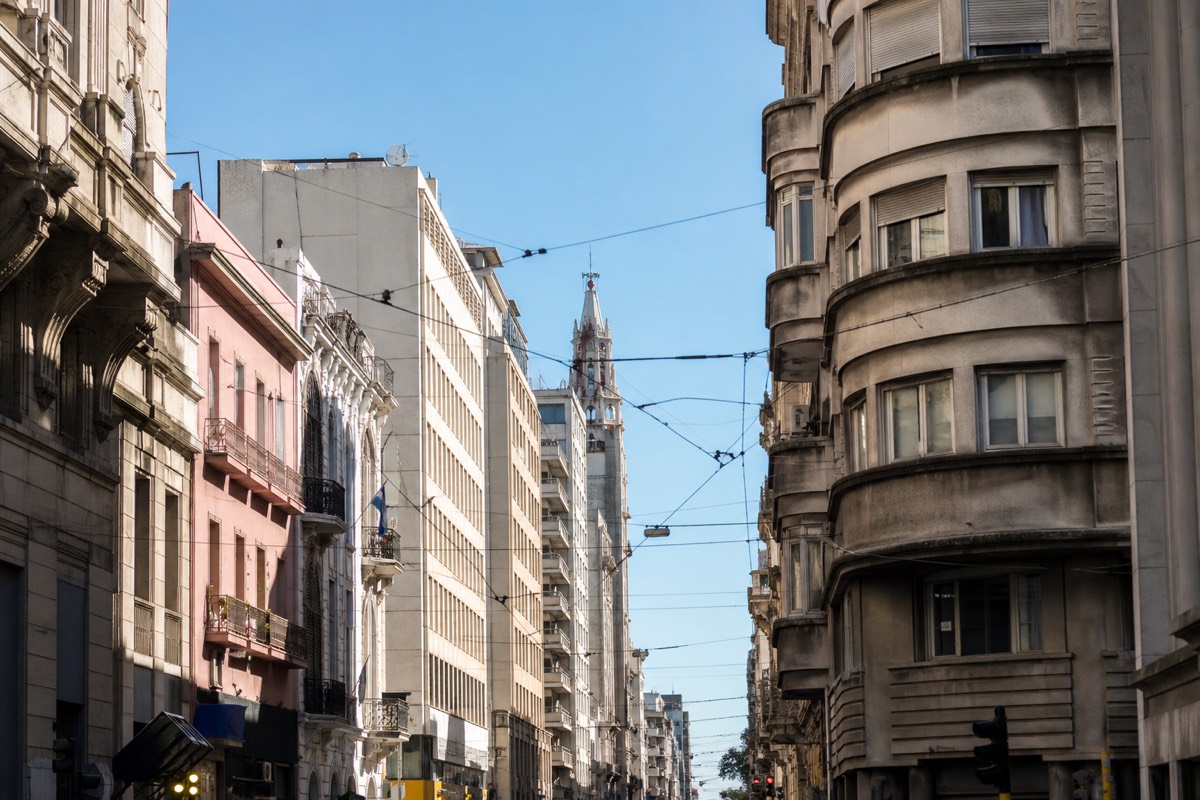
The practical takeaway for a short visit: the tourist core of Ciudad Vieja, Centro, Pocitos, Punta Carretas and Carrasco is where you will spend nearly all your time and where the police presence is heaviest, including a dedicated tourist police unit. The neighbourhoods flagged in advisories are mostly outer districts that no itinerary would take you through by accident. Stay aware, keep valuables out of sight, and the odds are strongly in your favour.
What Do The Government Travel Advisories Actually Say?
All three major English-language advisories describe Uruguay as generally safe while flagging crime. The United States advises exercising increased caution due to crime. The United Kingdom warns about bag snatching, pickpocketing and armed robbery in Montevideo. Canada advises normal precautions countrywide but a high degree of caution specifically in Montevideo.
Reading the actual wording is more useful than reading the headline level, because the wording tells you which behaviours the risk attaches to. Here is what each government publishes.
| Government | Headline advice | What it specifically flags |
|---|---|---|
| United States | Exercise increased caution in Uruguay due to crime | Violent crime occurs across the country, including homicide, armed robbery, carjacking and theft |
| United Kingdom | Street crime happens in Montevideo | Bag snatching and pickpocketing, mugging and robbery, sometimes armed; avoid isolated or poorly lit areas at night, and walking downtown or in the port area alone at night and at weekends |
| Canada | Normal security precautions in Uruguay, high degree of caution in Montevideo | Crime in the capital specifically, with regional advisories elsewhere |
Two details in that table deserve emphasis. The UK advice names the port area and downtown, alone, at night, and on weekends as the combination to avoid, which is a much sharper instruction than a general warning. And the UK also notes that crime rates are generally lower outside Montevideo, which matches what travellers report from Colonia, Punta del Este and the interior.
Advisories change, so read the current text before you fly rather than trusting a guide written months earlier. The primary sources are the US State Department advisory for Uruguay, the UK foreign travel advice for Uruguay and the Government of Canada travel advice. For the broader picture on stability rather than street crime, the Global Peace Index is where Uruguay's regional ranking comes from.
Travel advisories describe risks and precautions. No tour here changes an advisory or supplies a safety guarantee.
Which Montevideo Neighbourhoods Are Safe, And Which Should You Avoid?
The tourist core of Ciudad Vieja, Centro, Pocitos, Punta Carretas and Carrasco is where visitors stay and where policing is concentrated. Government sources flag a set of outer neighbourhoods as higher risk, including Casavalle, Marconi, Barrio Borro, Casabo, La Teja, Villa del Cerro, Malvin Norte, Bella Italia, Tres Ombues, Villa Espanola, Hipodromo and 40 Semanas.
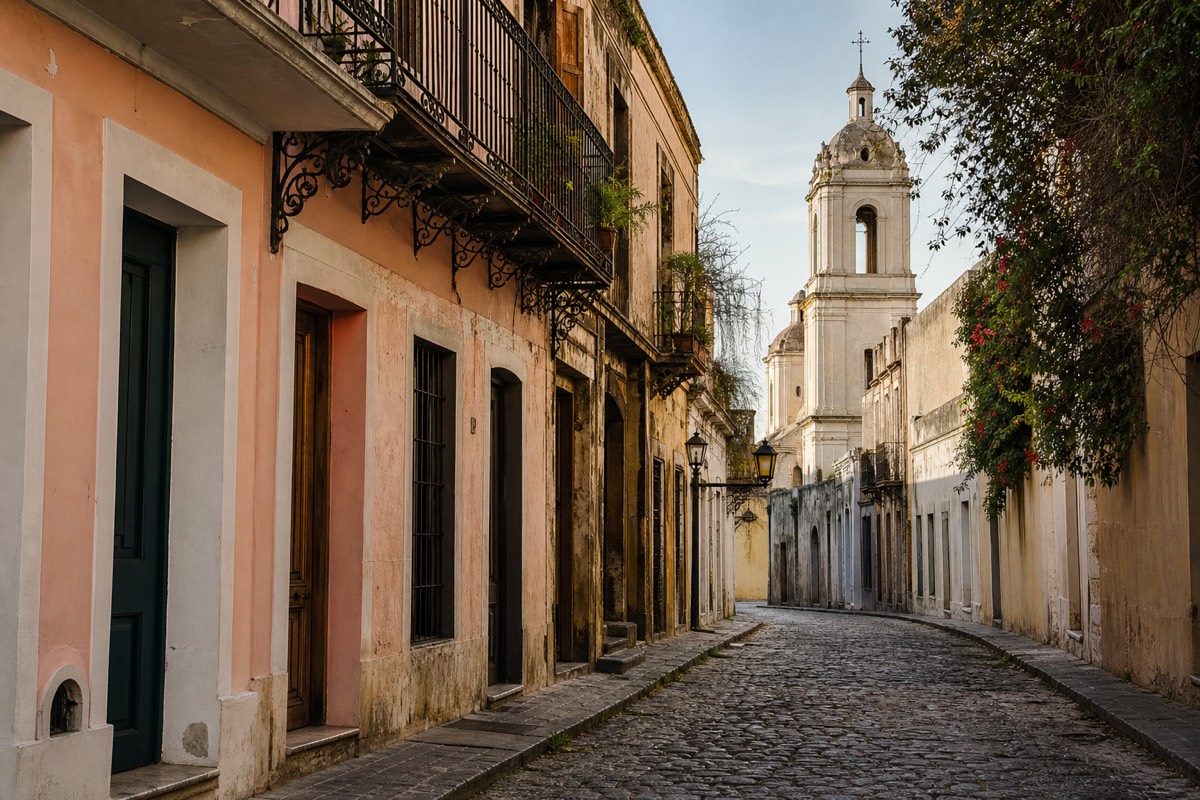
The reassuring part is geography. None of the flagged neighbourhoods contain anything a visitor would be looking for. They are working-class residential districts on the northern and western edges of the city, and unless you deliberately set out for them or mis-set a rideshare destination, you will not pass through them. The one that occasionally causes confusion is Villa del Cerro, because the Fortaleza del Cerro on the hilltop is a genuine attraction with the best panorama in Montevideo. Visit it with a private guide or driver rather than walking up through the neighbourhood.
| Area | Status | What to know |
|---|---|---|
| Ciudad Vieja | Tourist core, patrolled | Fine by day and early evening. Advisories still counsel caution here after dark, especially away from the busy pedestrian streets |
| Centro and 18 de Julio | Tourist core, patrolled | Busy commercial spine. Watch pockets and bags in crowds; caution is advised around the avenue and Plaza Independencia at night |
| Pocitos | Residential, comfortable | Beach neighbourhood, popular with visitors and expats, active into the evening |
| Punta Carretas | Residential, comfortable | Upmarket, with the shopping centre and lighthouse; among the easiest areas to walk at night |
| Carrasco | Residential, comfortable | Leafy and quiet out near the airport; safe but very spread out, so plan transport |
| Port area (Puerto de Montevideo) | Caution | Named by UK advice as a place not to walk alone, particularly at night and at weekends |
| Casavalle, Marconi, Barrio Borro, Casabo, La Teja, Villa del Cerro, Malvin Norte, Bella Italia, Tres Ombues, Villa Espanola, Hipodromo, 40 Semanas | Avoid | Flagged as higher risk by government sources; no visitor attractions and no reason to enter |
If you want a fuller treatment of the map, including how to set up rideshare drop-offs so you never end up on the wrong side of a boundary, see our companion piece on where to avoid in Montevideo.
What Kind Of Crime Actually Affects Visitors?
Overwhelmingly property crime rather than violence against tourists. Pickpocketing, purse snatching and theft dominate, and one recurring local method is theft by pairs on motorcycles who target people stopped at traffic lights, standing at ATMs, or arriving at car parks and hotels. Muggings and armed robbery do occur in some areas.

The motorcycle pattern is the one most worth internalising, because it changes how you behave rather than just what you carry. Two people on a bike can pull alongside a stopped car, a pedestrian on a kerb or a person concentrating on a cash machine, take a phone or a bag, and be three streets away before anyone reacts. The countermeasures are dull and effective: do not use your phone at the kerb edge, do not rest a bag on the pavement side of your body, and do not stand at a street-facing ATM counting notes.
ATM habits deserve a paragraph on their own. Use machines inside bank branches, shopping centres or hotels rather than street-facing ones. Withdraw during business hours. Put the cash away before you turn around. Carry a day's spending money and leave the rest in the hotel safe, along with your passport, keeping a photo or a copy on your phone instead.
For everything else, the standard urban rulebook applies and works. Keep your phone in a front pocket or a zipped bag rather than in your hand on the street. Do not hang a bag on the back of a restaurant chair, especially on a pavement terrace. Split cards between two places. Wear a cheap watch or none. Do not walk with headphones in unfamiliar areas at night. None of that is Montevideo-specific advice, which is rather the point: this is a normal city with normal city risks, not an exceptional one.
Violent crime does exist, as the US advisory states plainly, and it is largely concentrated in the outer neighbourhoods and connected to local disputes rather than aimed at travellers. The realistic worst case for a visitor is a snatch-and-run robbery. If it happens, hand the thing over. A phone is replaceable and resistance is the variable that turns a theft into an injury.
Theft precautions and emergency planning are not tour inclusions. Keep the practical steps in this section even if you book a guided outing.
Is Ciudad Vieja Safe To Walk, And When Should You Leave?
Ciudad Vieja is safe and busy during the working day and into the early evening, and it thins out quickly afterwards. Advisories specifically counsel caution in parts of it at night. The practical rule most visitors settle on is to enjoy it fully until dinner, then take a taxi or rideshare back rather than walking out through empty streets.
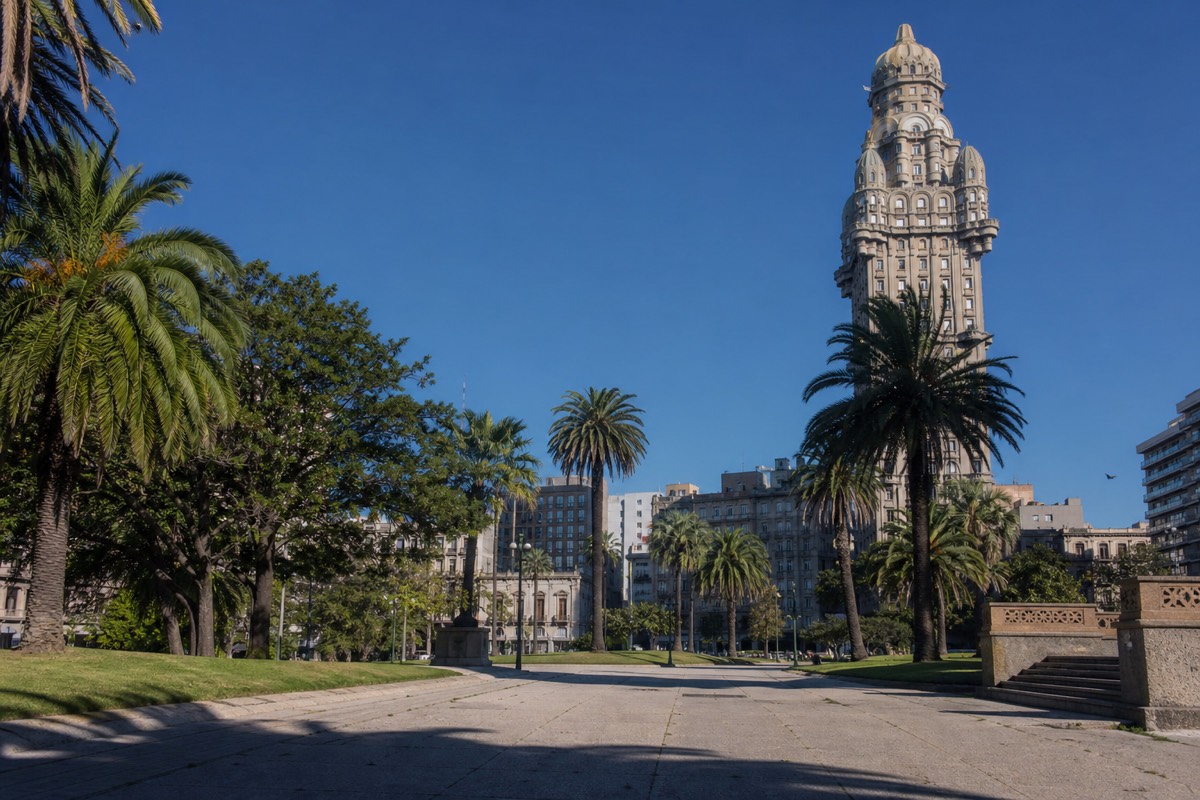
The reason for the shift is structural rather than sinister. Ciudad Vieja is a peninsula full of offices, ministries, banks and the port. Tens of thousands of people commute in each morning and leave each evening, and the residential population left behind is comparatively small. So the same block that is packed at 1pm can be deserted at 10pm. Empty streets are where opportunistic crime happens, in any city on earth.
Within the quarter, stay on the arteries that keep their life longest: Sarandi and the pedestrian sections, Plaza Matriz, Plaza Independencia, and the restaurant clusters that run into the night. The narrow side streets toward the port edge are the ones to skip after dark. Walking somewhere specific at 9pm with other people around is very different from wandering alone at midnight with a phone out.
Weekends have their own pattern. UK advice mentions weekends alongside nights for downtown and the port, because the office population is absent and the area is quieter than a weekday. Sunday in particular is a slow day in this part of town, though the flea market on Sarandi keeps a stretch of it busy.
None of this should stop you from spending real time here. It is the best part of the city, and our Ciudad Vieja guide walks the whole peninsula in the order that makes sense. Just treat it like a business district that happens to be beautiful, and match your hours to the district's own.
Is The Cruise Port Area Safe For Passengers Arriving On Foot?
The cruise terminal at Puerto de Montevideo sits directly against Ciudad Vieja, which is why so many passengers walk out. UK government advice explicitly names the port area as somewhere not to walk alone, especially at night and at weekends. In daylight, with other passengers around, walking to the historic core is common; alone or after dark it is not the sensible choice.
The nuance here matters more than a yes or no. A ship in port in daytime puts hundreds of people onto the same short route at the same time, which is its own kind of safety. That is a different situation from one passenger leaving the terminal at dusk with a camera around their neck. Both are described by the same advisory sentence, which is why blanket answers online contradict each other so often.
Port infrastructure is working infrastructure. Container traffic, freight roads, fencing and vehicle gates are not designed with pedestrians in mind, and the immediate surroundings are not a scenic waterfront promenade. Most cruise lines and most independent operators arrange pickup or a designated meeting point at the port exit for exactly this reason. The Ministry of Tourism building just outside the gates is a standard meeting spot for tours.
If you are on a ship and weighing it up, the shared city tour built for cruise guests handles the port transition for you: a 9.30am start at the Ministry of Tourism, air-conditioned transport, an English, Spanish and Portuguese guide, and detailed port navigation instructions sent in advance. It runs three to four hours and returns to the port, with the option of being dropped at Mercado del Puerto instead.
We cover the walk itself in more depth in is Montevideo walkable from the cruise port, and the wider day in the Montevideo cruise port guide.
How Safe Are Taxis, Uber And The City Buses?
Uber operates legally in Montevideo 24 hours a day and is the default choice for most visitors because the route and driver are logged and payment is cardless. Licensed taxis are metered and fine. City buses on the STM network are cheap and used by everyone, with the usual crowded-bus pickpocketing caution.
Rideshare removes several small risks at once: no cash changing hands on a dark street, no language friction over a destination, no argument about the fare, and a record of the journey. For late nights, arrivals with luggage, and any trip that ends somewhere you have not seen before, it is the straightforward answer. Wait inside a building or a lit doorway rather than on the kerb with your phone up.
Official taxis are metered and regulated, and hotel and restaurant staff will call one on request. The main caution is the same as anywhere: take one from a rank or a phone booking rather than accepting an unmarked car that pulls over and offers a ride.
Buses are genuinely useful. The STM network covers the whole city, and a rechargeable STM card bought at Abitab or Redpagos outlets brings the fare down against paying cash, roughly 46 pesos versus 56 pesos on a common fare as of August 2026. Fares and exchange rates shift, so treat that as an indication. On board, do what locals do: keep bags in front of you, keep your phone away in crowds, and be extra alert at busy stops and interchanges.
Driving yourself is the option we would steer most short-stay visitors away from, not because Uruguayan roads are dangerous but because parking in central Montevideo is hard, car park entrances and traffic lights are exactly where the motorcycle thefts described earlier happen, and you do not need a car for a compact city with cheap rides. For day trips outside the city, a tour with transport included or a hired driver is the calmer choice.
Is Montevideo Safe For Solo Travellers And For Women?
Solo travel in Montevideo is common and manageable, and many solo visitors report an easy time in Pocitos, Punta Carretas and Carrasco in particular. The precautions are the standard ones for any Latin American capital: daylight for unfamiliar areas, rideshare after dark, and a phone that stays in a pocket rather than in your hand.
Uruguay is socially liberal by regional standards, with a long record on civil rights, and street harassment is generally reported as less aggressive than in some neighbouring countries. That is a comparison, not a promise, and experiences vary. Catcalling happens. Ignoring it and continuing to walk is the near-universal advice from women who live here.
A few habits that make solo evenings easier. Eat at restaurants with a lively front rather than an empty room on a quiet street. Tell your accommodation roughly where you are going. Screenshot your route before you leave so you are not standing on a corner with a map open. Book the return ride before you leave the venue, not on the pavement outside it.
Solo visitors also get more out of joining a group than couples do, and not only for safety. A small-group format gives you company for a few hours, a guide who can answer the questions a guidebook does not, and transport between neighbourhoods that would otherwise be three separate taxi rides. The half-day small-group city tour caps at 16 people and includes door-to-door pickup, which for a solo traveller solves the two awkward ends of the day.
If you would rather not share the day at all, a private discovery tour with a local guide is run by a small family company, includes pickup from a hotel, the ferry terminal or Carrasco airport, and can be shaped around the pace you want. It costs more. For some travellers, especially those arriving late or leaving early, the certainty is worth it.
What Should You Do If Something Goes Wrong?
Dial 911 for police, ambulance or fire anywhere in Uruguay. Montevideo also operates a tourist police unit that patrols El Centro, Ciudad Vieja, Pocitos and Punta Carretas, with a heavier presence in summer. For a theft, file a police report the same day so you have documentation for your insurer.
In the moment of a robbery, cooperate. Uruguayan police and every experienced local will tell you the same thing: give up the phone or the bag. Property crime becomes violent crime when the victim resists, and there is nothing in your pockets worth that trade.
Afterwards, work through the list in order. Report to police and get a copy or reference number for the report. Call your bank to freeze cards. Use your provider's remote wipe on a stolen phone. Contact your embassy or consulate if your passport is gone. Tell your accommodation, which can usually help with translation and with getting to the right police station.
Medical care in Uruguay is good by regional standards, with private hospitals and clinics in Montevideo used to treating foreign patients, and pharmacies are widespread. Travel insurance that covers medical treatment and theft is still worth having, as it would be anywhere. Bring enough of any prescription medication for the whole trip, in its original packaging.
The tourist police unit is a useful detail to know exists. Officers assigned to the visitor neighbourhoods are more likely to have some English and to be familiar with the specific problems tourists bring them. If something happens in Ciudad Vieja or Pocitos, ask for them by name: policia turistica.
In an emergency, use the emergency and assistance steps above. A sightseeing operator is not an emergency-response service.
Does Going With A Guide Actually Make You Safer?
Mostly it removes the situations where things go wrong: standing on a corner looking lost with a phone out, walking a route you cannot read, ending up in a neighbourhood you did not intend to reach, or being outside after dark without a plan for getting back. Guides do not make a city safe. They eliminate the friction where risk clusters.
Think about where visitor incidents actually happen. Almost all of them involve one of three ingredients: an obvious tourist marker such as an open map or a camera on display, a quiet or transitional space such as an empty street or a car park, or a moment of distraction such as an ATM or a traffic light. A tour that collects you from your door, moves you between neighbourhoods in a vehicle and returns you at the end has quietly removed all three.
Local guides also carry current knowledge that no written guide can match. Which block has had a run of phone snatches this month. Which stretch of the Rambla is well lit and which is not. Whether the comparsa is drumming in Barrio Sur this Sunday and where to stand while it passes. That is the sort of thing you get from someone who lives here, and it is the strongest argument for using one on day one and then going independent afterwards.
There is a comfort argument too, particularly for older travellers, families with children and anyone whose Spanish stops at gracias. Being able to ask a question and get a straight answer in your own language lowers the general cognitive load of a foreign city, and lower load means better decisions.
What a guide will not do is make risky choices safe. If the plan involves a flagged neighbourhood at night, no guide should be taking you there, and a good one will say so. Look through the Montevideo tours we work with and pick a format that matches how much independence you want, rather than assuming the most expensive option is automatically the safest.
What Safety Mistakes Do Visitors Make Most Often In Montevideo?
The recurring errors are walking out of the port area alone, using street-facing ATMs, keeping a phone visible while stopped at a kerb or a traffic light, staying in Ciudad Vieja late without a ride home, and assuming that a country with a good reputation means a capital with no street crime.
The reputation trap is the deepest of these. People read that Uruguay is the most peaceful country in South America, relax completely, and then behave in Montevideo in ways they would never behave in Barcelona or Chicago. Regional rankings measure things like political stability, militarisation and violent conflict. They do not tell you whether someone will take your phone on 18 de Julio.
The second common error is over-correction: visitors so alarmed by advisory language that they never leave the hotel, take taxis for four-block journeys and skip the parts of the city that make it worth the trip. That is a waste of a good destination. The middle path, alert but relaxed, is where nearly all residents live.
A smaller and very fixable mistake is time-of-day planning. Montevideo eats late, so a dinner that starts at 9.30pm ends at 11.30pm, and if you have not thought about how you are getting back you will be making that decision tired, in the dark, on a quiet street. Book the ride before you order dessert.
Last: do not let one nervous forum post define your trip, and do not let one glowing one either. Read the current text of the official UK advice and its US and Canadian equivalents before you travel, pair it with a look at our practical travel guide for money, transport and connectivity, and then go and enjoy a city that most visitors leave without a single problem.