Montevideo Rambla & Beaches Guide
Montevideo is built along a single 22.2 kilometre ribbon of concrete and sand that never once breaks for a private plot, a port fence or a fee. The Rambla is where the city actually lives, and understanding it is the shortcut to understanding the place.
What Is The Rambla, And How Long Is It Really?
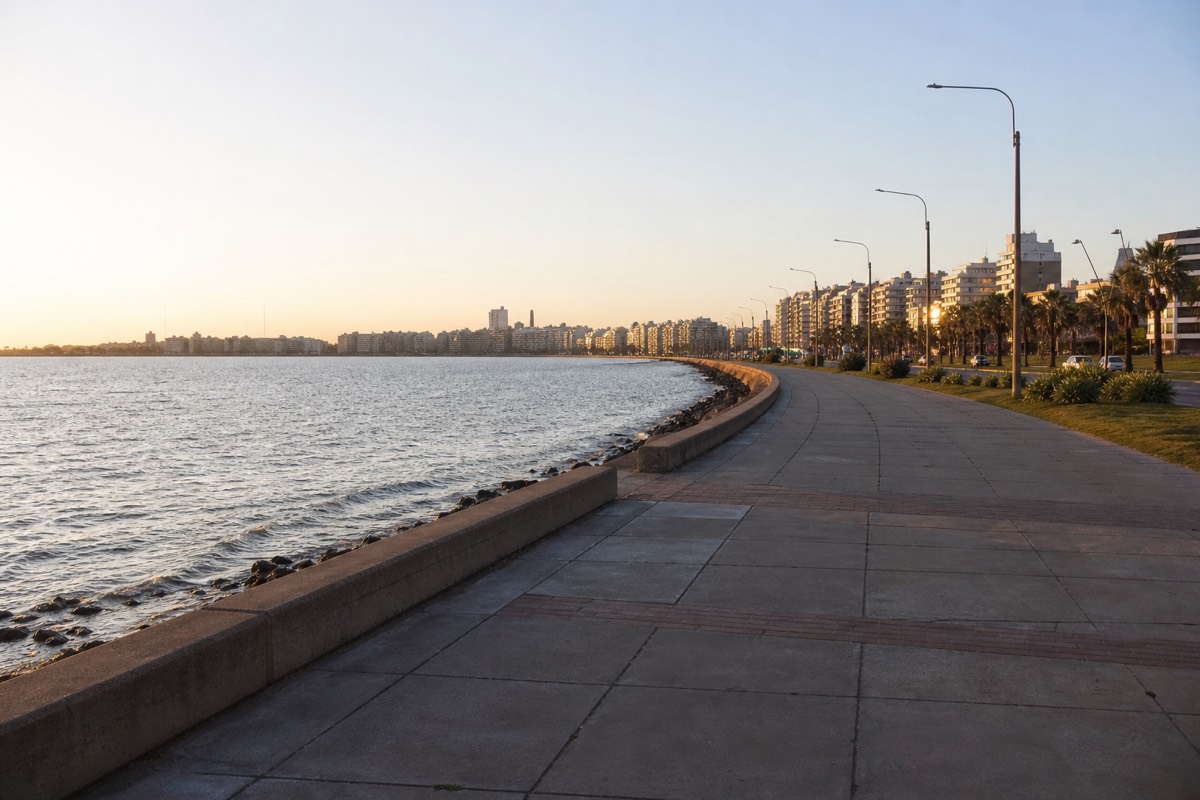
La Rambla is Montevideo's waterfront promenade along the Rio de la Plata, running more than 22.2 kilometres, about 13.7 miles, without interruption. It is one of the longest continuous waterfront promenades anywhere in the world, and it links the old port quarter in the west to the residential eastern beaches in a single unbroken line.
Choose a manageable stretch of waterfront. A city e-bike loop is a guided introduction, not a promise to ride the entire Rambla.
Booking Shortlist: Guided Montevideo E-Bike Tour. Connect Parque Batlle, the old town and a Rambla stretch on an assisted bike ride.
The number matters because of what it implies. Twenty-two kilometres of uninterrupted public waterfront means no gated stretches, no private beach clubs blocking access, and no point at which the walk simply stops. Every neighbourhood the Rambla passes through gets the same sea wall, the same footpath and the same sunset. In a continent where prime waterfront is usually sold off, that is genuinely unusual.
Officially the Rambla changes name repeatedly along its length, taking the names of different countries and figures as it passes each barrio, which is why your map app may show four different street names for what is obviously one road. Locals do not bother with the distinction. You say the Rambla and everyone knows what you mean.
Physically it is a wide paved promenade with a low wall on the seaward side, a road alongside it, and beaches dropping away below at intervals. In places there is a separated cycle path. In others you share the space with runners, dogs, prams, fishermen and clusters of people sitting on the wall with a thermos and a gourd of mate. That last image is the one to hold on to: the Rambla is less an attraction than a habit.
Which Montevideo Beach Should You Actually Choose?
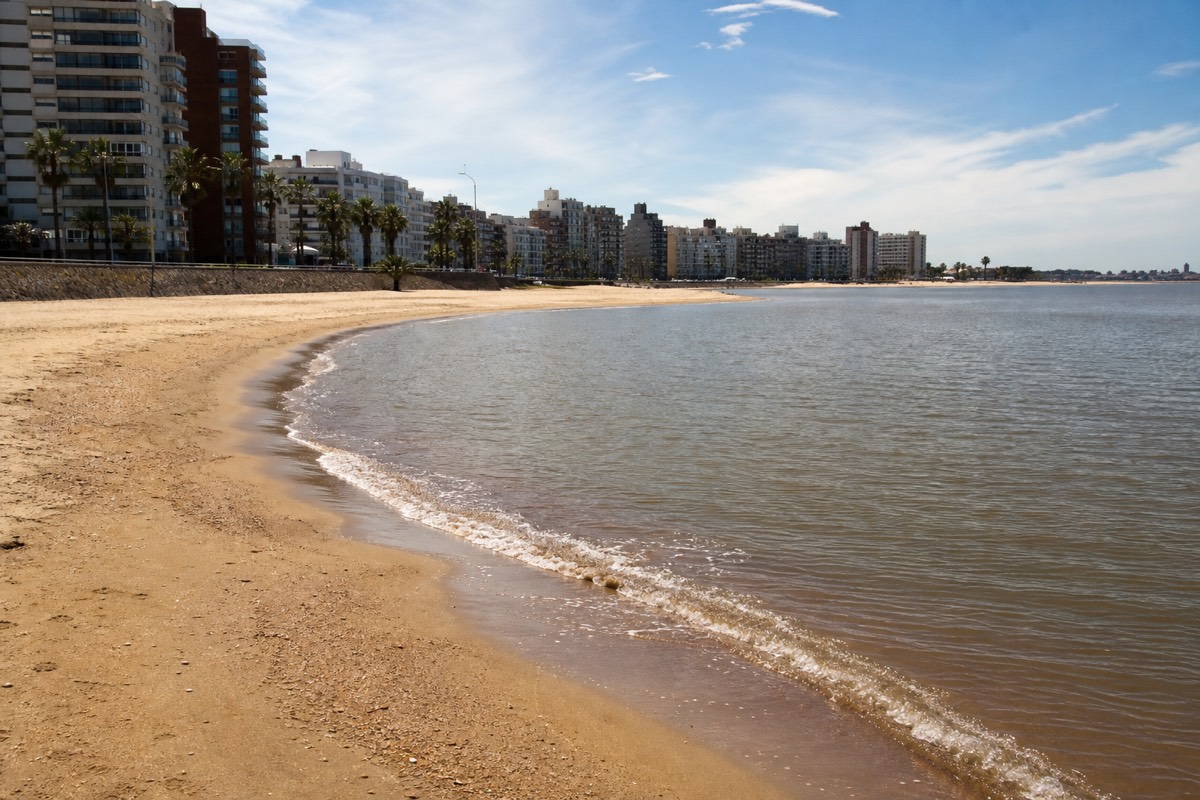
Pocitos is the default city beach: golden sand, a boardwalk, lifeguards and a full crescent of apartment towers behind it. Carrasco is the upscale eastern choice with white sand and tree-lined avenues. Ramirez is the closest to the centre, Malvin and Buceo are the local family beaches, and Punta Gorda has the best views.
| Beach | Where it sits | Character | Best for |
|---|---|---|---|
| Playa Ramirez | Below Parque Rodo, closest to Centro | Busy, urban, easy to reach on foot from downtown | A quick swim without leaving the city core |
| Playa Pocitos | Pocitos, about 4 km east of Ciudad Vieja | Lively golden-sand crescent with a boardwalk and lifeguards | The classic Montevideo beach day and people watching |
| Playa Buceo | East of Pocitos, beside the yacht harbour | Calmer, sheltered, boats in view | Families and a quieter swim |
| Playa Malvin | Malvin, mid-way along the eastern stretch | Wide, residential, popular with locals rather than visitors | Seeing how Montevideo actually spends a Sunday |
| Punta Gorda | The rocky headland before Carrasco | Cliffs, small coves, panoramic viewpoints | Sunset photographs and a walk rather than a swim |
| Playa Carrasco | Carrasco, the eastern residential district | White sand, wide avenues, notable architecture, parks | An upscale beach afternoon with a long lunch attached |
If you have one beach afternoon and no car, take Pocitos. It is the most connected, has the most life around it, and puts you within a short walk of dozens of restaurants when you have had enough sun. The sand is genuinely good and the crescent shape makes it photogenic in a way the flatter eastern beaches are not.
If you have a car, a taxi budget or a full day, go east. Carrasco is an upscale seaside residential neighbourhood roughly 20 to 30 minutes from the centre, with white sand, wide streets, parks and the kind of early twentieth-century houses that explain why it developed as a resort suburb. It is quieter, greener and more expensive, and it pairs naturally with a lunch in the neighbourhood rather than a rush back downtown.
Is The Water Clean Enough To Swim In?
Usually yes, sometimes no. Pocitos and the other city beaches are used for swimming all summer and have lifeguards in season, but water quality varies and elevated bacteria levels are reported at some beaches at some times. Check the municipal beach status before you swim, particularly after heavy rain.
Two things confuse first-time visitors. The first is colour. The Rio de la Plata is one of the widest river mouths on earth and it carries an enormous sediment load, so the water reads brown or khaki rather than blue. That is silt, not sewage, and it is the normal condition of this coast. Travellers arriving with a Caribbean mental image are routinely disappointed for entirely the wrong reason.
The second is variability. Because these are urban beaches at a river mouth, run-off after storms can push bacteria counts up temporarily, and monitoring reports do occasionally flag elevated levels. The city posts beach status information during the season and lifeguards fly flags at the guarded beaches. The practical rule most residents follow is simple: do not swim in the day or two after heavy rain, and if the flag says no, believe it.
Further east, the water gets progressively clearer and saltier as you approach the Atlantic, which is part of why Carrasco and the coast beyond it are considered the better swimming. If pristine water is your priority rather than city convenience, the beach towns along the coast east of Montevideo are the honest answer, and our guide to Atlantic coast day trips covers how to reach them.
No sightseeing tour verifies swimming conditions or provides permission to swim. Use the beach-condition guidance above for the actual day.
How Long Does It Take To Walk Or Cycle The Whole Rambla?
At a steady walking pace of about 5 km/h, the full 22.2 kilometres takes roughly four and a half hours without stops, which almost nobody does in one go. On a bike it is closer to an hour and a half of moving time. Most visitors walk a two to four kilometre section and use wheels for the rest.
| How to cover it | Realistic time for the full length | Indicative cost | Trade-off |
|---|---|---|---|
| Walking | About 4.5 hours of moving time, realistically a full day with stops | Free | Best for detail and photographs, punishing in summer heat with little shade |
| Running | Around 2 to 2.5 hours for a fit runner | Free | The promenade is flat and continuous, which is why it is full of runners at dawn and dusk |
| Guided electric bike tour | About 3.5 hours covering the Rambla plus the city centre | Around $69 per person | Motor assistance removes the wind problem; small groups, fixed departure times |
| Hop-on hop-off bus | A full loop with stops at the main beaches and landmarks | Around $35 per person | Zero effort, fixed route, less contact with the promenade itself |
| City bus along the Rambla | Depends on route and traffic | Around 46 pesos with an STM card | Cheapest option by a wide margin, requires working out routes |
| Taxi or Uber between sections | Roughly 20 to 30 minutes end to end | Metered or app-quoted | Good for skipping the dull middle stretch and starting again further east |
The practical approach for a two-day trip is to walk the Pocitos crescent and the section toward Punta Carretas, which is the prettiest and most social stretch, then take wheels for the longer eastern run out toward Carrasco. Doing the whole thing on foot in one push is a physical achievement rather than a good day out.
The variable nobody warns you about is wind. This is an exposed river coast and the breeze off the water is constant, welcome in January and genuinely cold in July. It also means a walk that feels easy heading east can feel twice as hard coming back.
What Is The Best Way To See The Whole Rambla In One Go?
An electric bike is the format that suits this promenade best. It covers the distance the Rambla actually demands, keeps you on the waterfront rather than in traffic, and the motor cancels out the headwind that makes cycling here harder than the flat profile suggests.
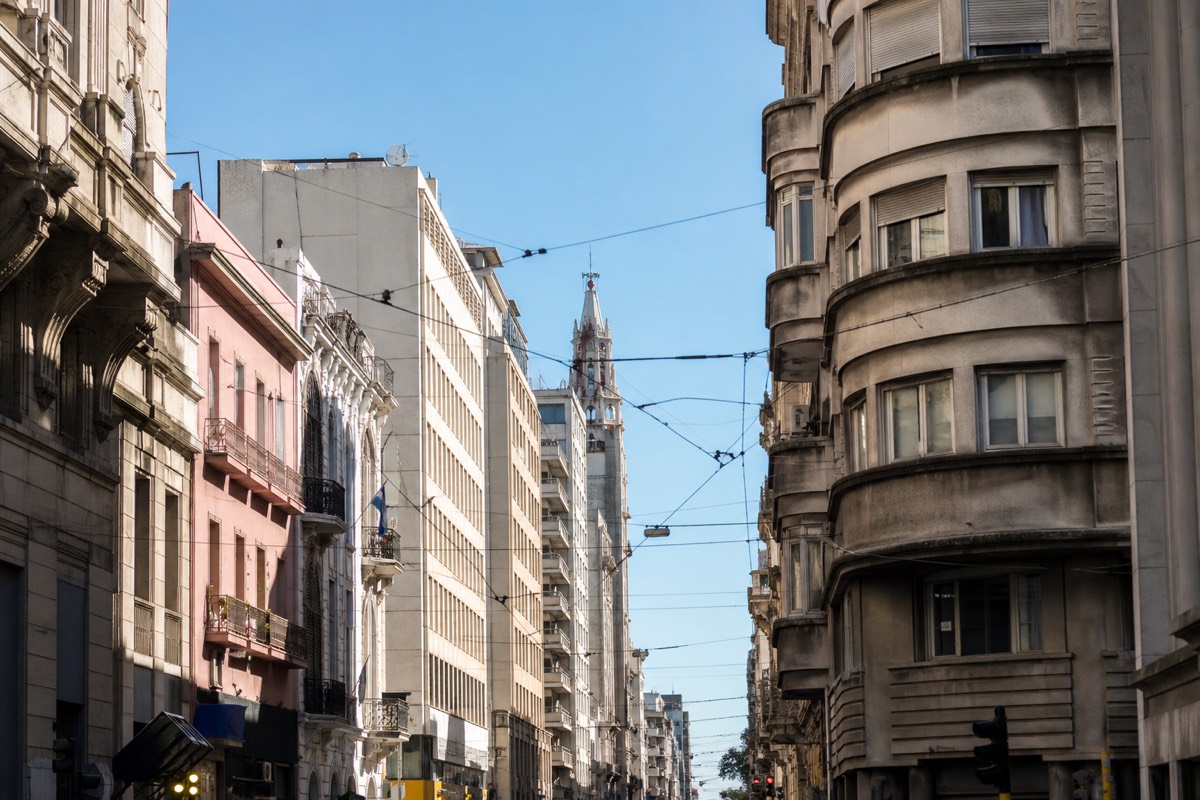
The guided e-bike tour starts in Pocitos and runs about three and a half hours, using the Luis Alberto de Herrera bike path before looping through Parque Batlle past the Centenario Stadium and the Monumento a la Carreta, then down 18 de Julio to Plaza Independencia, along the Sarandi pedestrian street to Plaza Matriz and the Solis Theatre, and finally back onto the Rambla to the Montevideo sign. Groups are capped at ten and the guides run an intercom system so you can hear the commentary while riding.
The hop-on hop-off bus is a vehicle-based alternative to cycling, with stops where you can get off and continue later. Check the operating hours, last bus and access requirements before using it for a short cruise call or a traveler with limited mobility; a one-day ticket does not guarantee every connection fits.
For a broader orientation that includes the Rambla without being built around it, the half-day city sightseeing tour runs about 3.5 hours in a small group of up to 16, with door-to-door pickup, stops at Plaza Independencia, the Agricultural Market, Parque Batlle and the Centenario Stadium, and a Rambla photo stop at the Montevideo sign in Pocitos before finishing at Mercado del Puerto.
What Is There To Do Along The Rambla Besides Swim?
The Rambla's main activity is sitting on it. Mate drinking at sunset, running, fishing off the wall, beach volleyball, dog walking and the slow evening promenade are what fill it. The built attractions along the way are a bonus rather than the point.
Mate first, because you cannot miss it. Uruguayans carry a gourd in one hand and a thermos tucked under the opposite arm, and the Rambla wall at golden hour is the national living room. It is a shared drink passed around a group in sequence, which makes it a social ritual rather than a beverage. Nobody will mind you watching, and if you are offered a sip, take it and hand it back to the person pouring.
Fishing is the other constant. Rods are propped against the wall at all hours and the catch is genuinely local rather than performative. Along the beaches you will find volleyball and football on the sand in summer, outdoor gym equipment at intervals, and kiosks selling drinks and snacks in season.
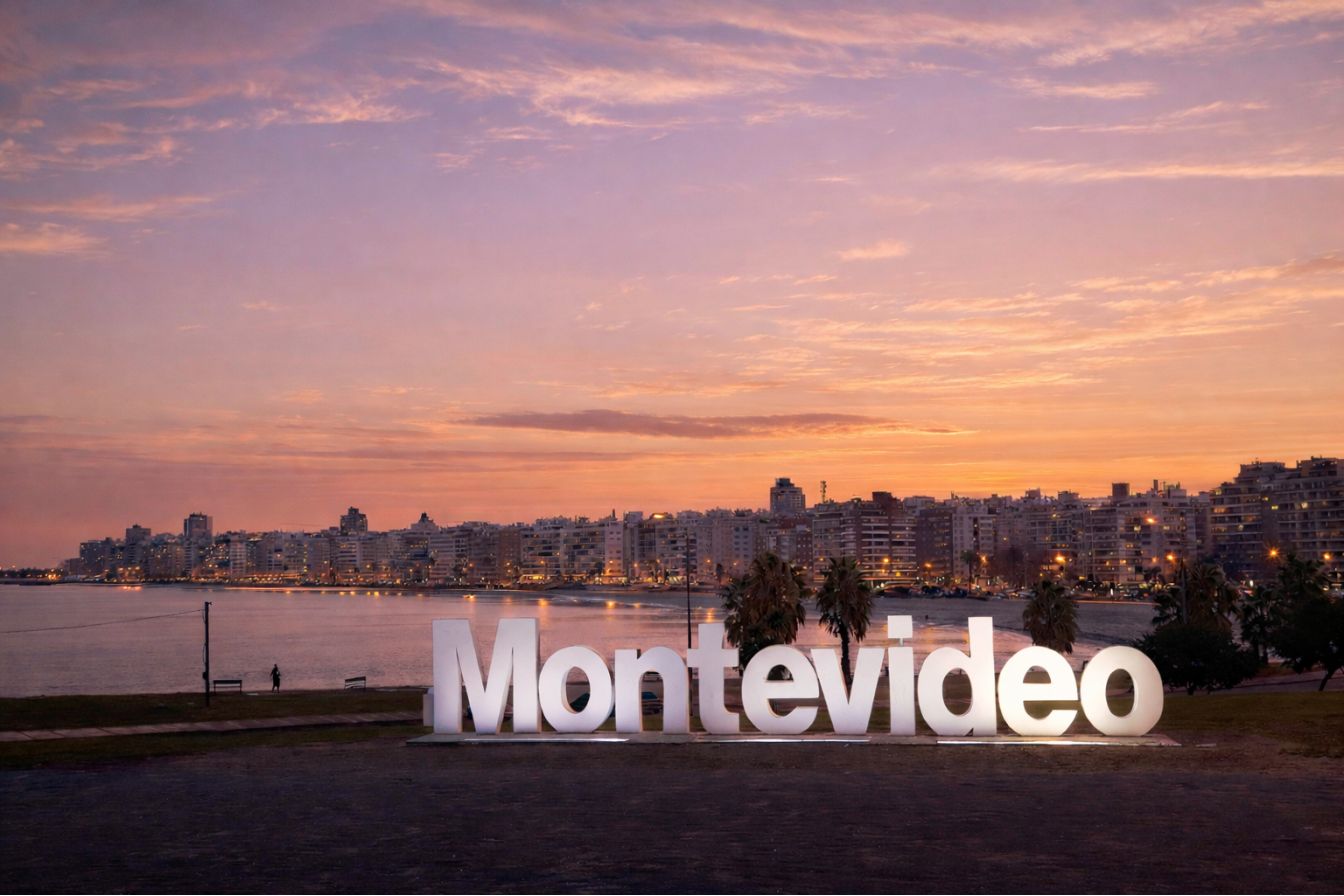
The landmark stops worth building a walk around include the Montevideo letters sign at Pocitos, the Punta Carretas headland and lighthouse, the yacht harbour at Buceo, the cliffs and coves of Punta Gorda, and Parque Rodo where the promenade meets the city's main park with its lake and funfair. Further west the Rambla runs past the port and toward the Cerro, the hill with the fortress that gives the city its name and its best long view back over the bay.
Which Stretch Of The Rambla Suits Which Traveller?
Short on time and staying downtown: Parque Rodo to Punta Carretas. Want the classic beach afternoon: Pocitos. Travelling with children: Buceo or Malvin. Chasing sunset photographs: Punta Gorda. Want quiet, greenery and a long lunch: Carrasco.
Cruise passengers deserve a specific answer, because the port sits at the western end and the good beaches sit east. With four to six hours ashore, the Rambla is reachable but the beach is a poor use of the time compared with Ciudad Vieja and a city loop. Our cruise port guide works through what actually fits in a port day, and the related question of whether Montevideo is walkable from the cruise port is answered there in detail.
Runners and cyclists should skip everything above and simply start at whichever end their hotel is nearest. The surface is continuous, the profile is flat, and the only genuine hazards are the wind and the lack of shade. Early morning is the best window in summer.
Much of the promenade is broad and level, while access down to the sand is a separate consideration. Vehicle tours can show parts of the waterfront, but access varies by product. The regular half-day city tour is not wheelchair accessible. The private city tour accepts folding wheelchairs, with a larger vehicle and extra cost needed for a non-folding chair; confirm your requirements before booking.
When Is The Best Time Of Day And Year For The Rambla?
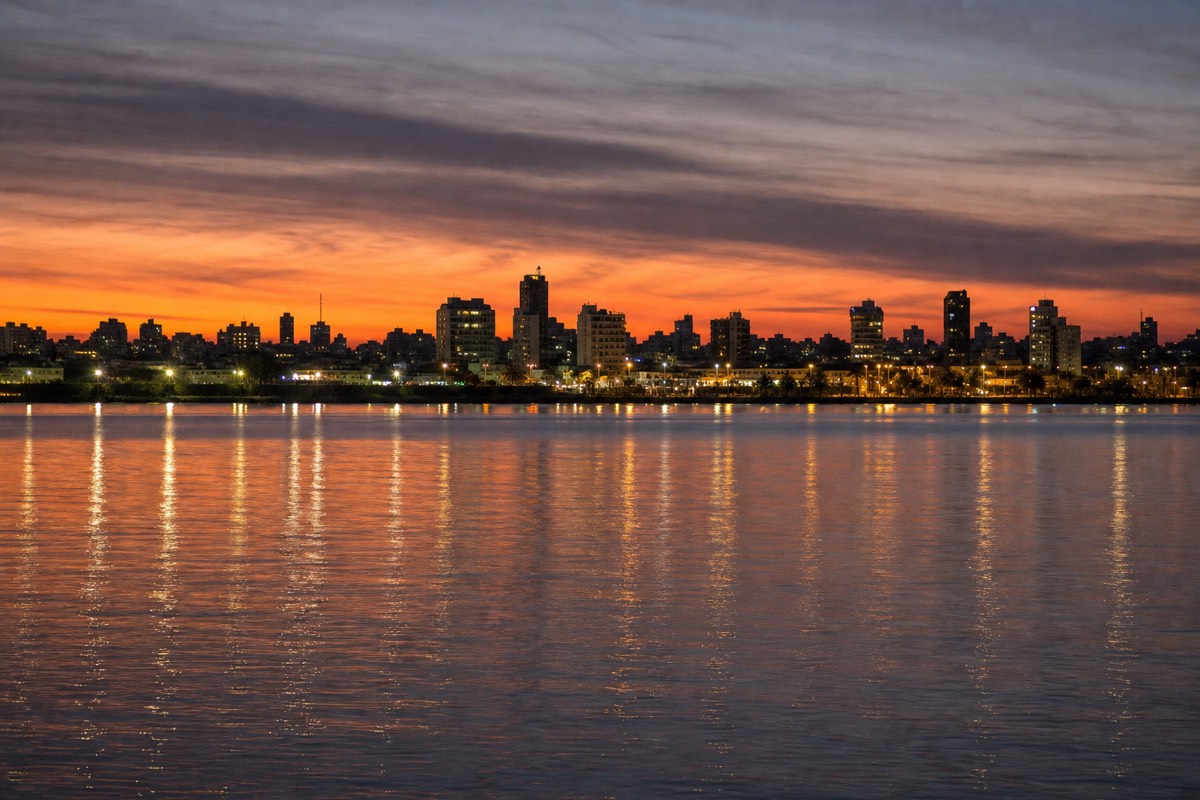
Late afternoon into sunset, every time. The Rambla faces roughly south and west over the river, the light goes gold on the apartment blocks, and the mate crowd comes out. For the beaches themselves, the Uruguayan summer from December to March is the swimming season.
Summer is when the Rambla is at full volume: the beaches fill, the kiosks open, the volleyball nets go up and the promenade stays busy well past dark. January is peak, and it is also the month when many montevideanos leave for the coast east of the city, which gives the capital a strange half-empty energy in some neighbourhoods while the beaches stay lively.
Autumn, from March into May, is arguably the better walking season. The light is excellent, the temperature is comfortable for covering distance on foot, and the promenade belongs to residents again. Winter is cold, windy and dramatic rather than pleasant, and while nobody swims, the Rambla still fills with walkers on a bright Sunday afternoon.
One practical note that applies year round: there is almost no shade anywhere along the promenade. Hat, water and sunscreen are not optional in summer, and the river breeze will hide how much sun you are taking. Our guide to the best time to visit breaks the whole year down month by month.
Where Should You Stay If You Want The Rambla On Your Doorstep?
Pocitos is the best all-round base: beach, promenade, restaurants and buses in one walkable neighbourhood. Punta Carretas is slightly quieter and more polished. Ciudad Vieja puts you next to the historic sights but the waterfront there is port rather than beach, and Carrasco is beautiful but far from everything else.
The question of where to sleep is really a question about what you want to walk to. Staying in Pocitos means the sand is at the end of your street, the Rambla is your evening walk, and you can reach Ciudad Vieja in about 20 minutes by bus or a short ride. For a two or three-night trip it removes almost all transport friction.
Ciudad Vieja and Centro suit visitors whose priority is museums, architecture and the old town, and who treat the beach as an optional extra. The waterfront on that side of the city is working port and rocky shoreline rather than swimming beach, so a beach day means travelling east regardless. The trade-off is that you wake up inside the historic core, which has its own strong argument. Our Ciudad Vieja guide sets out what is actually there.
Carrasco is the choice for a quiet, green, upscale stay with a genuinely lovely white-sand beach, and it makes sense if you are arriving late or leaving early, since Carrasco International Airport is close by. The cost is time: you will spend 20 to 30 minutes each way whenever you want the city centre. Working out how many nights you need in each is easier once you have read how many days Montevideo deserves.
What Should You Take To A Montevideo Beach?
Sunscreen, a hat, water, a towel, some cash in pesos for the kiosks, and something to weigh down your towel because the wind off the river is relentless. Shade is the one thing the city beaches do not supply, so bring your own if you plan to stay for hours.
Cash matters more here than in restaurants. Cards are widely accepted across Montevideo's tourist areas, but beach kiosks, ice cream sellers and small vendors are exactly the category where a card can fail you. A few hundred pesos in small notes covers drinks and snacks for a day, and the peso traded at roughly 40 to the US dollar in August 2026, though you should check the current rate before changing money.
If you want to blend in properly, the full local kit is a mate gourd, a bag of yerba, a thermos of hot water and a folding chair. Thermoses are sold in every supermarket and the tourist shops in Ciudad Vieja sell perfectly good starter mate sets. Nobody expects a visitor to arrive with one, and everybody notices approvingly if you do.
Leave the expensive things in the hotel. The city beaches are ordinary urban beaches with ordinary urban risks, and the simplest precaution is not to give anyone the opportunity while you are in the water. Beyond that, the practicalities of getting there, paying for things and staying connected are covered in our practical Montevideo travel guide.
A beach packing decision does not need a booking. Keep the water, sun, wind and belongings advice above regardless of your sightseeing plans.
What Does A Perfect Rambla Day Look Like?
Morning walk from Parque Rodo to Pocitos, swim and lunch at the beach, an afternoon on wheels heading east to Punta Gorda, then back to the Pocitos crescent for sunset with a thermos. That covers the best of the promenade without attempting all 22 kilometres.
Start around nine while it is still cool. Walking east from Parque Rodo takes you around the Punta Carretas headland with the lighthouse, past the rocks where the fishermen set up, and into the Pocitos crescent in roughly an hour at an unhurried pace. Stop for coffee somewhere on the boardwalk and watch the beach fill.
Swim mid-morning before the sun is at its worst, then take a long lunch in Pocitos. This is the neighbourhood with the highest density of everyday restaurants in the city, so you can eat well without booking anything, and the Montevideo restaurant guide covers what to order.
In the afternoon, take a bus, a taxi or a bike east. Buceo's yacht harbour, Malvin's wide sands and the cliffs of Punta Gorda make a good sequence, and Carrasco is the natural end point if you want a second, quieter beach. Then head back west for sunset, because the light over the river from the Pocitos side is the image most people leave with. Finish with a chivito once the sun is down, which in a Montevideo summer means somewhere past nine.
What Mistakes Do First-timers Make On The Rambla?
Underestimating the distance, underestimating the sun, expecting blue water, and leaving valuables on the sand while swimming. Those four cover most of the bad Rambla days people have.
Distance is the big one. The Rambla looks like a stroll on a map and it is 22.2 kilometres end to end. People set off from Ciudad Vieja intending to walk to Carrasco, get as far as Buceo, and discover that the return leg is into the wind with no shade. Break it into sections and use wheels between them.
The sun catches people out because the constant sea breeze masks it. There is essentially no shade on the promenade and very little on the beaches, so bring a hat and reapply sunscreen far more often than instinct suggests. Water is easy to find at kiosks in summer and much harder in the off season.
On valuables, the usual city rules apply rather than anything Rambla-specific: do not leave a phone and a wallet on a towel while you swim, and be a little more careful after dark on the quieter western stretches than on the busy Pocitos crescent. Our honest assessment of the risk sits in is Montevideo safe, and the neighbourhood detail is in where to avoid in Montevideo.
Finally, do not treat the Rambla as scenery to be photographed and left. The reason it works is that it is used, constantly, by everyone in the city. Sit on the wall for half an hour with a coffee or a mate and you will understand more about Montevideo than a museum will tell you. If you want it guided, our Montevideo tour collection lists the bike, bus and small-group options that follow the waterfront.