How Many Days Do You Need In Montevideo?
Montevideo's landmarks are not stacked in one photogenic square. The old town, the stadium where the 1930 World Cup final was played and the beach neighbourhoods sit kilometres apart, which is why the day count question has a real answer rather than a vague one.
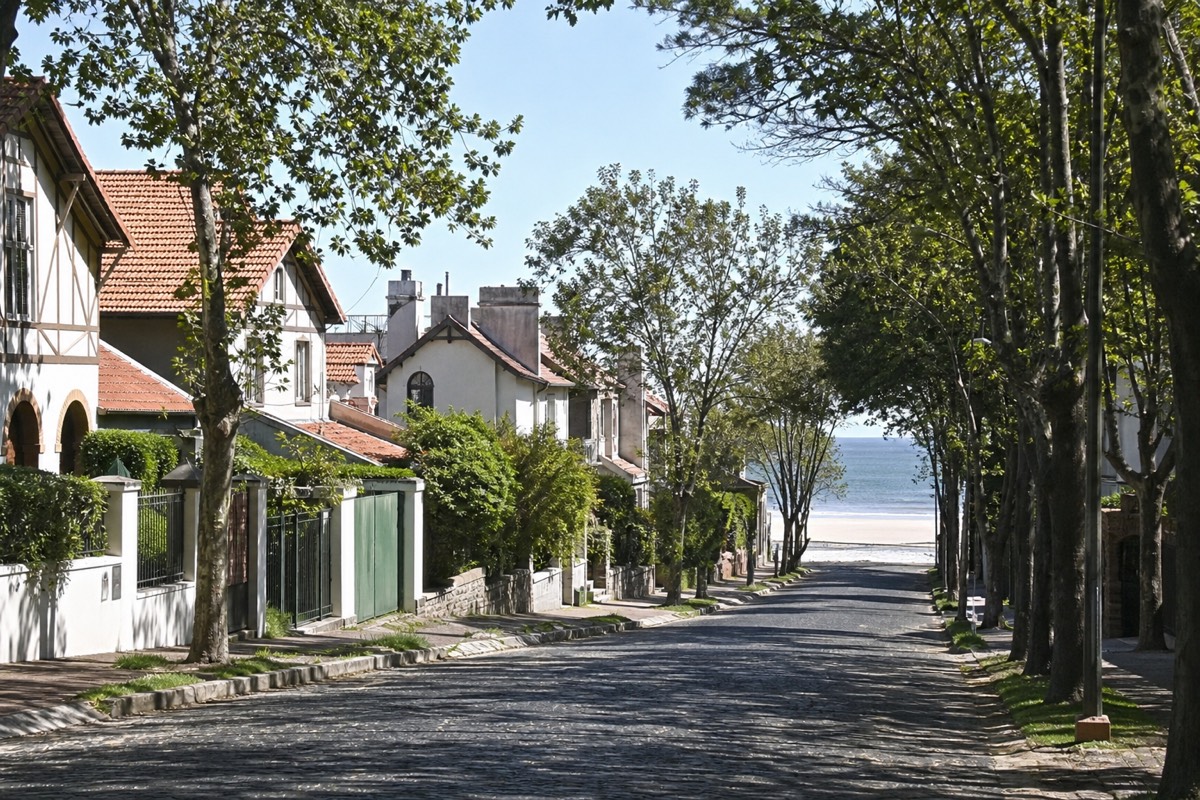
Two full days is the right answer for most visitors. That covers Ciudad Vieja, Plaza Independencia, the Mercado del Puerto, a long stretch of the Rambla and one beach neighbourhood, without rushing any of it. Add a third day if you want Uruguayan wine country or a trip to Colonia del Sacramento, and a fourth if the Atlantic coast is on your list.
Two days gives the city room to breathe. A guided first morning can leave the second day free for the waterfront.
Booking Shortlist: Half-Day Montevideo City Tour. Link the old town, Agricultural Market and Pocitos waterfront in one guided loop.
One day works only under pressure, usually a cruise call or a ferry turnaround from Buenos Aires. It is enough for the historic core and one meal, and nothing else. Anything beyond four days starts to be about living in the city rather than seeing it, which is a perfectly good reason to stay, just a different one.
What Realistically Fits Into One Day?
A single day in Montevideo means Ciudad Vieja on foot, Plaza Independencia and Palacio Salvo, lunch among the grills at the Mercado del Puerto, and one short hop out to the Rambla. That is the honest maximum.
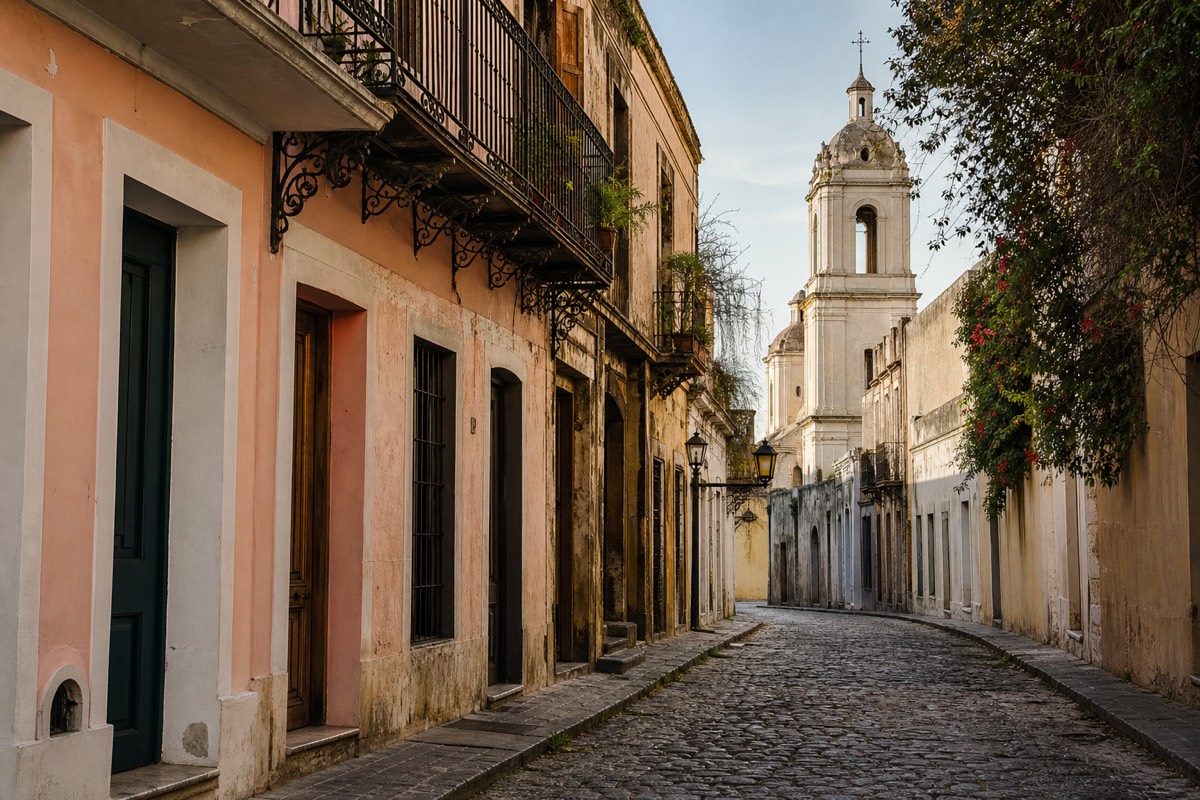
The old town is compact and walkable, which helps. Teatro Solís, open since 1856, sits on the eastern edge of it. The Mercado del Puerto, running since 1868, sits at the western end near the port. Between them you have roughly a kilometre of colonial grid, a cathedral, Plaza Matriz and a dense run of nineteenth-century facades.
What one day cannot include is Parque Batlle, the Centenario Stadium, Carrasco or any of the wineries in Canelones. If your day is fixed and you want the widest possible sweep, a vehicle-based loop beats walking. The hop-on hop-off bus runs from around $35 and lets you cover the distance between districts without solving transport yourself.
Why Two Days Is The Sweet Spot
The second day is where Montevideo stops being a list of buildings. It buys you the Rambla at sunset, a full afternoon in Pocitos or Punta Carretas, and time to eat properly rather than efficiently.
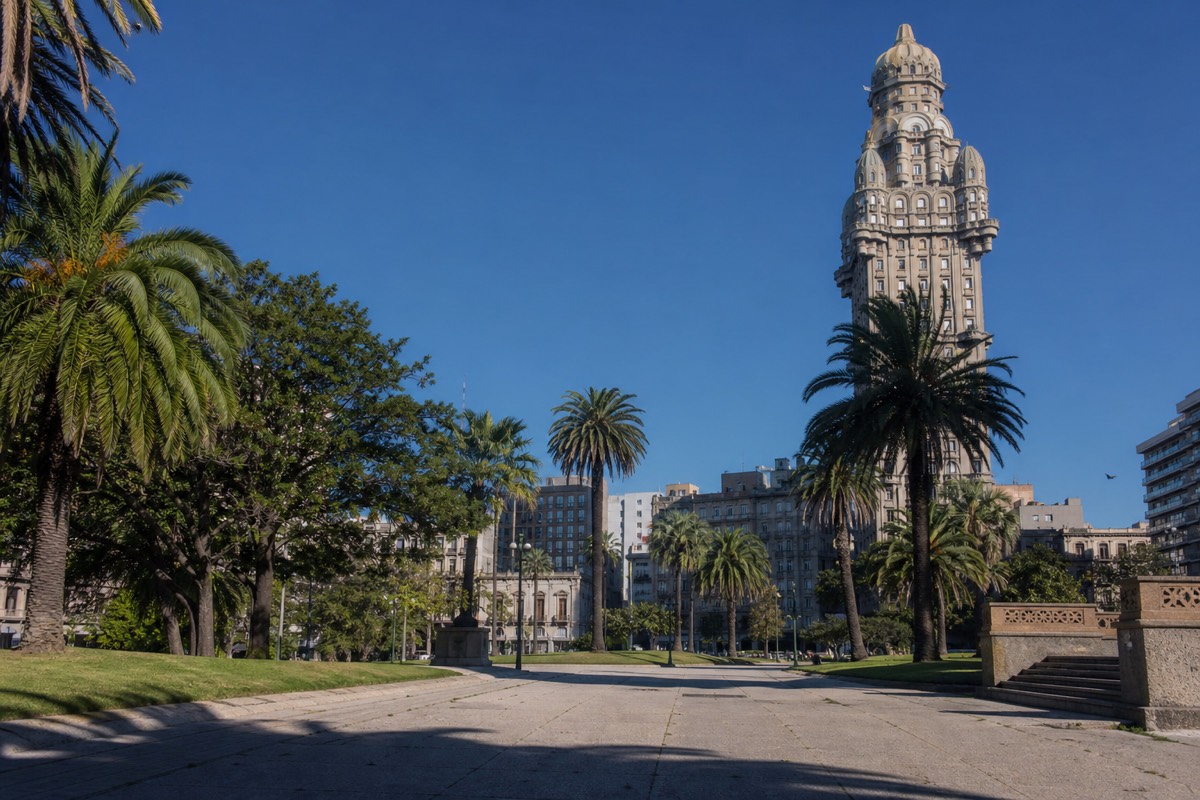
A workable split: day one for the historic core and the port market, day two heading east along the water. The Rambla runs more than 22 kilometres without interruption, and the stretch from Parque Rodó through Pocitos to Punta Carretas is the part most visitors remember. Two days also gives you a margin for weather, which matters on a river coast where a grey morning often clears by three.
Front-loading a guided orientation on morning one pays for itself. The half-day city sightseeing tour takes in eleven stops including the Legislative Palace, Parque Batlle, the Centenario Stadium and the Montevideo sign at Pocitos, for around $35, and it hands you a mental map for the rest of the stay. Our Montevideo itinerary guide lays out the two-day version hour by hour.
When Does A Third Or Fourth Day Make Sense?
Add a third day if you want to leave the city limits. Uruguayan wine country in Canelones and the UNESCO-listed town of Colonia del Sacramento are both full-day commitments, and neither compresses well.
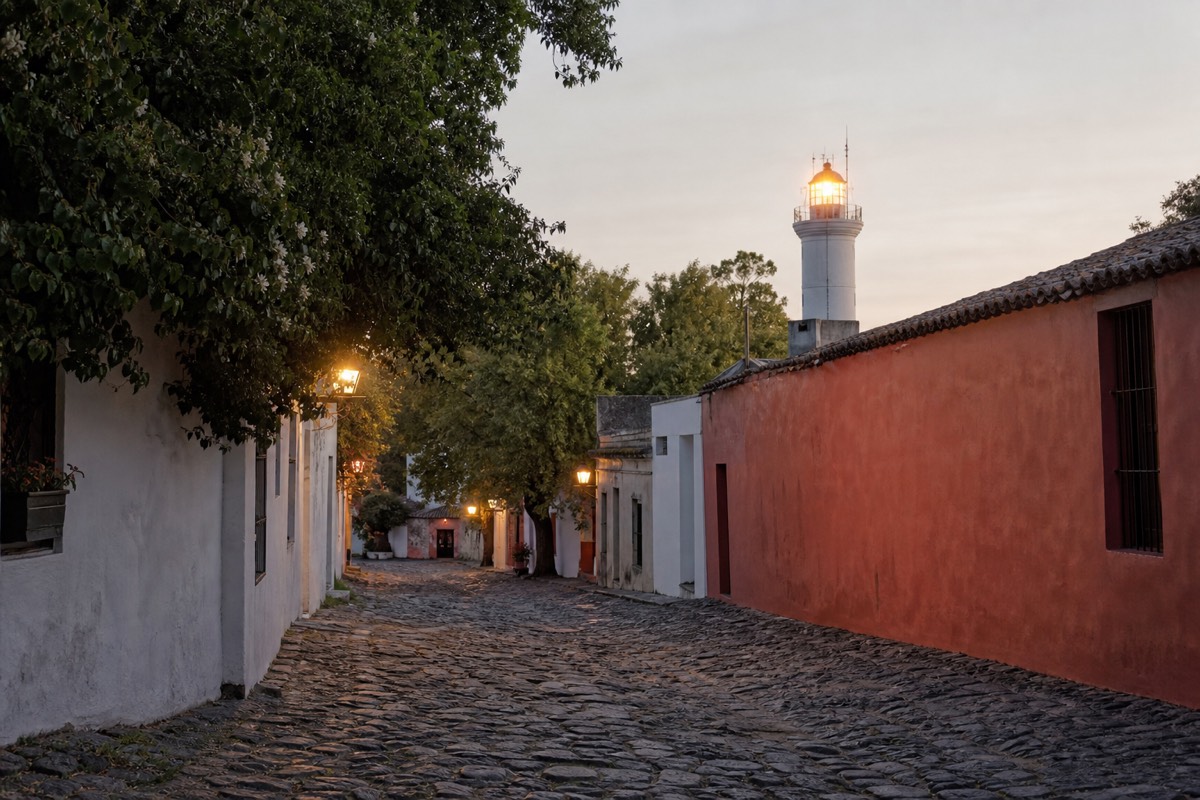
Colonia was founded by the Portuguese in 1680 and has been a UNESCO World Heritage site since 1995. Getting there and back from Montevideo, with enough time to walk the historic quarter, runs to a nine-hour day. The full-day Colonia tour from Montevideo handles the driving and the guiding for around $60, including a stop at Granja Arenas on the way back.
Wine is the other strong use of a third day. Uruguay's signature grape is Tannat, grown mainly in Canelones just outside the capital, and the estates there are small, family-run and genuinely welcoming to visitors. A fourth day opens up the Atlantic coast east of the city, which we cover in our Atlantic coast day trips guide.
Where Should You Base Yourself For Each Length?
For one or two days, stay in or beside Ciudad Vieja so the historic core is on your doorstep. For three or more, Pocitos or Punta Carretas gives you the waterfront, the restaurants and a quieter night.
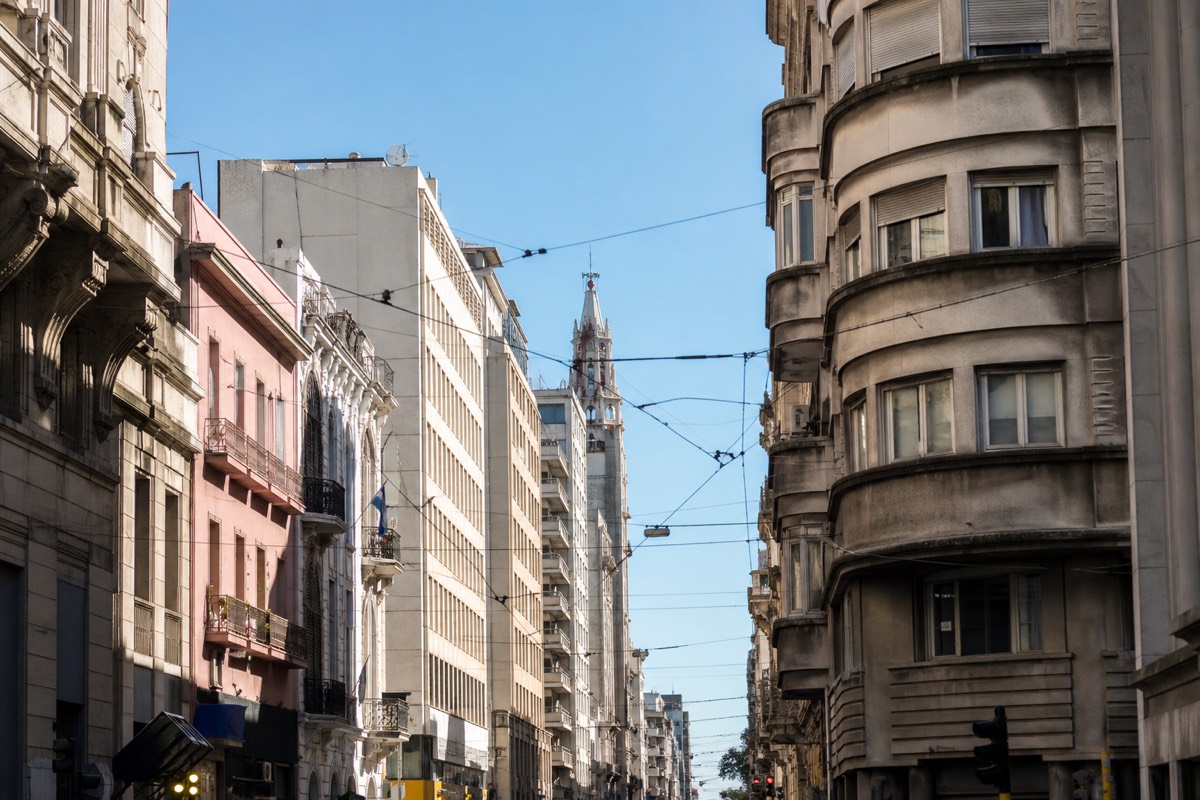
The trade-off is straightforward. Ciudad Vieja puts you inside the old town during the hours it is at its best, and saves you a taxi each morning. It also empties out after the offices close, and foreign advisories suggest not walking downtown or near the port alone at night, so evenings usually mean a short ride each way.
Pocitos and Punta Carretas run the other way: a ten to fifteen minute ride from the old town, but with the beach, the Rambla and a dense grid of restaurants right where you sleep. On a longer stay that matters more, because you spend more evenings than mornings in your own neighbourhood. Carrasco is the third option, leafy and residential, and mainly makes sense if you have an early flight from the airport around 20 kilometres out.
Does The Season Change How Long You Need?
Yes. Summer days are long and the waterfront stays busy until late, so two days go further. In winter you either add a day or accept a more indoor trip.
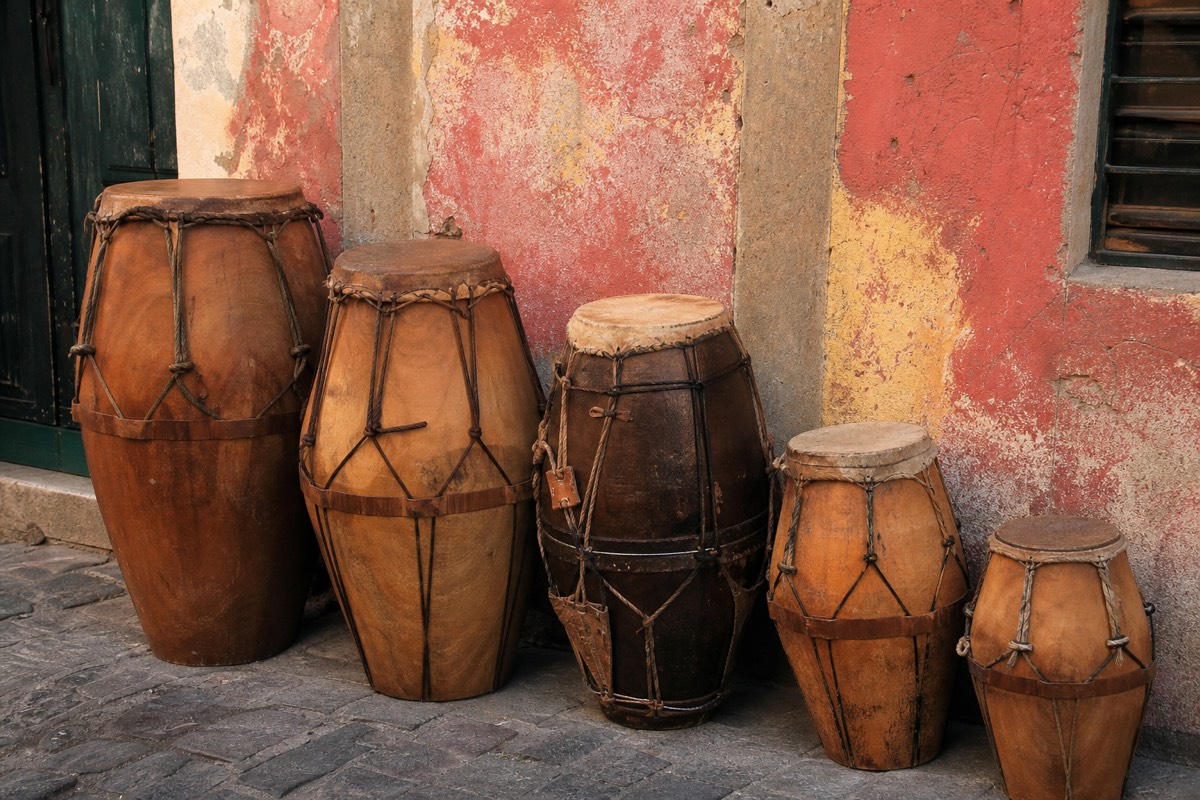
Between December and February the light holds past eight in the evening, which effectively adds usable hours to every day. February also brings carnival, considered the longest carnival season in the world at roughly 40 days, and the candombe drumming parades are worth planning around rather than stumbling into. June to August means short days, rain and a much quieter city, so museums, theatres and the covered markets carry more of the load. Our best time to visit guide goes through the trade-offs month by month.
Whatever length you land on, book the fixed-time things first and leave the walking flexible. You can see what runs on which days across our Montevideo tours and day trips, and prices shift, so check the live listing rather than budgeting from a number you read once.