Candombe And Carnival In Montevideo
On a Sunday evening in Barrio Sur, you hear it before you see it: three sizes of drum, dozens of them, moving up the street in a block of sound you feel through the pavement. Candombe is not a show put on for visitors. It is a neighbourhood walking, and it has been doing so for a very long time.
What Is Candombe, In Plain Terms?
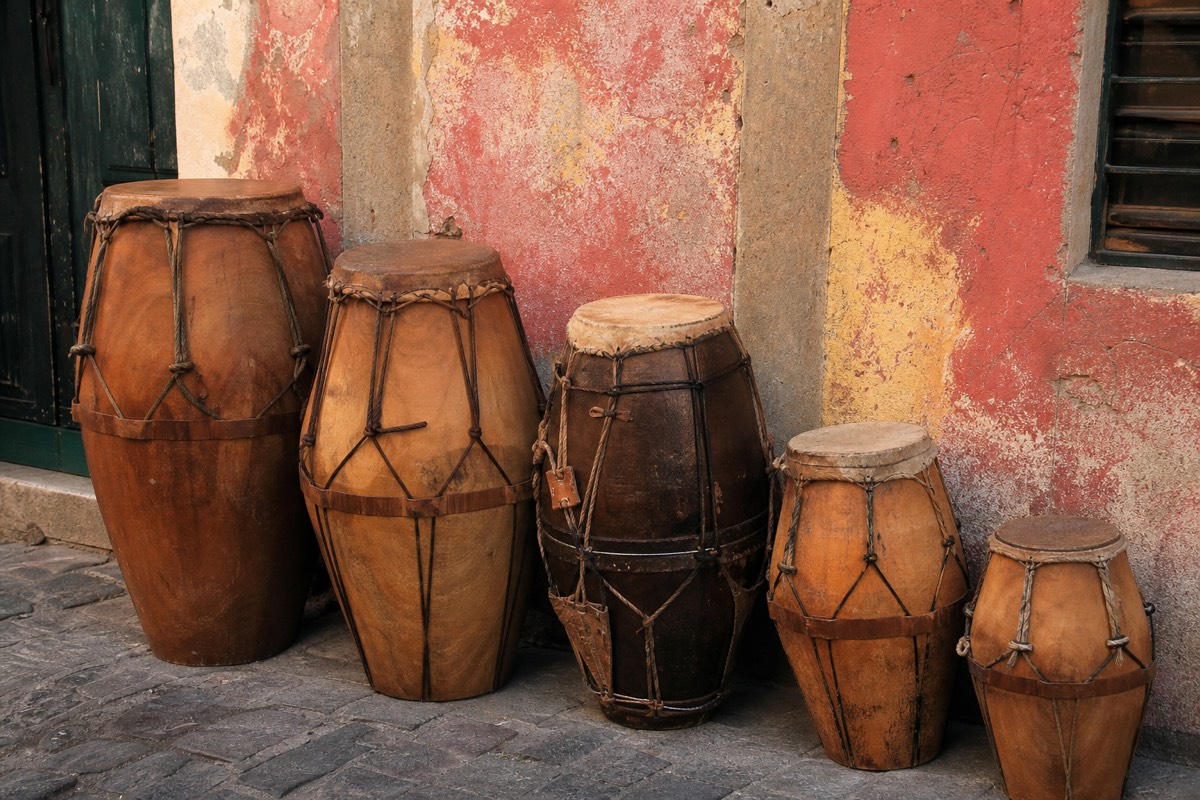
Candombe is an Afro-Uruguayan drumming tradition built around three drums of different sizes played together in a moving group called a cuerda. It is street music, performed on foot through specific Montevideo neighbourhoods, and UNESCO added it to the Representative List of the Intangible Cultural Heritage of Humanity in 2009.
Street candombe and a staged dinner show are different experiences. Keep community practice free and informal; use a performance booking when you want a scheduled evening.
Booking Shortlist: El Milongón Dinner And Show. Hear candombe and see tango and milonga on stage while dinner is served.
The immediate thing to understand is that candombe is a practice rather than a performance. Cuerdas assemble on the street, tune their drums over an open fire, and then walk, playing, along a set route through their own neighbourhood. People come out of their doorways. Children follow. Nobody sells tickets. This happens on Sundays and holidays, throughout the year, in the Barrio Sur, Palermo and Cordón districts of southern Montevideo.
It is also the backbone of the city's carnival, which is where most visitors first encounter it, in the form of the Desfile de Llamadas parade. But treating candombe as a carnival act reverses the relationship. The parade exists because the neighbourhood tradition exists, not the other way round.
What makes it distinctive musically is the interlock. Three drums, each with its own role, produce a pattern no single drummer is playing. Stand next to a cuerda and you cannot pick out an individual line. Stand half a block away and the whole thing resolves. That is not an accident of acoustics. It is the design.
Where Does Candombe Come From?
It descends from the drumming traditions of enslaved Africans brought to the Río de la Plata, largely from Bantu-speaking regions of central and southern Africa, and their descendants. It survived through the colonial period and after abolition in the 1840s, and it was sustained through the twentieth century in the tenement housing of Montevideo's southern neighbourhoods.
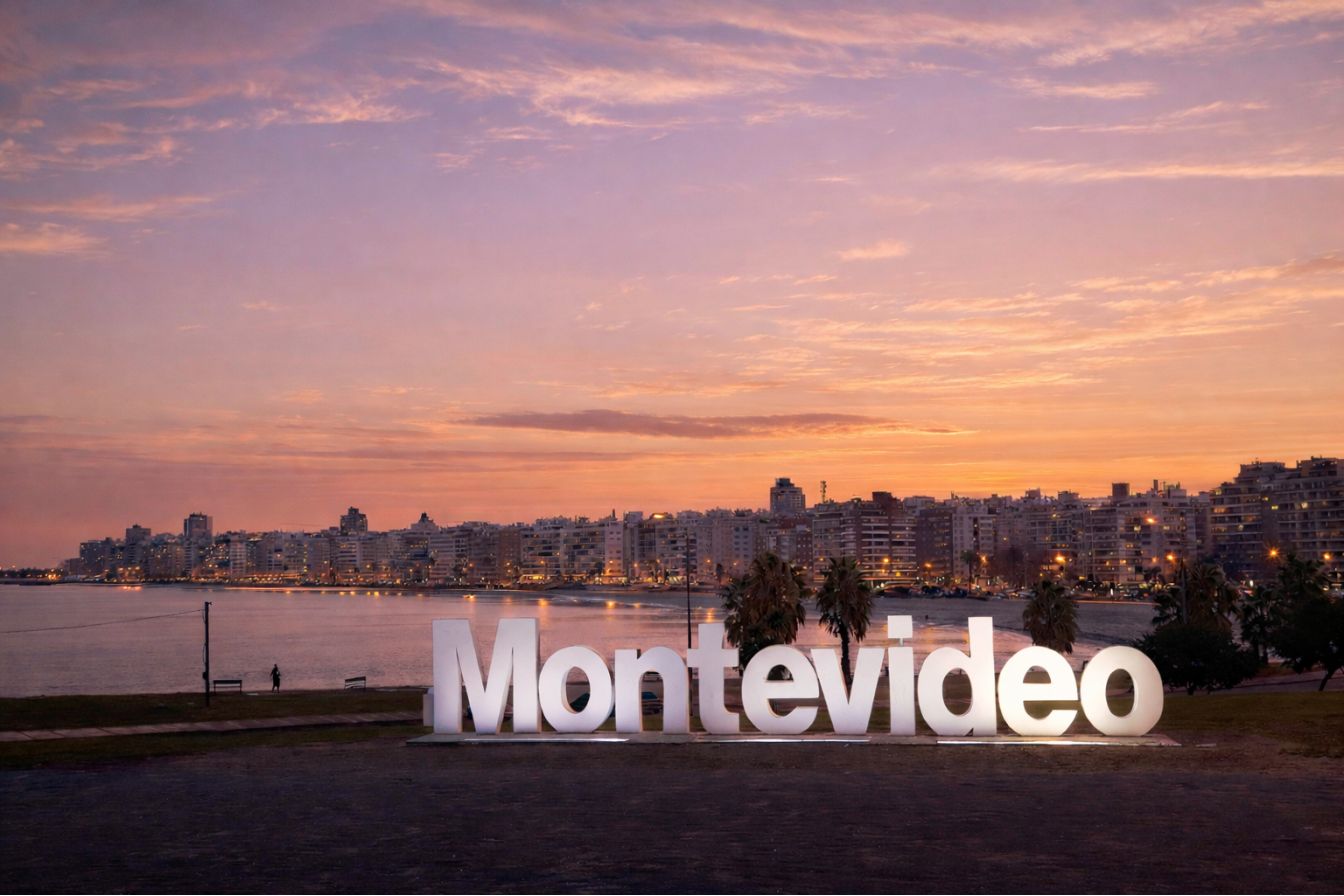
Montevideo was a slave port. That is not a comfortable sentence and it is the historical foundation of everything in this guide. Enslaved people were brought through the Río de la Plata in significant numbers during the colonial era, and Afro-descendant communities formed in the city that remained after slavery ended in Uruguay in the 1840s. The drumming that came with them, and the social organisations that carried it, are the direct ancestors of what you hear on Isla de Flores street today.
The word llamada, meaning "call", describes the practice at the centre of it. One cuerda begins playing and effectively calls the others out. Groups from different blocks converge, and the sound moves through the neighbourhood, gathering people as it goes.
The twentieth-century home of the tradition was the conventillo, the crowded tenement building. Two in particular, Mediomundo in Barrio Sur and the Ansina complex nearby, held communities where candombe was a daily rather than an occasional thing. Both were demolished in the late 1970s under Uruguay's military dictatorship, and the families living in them were dispersed across the city. The tradition survived that displacement, but it was a real rupture, and it is part of why the Sunday llamadas in those specific streets carry the weight they do.
The history of enslaved Africans and their descendants deserves context, not a promise that a dinner show reproduces that history or community life.
Why Did UNESCO List Candombe, And What Does That Mean?
UNESCO inscribed candombe and its socio-cultural space on the Representative List of the Intangible Cultural Heritage of Humanity in 2009, recognising it as a living community practice rather than a monument. The listing covers not just the drumming but the neighbourhoods, the social relationships and the transmission of the tradition between generations.

The distinction matters. Intangible heritage listings protect practices: ways of doing, playing, cooking, celebrating. The UNESCO entry for candombe is explicit that the socio-cultural space is part of what is being recognised, which is to say Barrio Sur, Palermo and Cordón as much as the drums themselves.
2009 was a notable year for Río de la Plata culture at UNESCO, because tango was inscribed the same year on a joint Argentine and Uruguayan nomination. Uruguay therefore has two listed musical traditions from the same city, one shared with its neighbour and one entirely its own.
What the listing does not do is turn candombe into a museum piece or a scheduled attraction. There is no ticket office and no official viewing platform. It remains what it was: a neighbourhood practice that outsiders are welcome to watch respectfully from the pavement.
UNESCO recognition is not a ticket or exclusive-access benefit. None of the verified bookings here provides special access to the protected tradition.
What Are The Three Drums, And How Does A Cuerda Work?
A cuerda uses three tambores: the chico, smallest and highest, which holds the pulse; the repique, mid-sized, which improvises and answers; and the piano, largest and deepest, which carries the low line. They are played with one stick and one bare hand, slung from a shoulder strap, and tuned by heating the skins over a fire before playing.
| Drum | Size and pitch | Role in the cuerda |
|---|---|---|
| Chico | Smallest, highest | Keeps the steady underlying pulse. The clock everyone else plays against. |
| Repique | Middle, mid-range | Improvises, ornaments and converses. The most technically demanding part. |
| Piano | Largest, lowest | Carries the deep bass line and anchors the whole sound. |
The fires are part of the ritual and one of the most photographed elements of a Sunday llamada. Drum skins are natural and they slacken in humidity, so before playing, the cuerda lights a fire in the street and holds the drums over it until the heads tighten and the pitch comes up. Groups gather round, drums are struck and checked, and there is a long informal warm-up before anybody walks anywhere. If you turn up to watch, arriving during the tuning is arriving at the good part.
A cuerda can be a handful of drummers or many dozens. In a large one the sheer physical volume is the point: a wall of interlocking rhythm moving at walking pace, with the piano drums felt in the chest rather than heard.
Within a carnival comparsa, the drums are joined by dancers and by traditional characters, among them the Mama Vieja, the Gramillero and the Escobero, each with their own costume and movement. These are longstanding figures of the tradition rather than modern inventions, and they carry meanings that a visitor watching from the kerb will not fully read. That is fine. Watching without decoding everything is the normal condition of being a guest.
Where And When Can You Hear Candombe On An Ordinary Sunday?
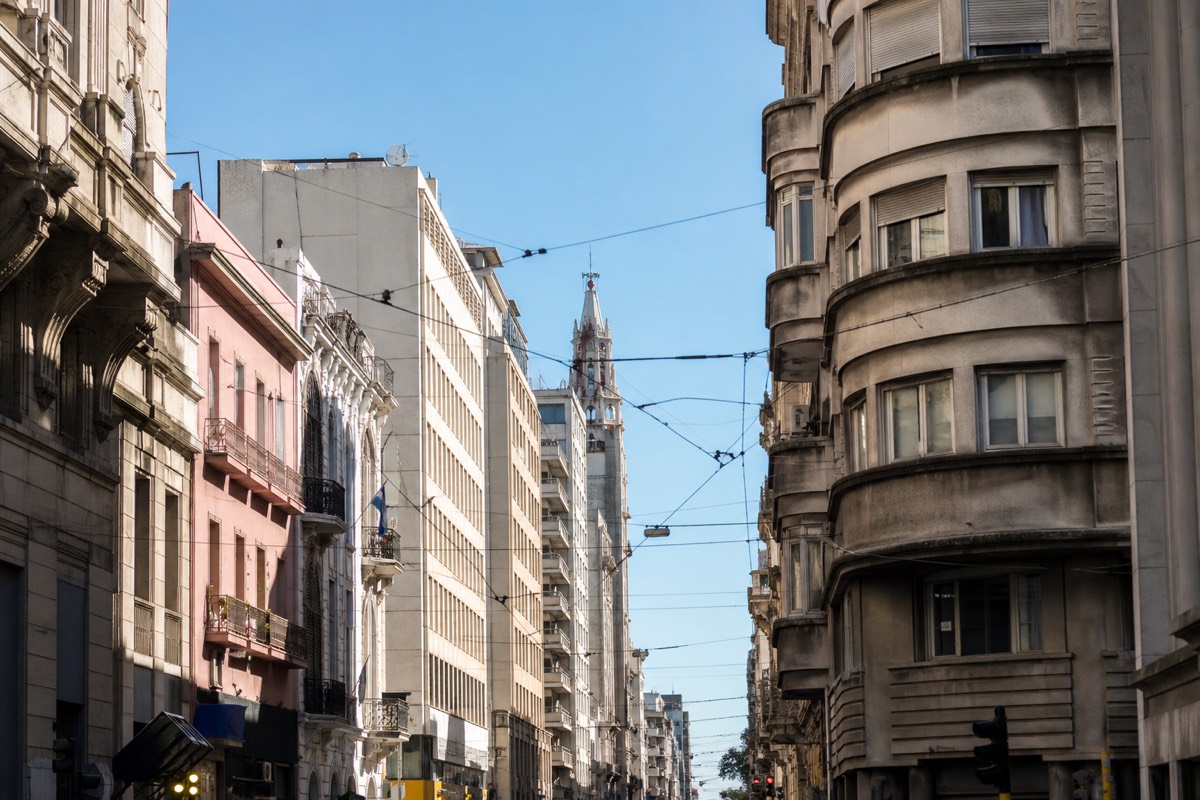
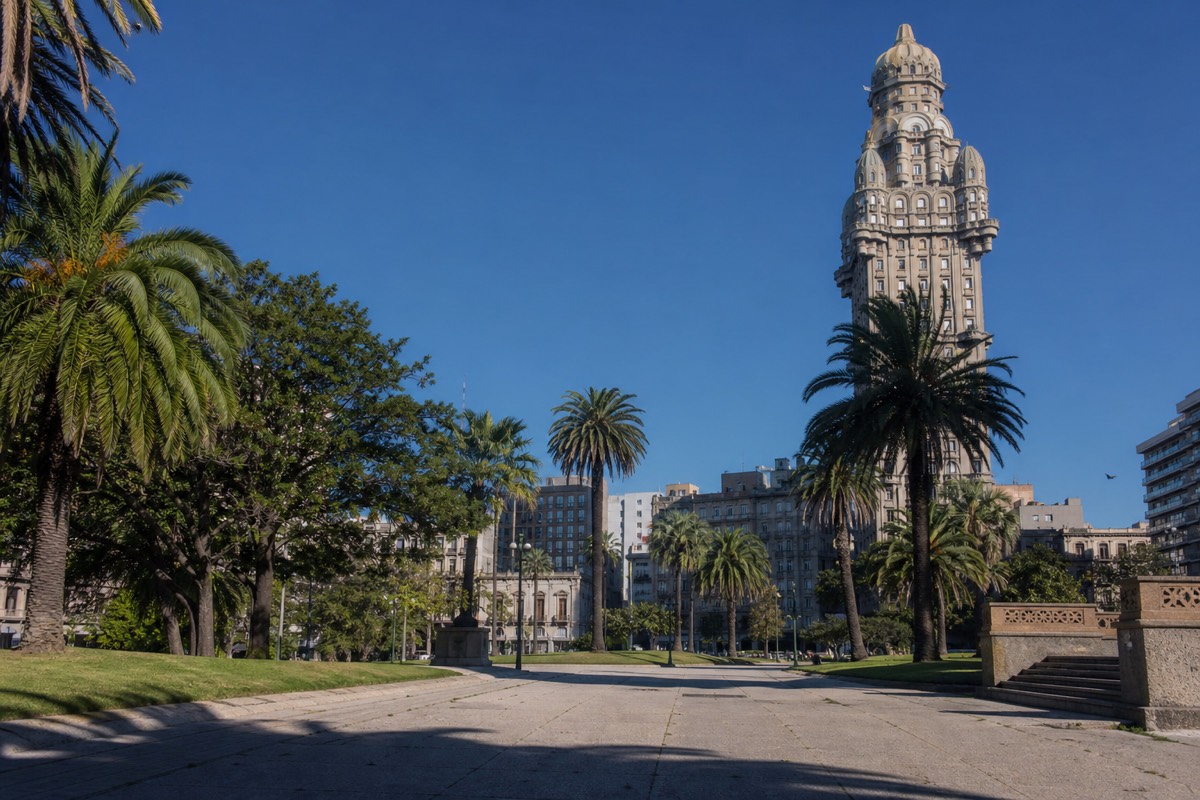
In the Barrio Sur, Palermo and Cordón neighbourhoods of southern Montevideo, on Sundays and public holidays, generally in the late afternoon and evening. These are residential streets a short distance south and east of Ciudad Vieja, and the practice happens there all year, not only during carnival.
There is no published timetable, which frustrates visitors who want to plan to the half hour. Cuerdas assemble when they assemble, usually as the afternoon cools, and the reliable method is to be in the area from late afternoon and follow the sound. In summer this runs later. In winter it runs earlier and in smaller numbers, but it does not stop.
The streets most associated with it, Isla de Flores above all, are ordinary residential blocks. The audience is largely local: neighbours on the pavement, families, people leaning out of windows. Visitors are not unusual and nobody minds them, provided the basic manners in the section below are observed.
On practical safety, these are working neighbourhoods and the usual city sense applies, particularly after dark. Go with someone, keep valuables minimal, and take a taxi or ride app back rather than walking a long way at night. Our Montevideo safety guide covers the specifics without either alarming people or being vague about them.
We will be straight about one thing: we do not currently sell a dedicated candombe tour, and this section is written to help you find the real thing yourself rather than to route you into a product. If you want a guide with you for the evening, the most flexible option is a private Montevideo tour built around your interests, which can be shaped toward the southern neighbourhoods.
Sunday neighborhood drumming is community practice. The verified dinner shows are not tickets to a Sunday cuerda or guarantees that one will pass.
How Long Is Montevideo's Carnival, And What Actually Happens?
Montevideo's carnival is considered the longest in the world, running roughly forty days from mid or late January into late February or early March. It is not one parade but a season, combining street parades, a formal competition between carnival companies, and hundreds of neighbourhood stage performances.
| Element | Roughly when | What it is | Visitor difficulty |
|---|---|---|---|
| Opening parade | Late January | The official launch, along a main city avenue | Easy. Free, on the street. |
| Desfile de Llamadas | Typically early February, over two nights | The candombe parade through Barrio Sur and Palermo | Easy to attend, hard to get a good spot late |
| Concurso Oficial | Across the whole season | The judged competition between carnival companies at the summer theatre | Ticketed. Book ahead. |
| Tablados | Across the whole season | Neighbourhood stages hosting murgas and other groups | Variable. Local knowledge helps a lot. |
The forty-day length surprises people who expect a Rio-style long weekend. Uruguayan carnival is a marathon: groups perform night after night for weeks, working through a competition that has categories, scoring and eliminations. For performers it is closer to a season of a sport than to a party.
The formal competition, the Concurso Oficial de Agrupaciones Carnavalescas, runs at the Teatro de Verano in Parque Rodó, an open-air amphitheatre near the coast. Categories include murgas, comparsas of negros y lubolos, parodistas, humoristas and revistas, each with its own conventions. Tickets are sold for these nights, and the popular ones sell out, so if your trip falls in the window, plan early and check official channels for the current schedule.
Exact dates shift each year with the carnival calendar, so treat mid or late January to late February or early March as the window and confirm specifics closer to the time. Our best time to visit guide covers how carnival season interacts with the rest of the Uruguayan summer, including the fact that it overlaps exactly with peak beach season and peak accommodation prices.
What Is The Desfile De Llamadas?
The Desfile de Llamadas is the great candombe parade of Montevideo's carnival, typically staged over two nights, in which comparsas process through the streets of Barrio Sur and Palermo. It is the single event most visitors mean when they say they want to see candombe.
The route runs through the neighbourhoods where the tradition lives, which is the whole point. Rather than pulling the drummers into a purpose-built stadium, the parade takes place on the residential streets they normally walk, with balconies and doorways full of people who live there.
Each comparsa passes in turn, dozens or hundreds strong, with its drum corps, its dancers and its traditional characters. Because the groups follow one another along a fixed route over several hours, the sound arrives in waves. It is loud, close and physically involving in a way that a seated show is not.
Practical advice for attending. Arrive early, because good vantage points fill long before the first group appears. Grandstand seating is sold along parts of the route and standing space is free but competitive. Expect crowds, expect it to run late, and arrange your way home in advance rather than assuming you will find a taxi at two in the morning in a packed neighbourhood.
Also expect not to understand everything, and let that be fine. Some of what passes is competition, some is homage, some is neighbourhood rivalry with decades behind it. You are watching a community's own event, and being a good guest at it is a better goal than decoding it.
No verified Llamadas parade ticket is included in this shortlist. A dinner-show booking does not buy parade seating or entry.
What Are Murgas And Tablados?
Murga is Uruguay's other great carnival form, and it is not candombe. It is choral, satirical musical theatre: a chorus of singers in elaborate costume and face paint, backed by a percussion trio of bass drum, snare and cymbals, performing sharp topical commentary on the year's politics and public life.
Murga is where Uruguayan carnival does its talking. The lyrics are dense, fast, topical and often politically pointed, and a strong murga performance functions as a piece of public satire. During the years of the military dictatorship, murga was one of the few channels through which criticism could reach a large audience in coded form, and that history is part of why the form is taken so seriously.
For a visitor without Spanish, murga is genuinely hard to follow, because the value is largely in the words. The music and the visual spectacle carry you some distance. The satire will mostly pass you by. That is worth knowing before you buy a ticket expecting a drumming show.
Tablados are the neighbourhood stages that host these performances across the season, set up in parks, clubs and open lots around the city. They are more informal than the Teatro de Verano competition nights and more local in feel. Finding the good ones is a matter of local knowledge, which is one of the few areas where having a Montevidean with you, on a private tour with a local guide, genuinely changes the experience.
The verified candombe/tango dinner shows are not murga or tablado tickets. Do not book them for a specific Carnival competition.
How Should A Visitor Behave At A Llamada?
Treat it as someone's neighbourhood event that you have been allowed to watch, not as a performance staged for you. Stay on the pavement and out of the drummers' path. Ask before photographing people up close. Do not touch the drums. Buy from the local stalls if there are any.
The path rule is the practical one. Cuerdas move, and they move as a block. Standing in the road for a better photograph puts you in the way of dozens of people carrying heavy drums, and it is both rude and a genuine nuisance. Watch from the side.
On photography, wide shots of a passing cuerda are unremarkable and nobody objects. Pushing a phone into a drummer's face is a different thing. The same applies with more force to the costumed characters within a comparsa, who are performing roles with real cultural weight rather than posing for tourists.
On framing, a request. Afro-Uruguayan communities are a minority within Uruguay and have their own history of displacement and exclusion within this city, including the demolition of the conventillos in the 1970s. Candombe is not folklore laid on for visitors and it is not exotic. It is a living tradition maintained by people who live in those streets. Approaching it as living culture rather than as a spectacle is the whole of the etiquette.
Finally, spend money locally if the opportunity arises. Food stalls, drinks, a group's own merchandise. It is the simplest way for a visitor to be a net positive presence.
Respectful behavior at a community llamada does not require a paid product. Follow the participants’ space and cues as described above.
Can You Experience Candombe Outside Carnival Season?
Yes, and this is the part most travel coverage misses. The Sunday and holiday llamadas in Barrio Sur, Palermo and Cordón happen throughout the year, not just in January and February. A visitor in June can still hear candombe on a Sunday evening.
The out-of-season version is smaller and, in some ways, better. Fewer spectators, no grandstands, no ticketing, and a much clearer sense that this is a neighbourhood doing something for itself. If your priority is the real thing rather than the spectacle, an ordinary Sunday beats a carnival night.
Uruguay also marks 3 December as a national day of candombe, Afro-Uruguayan culture and racial equity, established by law in the 2000s, which brings events and llamadas across the city outside the carnival window entirely.
For background at any time of year, Montevideo has a carnival museum in Ciudad Vieja, near the Mercado del Puerto, which holds costumes, drums, photographs and the history of both candombe and murga. Check its current hours before you go. It pairs naturally with the rest of an old-city walk, which our Ciudad Vieja guide lays out, and with the Museo Andes 1972 a few streets away if you want two very different Uruguayan stories in one morning.
What Does Candombe Mean For Afro-Uruguayan Heritage Today?
It is the most visible thread of a history that Uruguay spent a long time not discussing. Candombe carries the memory of enslaved Africans brought through this port, of the communities their descendants built in the southern neighbourhoods, and of the displacement those communities went through in the twentieth century.
Uruguay's national self-image has traditionally emphasised European immigration, and Afro-descendant Uruguayans have often been left out of that story. The drums were an exception, because they were too loud and too rooted to disappear. Through the decades when Afro-Uruguayan history was largely absent from schoolbooks, the cuerdas kept walking on Sunday evenings in Barrio Sur and Palermo.
That has shifted in recent decades. The UNESCO inscription in 2009 was one marker of the change. So was the establishment of 3 December as a national day of candombe, Afro-Uruguayan culture and racial equity. So is the simple fact that candombe is now widely understood within Uruguay as a national tradition rather than a marginal one, played and taught well beyond the neighbourhoods it came from.
That broadening raises a real and ongoing conversation inside Uruguay about who the tradition belongs to and how it should be practised, and it is not a visitor's argument to settle. What a visitor can do is know that the question exists, and resist the temptation to treat what they are watching as simply colourful. The drums came out of a specific history, they were kept alive through a specific displacement, and the people playing them are the reason the tradition survived at all.
None of this needs to make a Sunday evening in Barrio Sur solemn. It is joyful, loud and social, and it is meant to be enjoyed. Knowing where it comes from just changes what you are hearing.
A staged performance can introduce the music, but it is not a substitute for the living Afro-Uruguayan heritage described here.
How Do You Fit Candombe And Carnival Into A Montevideo Trip?
Protect a Sunday. That single scheduling decision does more than anything else, because Sunday is when the llamadas happen, when the Tristán Narvaja street market runs, and when the Rambla fills with families. Do your day trip on a Saturday and keep Sunday for the city.
A workable shape: Saturday out of town, to Colonia or the vineyards. Sunday in Montevideo, with the street market in the morning, the Rambla and lunch in the middle of the day, and the southern neighbourhoods from late afternoon for the drums. That leaves your weekdays for the museums, the old city and the guided pieces.
If your trip lands inside the carnival window, invert the priorities and build around the Desfile de Llamadas nights, because they are fixed and everything else is flexible. Book accommodation early, since carnival overlaps with peak summer season and the city fills. Our one, two and three day itinerary guide shows how the rest of the days can be arranged around a fixed evening.
For the guided parts of a Montevideo visit, our half-day city sightseeing tour gives you the geography in a morning at around $35 at the time of writing, and the street food tour with a local guide covers Ciudad Vieja, the Mercado del Puerto and the mate ritual. Check the live listings for current pricing on both. Everything else we run is on our Montevideo tours homepage.
One last thought. Candombe is probably the strongest single argument for giving Montevideo more than a cruise morning. It happens on a Sunday, in a residential neighbourhood, with no ticket and no schedule, which is exactly the sort of thing a fast visit cannot reach. Our post on what Uruguay is famous for puts it alongside the country's other genuine claims.