Best Time To Visit Montevideo (2026)
Montevideo runs on a southern calendar, so the beaches fill at Christmas and the city goes quiet in July. The window you pick changes the trip more here than in most capitals, because so much of what makes the place enjoyable happens outdoors along 22 kilometres of waterfront.
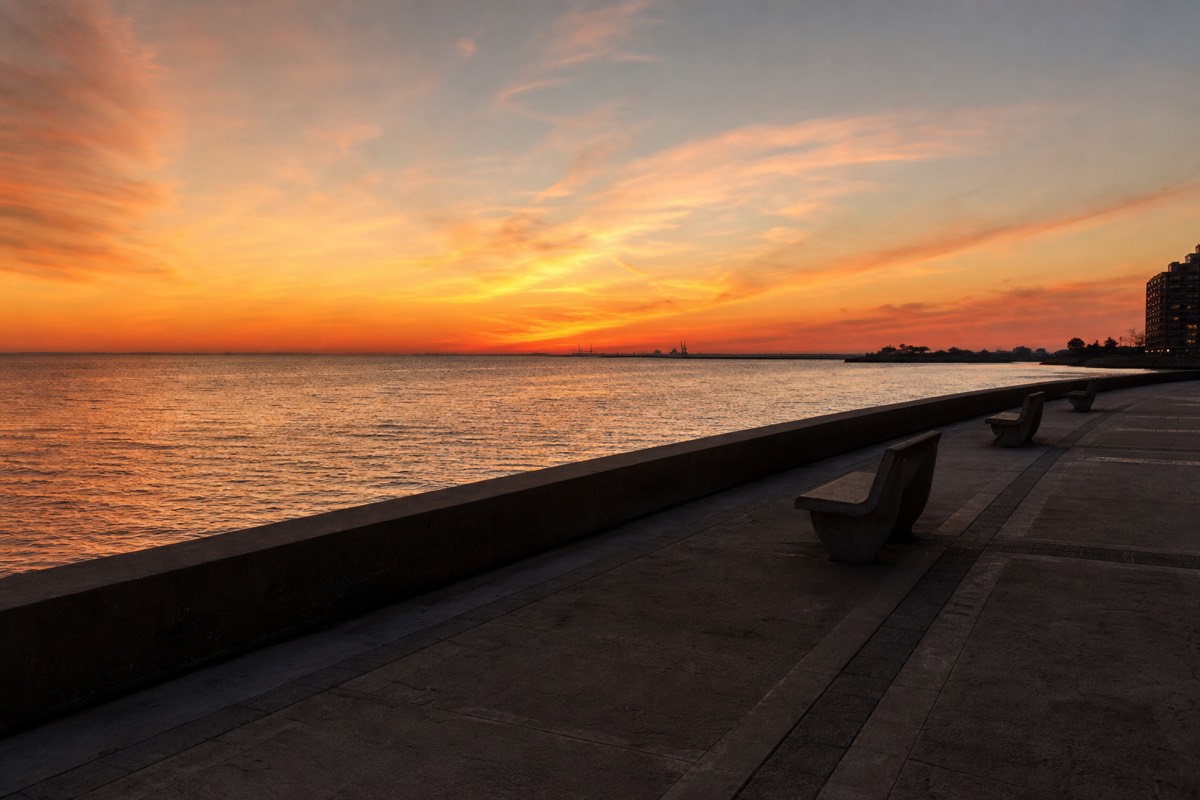
When Is The Best Time To Visit Montevideo?
December to March, the Uruguayan summer, is the best window if you want beaches, swimming and the Rambla at full volume. For sightseeing without heat or crowds, the shoulder months of March to May and October to November are better. Winter is cold and windy but far from a write-off.
Choose the season for the kind of day you want, then check actual departure dates. The month selector is an editorial suggestion, not a weather or availability forecast.
Booking Shortlist: Half-Day Montevideo City Tour. Link the old town, Agricultural Market and Pocitos waterfront in one guided loop.
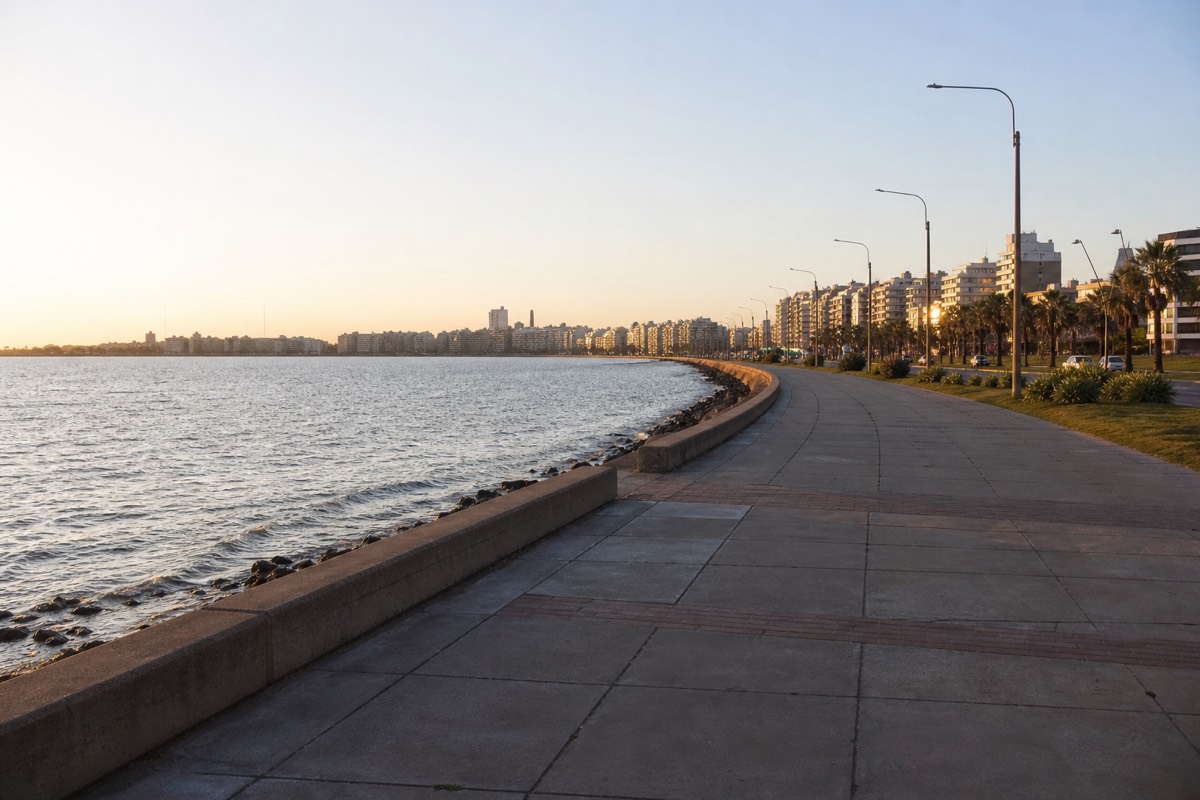
The single most useful thing to fix in your head is that the seasons are inverted. January is the height of summer, July is midwinter, and Christmas is a beach holiday. Travellers who book a June trip expecting European summer weather are the most consistently disappointed group we deal with.
What you are optimising for changes the answer. If the trip is about swimming, sand and long evenings on the promenade, come between December and March and accept that you are sharing the city. If it is about museums, tango, architecture, food and wine, the shoulder seasons give you the same city at a calmer pace and usually at better prices.
There is a third answer that gets overlooked: come in February if you want to see Uruguay at its most distinctive. Carnival season and the wine harvest overlap, the weather is reliably warm, and the cultural calendar is at its densest. It is also the busiest and priciest month, which is the trade you make.
What Is The Weather Like Month By Month?
Montevideo has a temperate climate moderated by the Rio de la Plata. Summers are warm to hot and humid, winters are cool rather than freezing, with snow essentially unknown. Wind off the water is the constant in every season, and rain is spread across the year rather than concentrated in a wet season.
| Month | Season | What it feels like | Beaches | What is on |
|---|---|---|---|---|
| January | Peak summer | Hot, humid, long evenings | Full swing, busiest of the year | Carnival season opens, many locals away on the coast |
| February | Peak summer | Hot, slightly less oppressive than January | Excellent, still very busy | Carnival at its height, wine harvest begins |
| March | Late summer | Warm days, cooler nights, pleasant | Swimmable, crowds thinning | Harvest in the Canelones vineyards, carnival winds down |
| April | Autumn | Mild, bright, breezy | Too cool for most swimmers | Ideal walking weather, golden light on the parks |
| May | Autumn | Cool, changeable, fewer visitors | Closed season in practice | Museums, tango, indoor culture, low prices |
| June | Early winter | Cold by local standards, wind off the river | Walking only | Quietest stretch of the year, cellar visits appeal |
| July | Midwinter | Coldest month, damp, short days | Bracing walks and nothing more | Long parrilla lunches, wine cellars, city museums |
| August | Late winter | Cold but lengthening days | Still off season | Low prices, easy tour availability |
| September | Early spring | Mild, windy, unsettled | Not yet | City comes back outdoors, parks in bloom |
| October | Spring | Pleasant, variable, good for walking | Sunbathing weather arrives before swimming does | Excellent shoulder-season value |
| November | Late spring | Warm, bright, comfortable | Water still cool, sand busy | Cruise season starts, city gearing up for summer |
| December | Early summer | Warm to hot, festive | Season opens, filling fast | Christmas and New Year on the beach, prices climbing |
Two qualifiers on that table. First, the wind is not a footnote. This is an exposed river coast and a bright day can feel considerably cooler on the Rambla than it does two streets inland, in any month. Second, rain arrives as passing systems rather than a monsoon, so a wet forecast rarely means a washed-out day.
Summer daytime temperatures typically sit in the high twenties Celsius, around the low eighties Fahrenheit, with humidity making it feel warmer. Winter days are cool rather than harsh, usually in the low teens Celsius, in the mid fifties Fahrenheit, and snow is effectively unheard of in the city.
Is Summer Worth The Crowds And The Prices?
Yes, if the beaches and the Rambla are why you are coming. December to March is the only period when Montevideo functions as a coastal city rather than a capital that happens to sit on water. The cost is higher prices, busier beaches and tours that sell out.
Summer changes the texture of the city. Beach kiosks open, volleyball nets go up on the sand at Pocitos and Malvin, the promenade stays busy well past dark, and the mate-drinking crowd on the sea wall at sunset swells to a genuine event. Dinner drifts even later than usual, and outdoor tables become the default.
January carries a quirk worth knowing. It is the main Uruguayan holiday month and a significant share of montevideanos head east to the coastal resorts, which can leave parts of the city oddly subdued even while the beaches are packed. Some smaller businesses take their own break. The tourist infrastructure runs at full tilt regardless.
The booking consequence is straightforward: reserve the popular experiences ahead. Small-group tours cap their numbers, and several of the ones we work with limit groups to ten or sixteen people. Our practical planning notes, including what to pack for a summer trip, are in the Montevideo practical guide.
When Is Carnival, And What Actually Happens?
Uruguay runs what is widely described as the longest carnival in the world, stretching across roughly forty days from late January into early March. The heart of it in Montevideo is candombe, the Afro-Uruguayan drumming tradition, with the Desfile de Llamadas parades through the southern barrios in February.
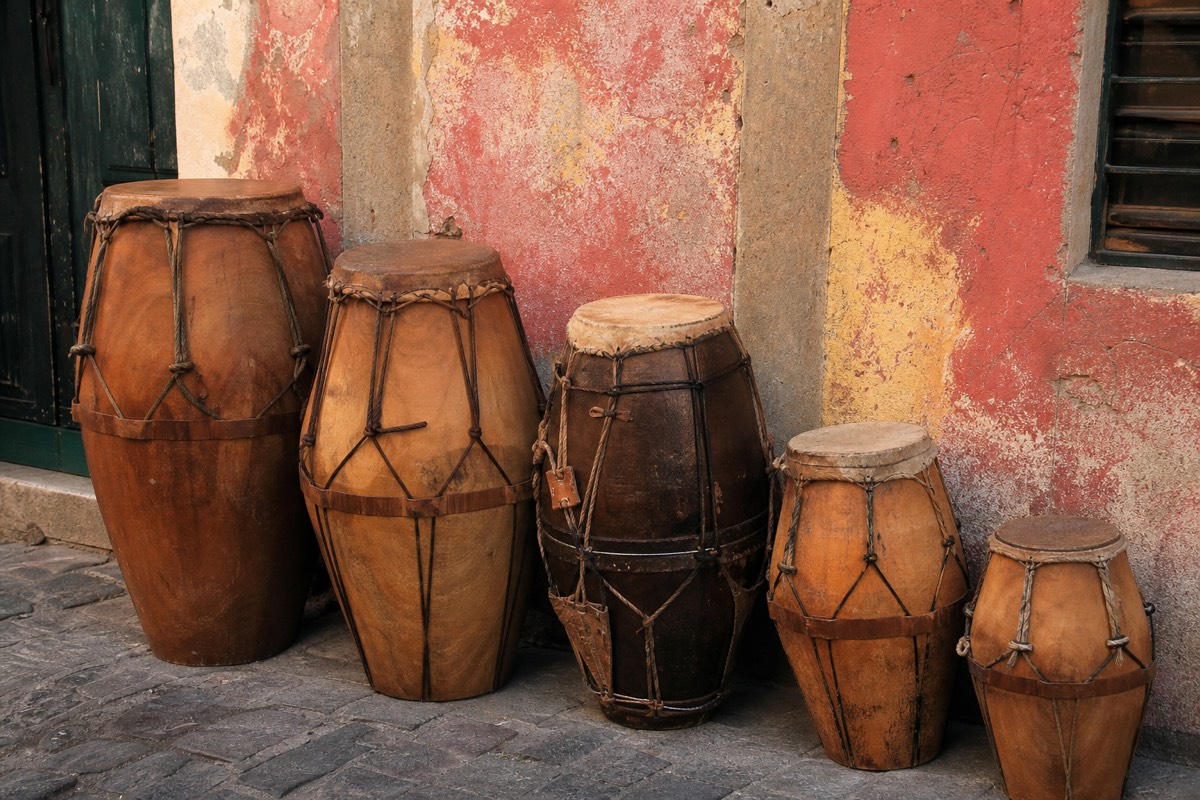
This is not the Rio model. There are no enormous floats and no stadium spectacle. Uruguayan carnival is built on two pillars: the candombe drum troupes, called comparsas, that parade with three-drum ensembles through Barrio Sur and Palermo, and the murga companies, satirical singing groups who perform through the season on neighbourhood stages known as tablados.
Candombe itself is older than the festival and lives on outside it. On ordinary evenings through the year you can hear drum practices moving through the streets of the southern neighbourhoods, which is one of the more unexpected pleasures of staying nearby. Our dedicated guide to candombe and carnival in Montevideo goes into the traditions and where to see them.
If carnival is your reason for coming, plan for February, book accommodation early and expect the city to be busy and expensive. If you would rather avoid the crowds entirely, that same knowledge is useful in reverse.
Is Winter A Bad Time To Visit Montevideo?
No, just a different trip. Winter is cold, grey and windy on the waterfront, and nobody is swimming, but the museums, the tango bars, the parrillas and the wine cellars are all at their best when it is unpleasant outside. Prices drop and availability opens up.

The argument for winter is that Montevideo has real indoor culture, and it goes underused by visitors who only come for the beach. The Solis Theatre, the city's museums, the historic bars of Ciudad Vieja and a long fire-lit parrilla lunch are all more appealing in July than in January.
Wine is the other winter case. The bodegas in Canelones run year round, and their underground cellars are more comfortable in cool weather than in high summer. At Bodega Santa Rosa the seasonal welcome shifts to hot coffee in winter, against the traditional medio y medio poured in the park during summer, which tells you exactly how the estates think about the two seasons.
Tango belongs on the winter list too. Learning tango at Baar Fun Fun, a Montevideo institution operating since 1895, is an indoor evening that works far better on a cold night than a warm one. What you give up is daylight, beach time and the outdoor social life that defines the city in summer.
When Is The Best Time For Wine And The Harvest?
February and March. The Canelones vineyards just outside Montevideo bring in the harvest in late summer, which is when the wineries are at their most active and you have the best chance of seeing fruit being processed rather than an empty production hall.
The geography makes this easy to build into a city trip. Canelones accounts for roughly 65 percent of Uruguayan wine production and starts more or less where the Montevideo suburbs end, so a winery visit is a half-day rather than an expedition. Tannat is the country's flagship grape, introduced by Basque immigrants and now both its most produced and most consumed variety.
Harvest season brings noise, activity and the smell of fermentation, and the estates are busy in a way that makes a visit feel like more than a tasting room exercise. It is also the busiest booking period, so reserve ahead. The Bouza winery tasting with tapas includes hotel pickup and runs three to four hours, at around $95 per person.
Outside harvest, autumn is arguably prettier. April and May turn the vines gold, the light is excellent for photographs, and the tasting rooms are quieter. The Bodega Santa Rosa private tour, with seven tastings and a three-course lunch inside the cellar at around $86 per person, works in any season because most of it happens underground.
When Is The Cheapest Time To Visit Montevideo?
Midwinter, roughly June through August, is when accommodation is cheapest and tours are easiest to book at short notice. The shoulder months of May and September run a close second, with better weather attached, which usually makes them the smarter value choice.
The price curve tracks the beach season closely. Rates climb through December, peak across January and February, and fall away from April. Anyone with flexible dates who does not need to swim should look hard at October and April, which sit either side of the expensive months with the mildest weather of the shoulder seasons.
Tour availability follows the same pattern. In summer, small-group experiences fill and the popular Colonia day trips sell out. In winter you can often book a few days ahead. Prices on the platforms themselves are less seasonal than hotel rates, but departures thin out and some experiences run less frequently.
One honest caveat about winter savings: shorter days cut the amount you can actually do, and an outdoor-heavy itinerary shrinks. If the plan is museums, food and wine, the saving is real. If the plan was a beach week, it is not a saving, it is a different holiday.
Which Month Suits Which Kind Of Traveller?
Beach and Rambla travellers want January to March. Culture and carnival travellers want February. Walkers, photographers and value seekers want April, May, October or November. Wine travellers want February to April. Cruise passengers get the southern summer whether they like it or not.
| If you are here for | Best months | Why | Watch out for |
|---|---|---|---|
| Beaches and swimming | December to March | The only genuine swimming season, lifeguards and kiosks operating | Peak prices, packed sand, book tours early |
| Carnival and candombe | Late January to early March, peaking in February | Llamadas parades and murga performances across the neighbourhoods | Accommodation fills months ahead |
| Wine and the harvest | February to March, with April for autumn colour | Canelones vineyards at their most active, cellars in full use | Popular winery slots sell out in harvest season |
| Walking the city and the Rambla | April, May, October, November | Mild temperatures, good light, promenade belongs to locals again | Wind year round, some beach services closed |
| Museums, tango and food | May to September | Indoor culture at its best, low prices, easy availability | Short days and cold evenings on the coast |
| Value and quiet | June to August | The cheapest accommodation and the emptiest sights | An outdoor itinerary will not work |
| Cruise port days | November to March | The southern summer cruise season along the River Plate | Fixed hours ashore, plan the day tightly |
Cruise passengers deserve the extra note. Ships calling at Montevideo dock beside Ciudad Vieja, which means the old town is on your doorstep and the beaches are not. The shared city tour for cruise guests is built around port pickup and the highlights within a port-day window, at around $59 per person, and our cruise port guide sets out what genuinely fits.
Which Public Holidays Should You Plan Around?
Two matter most for visitors: carnival, which brings Monday and Tuesday closures in February, and Semana de Turismo, the week that falls at Easter. Uruguay gives its holidays secular names, so Holy Week is Tourism Week and Christmas is officially Family Day, a legacy of the country's early separation of church and state.
Semana de Turismo is the one that catches travellers out. It is the biggest domestic travel week of the year, when much of the country goes to the coast or the interior, offices close and the capital empties. Accommodation on the coast books out, buses fill and some city businesses shut for the week. It is not a bad time to be in Montevideo, but it is a bad time to assume normal service.
Carnival brings its own rhythm in February, with two official holiday days and a long season of evening performances around them. The parades and tablado shows are the point rather than an interruption, and most tourism businesses keep running, but expect banks and offices to close and transport to be busier than usual.
The rest of the calendar is lighter touch. New Year, Labour Day at the start of May, and the national dates in July and August bring closures of offices and banks without much affecting a visitor's day. Shops and restaurants in the tourist neighbourhoods largely stay open. If your trip is short and includes one of these dates, check with your hotel rather than assuming, and book any dated experience in advance.
How Does The Season Change What A Tour Day Feels Like?
The same itinerary lands differently across the year. Summer favours the outdoor circuits: the Rambla, the beaches, the e-bike loop and the market walks. Autumn puts golden light on the parks and vineyards. Winter pushes the good stuff indoors, into cellars, theatres and long fire-lit lunches.
On the city tours, summer gives you the Pocitos beach in full swing at the Montevideo sign photo stop and lively market energy at the Mercado Agricola. Autumn turns Parque Batlle and Parque Rodo gold, which is the best window of the year for photographs. Winter keeps the circuit running but shifts the pleasure toward the commentary and the warm van between stops.
On the wine days, the seasonal contrast is sharpest. Harvest in February and March means machinery running and fruit arriving. Winter means the underground cellars are the warmest place on the estate and the welcome is hot coffee. Summer means the tasting happens with the shade of a cava as relief from the sun.
The guided electric bike tour, which runs about three and a half hours from Pocitos along the Rambla and through the historic centre at around $69 per person, is the clearest example of a season-sensitive experience. In March it is close to perfect. In July it is a cold ride into the wind, and the hop-on hop-off bus at around $35 does the same route with a roof over it.
How Many Days Do You Need, Whichever Month You Pick?
Two full days covers Ciudad Vieja, the Rambla, a parrilla lunch and one major add-on. Three days lets you add a winery afternoon or a Colonia day trip without rushing. A week suits travellers using Montevideo as a base for the Atlantic coast.
Day one belongs to the old town and the waterfront: Plaza Independencia, the Sarandi pedestrian street, Plaza Matriz, the Solis Theatre, Mercado del Puerto for lunch while it is open, then the Rambla east toward Pocitos. That is a full day on foot and it is the day everyone should have.
Day two is the choice day. Wine country in Canelones, a full-day trip to Colonia del Sacramento at around $60 per person, a beach afternoon in Carrasco, or the Parque Batlle and Centenario Stadium circuit for anyone who cares about football history. You cannot do all four.
Add a third day and the trip stops feeling compressed. Our Montevideo itinerary guide lays out one, two and three-day plans, and the argument about trip length in general is settled in how many days you need in Montevideo.
What Does A Well-timed Week In Montevideo Look Like?
Late March is the sweet spot for a week: the sea is still warm enough to swim, the summer crowds have gone home, the harvest is happening in Canelones, and the autumn light is arriving. Everything is open and almost nothing is full.
Start with two days in the city: the old town and the Rambla on day one, the eastern beaches and Carrasco on day two, with a long lunch built into each. The weather in March generally cooperates for both, and the beaches are pleasant without being crowded.
Give day three to wine. A morning pickup, a Canelones estate, tastings, lunch among the vines and back in the city by mid-afternoon is one of the easiest good days available anywhere. Day four goes west to Colonia del Sacramento, a UNESCO World Heritage town of cobbled streets, colonial gates and a lighthouse over convent ruins, either on a shared coach or a private guided day.
The back half of the week opens up. The Atlantic beach towns east of the city are within day-trip range and are covered in our Atlantic coast day trips guide. Add a tango night, a football match if the fixtures fall right, a slow morning at the Mercado Agricola, and an unhurried final day on the promenade. A week here is not a stretch, it is a different pace.
What Mistakes Do People Make Timing A Montevideo Trip?
Booking a northern-summer trip in June and arriving to a cold, windy waterfront. Expecting a Rio-scale carnival. Assuming winter means everything is shut. And planning a beach week around a city whose beaches sit at a silty river mouth rather than on the open Atlantic.
The season inversion is the big one and it is entirely avoidable. July here is not July in Barcelona. If your dates are fixed in the northern summer, plan an indoor and cultural trip and you will have a good time. Plan a beach trip and you will not.
The carnival expectation is the second. Uruguayan carnival is long, neighbourhood-based, drum-driven and genuinely distinctive, and it is nothing like the stadium spectacle across the border in Brazil. Come for candombe and murga on their own terms and February is one of the most rewarding months of the year.
The third is the beach assumption. Montevideo's beaches are urban river beaches with golden or white sand and water that runs brown with sediment rather than turquoise. They are good for a swim and excellent for a promenade, and our Rambla and beaches guide is honest about what to expect. If you want clear Atlantic water, that is a day trip east.
The last mistake is leaving the booking too late in summer. Between December and March the small-group tours, the winery visits with lunch and the Colonia day trips fill up, and the ones that cap at ten or sixteen people go first. Browse the full Montevideo tour collection and lock in the dated experiences before you worry about restaurants, which you can sort out on arrival.