Montevideo Nightlife: Tango, Bars And Late Dinners
Montevideo eats dinner at 9pm or later, hits the bars around midnight and rarely enters a club before 2am. The city's most famous tango song, "La Cumparsita," was composed here in 1916 by a 19-year-old architecture student. Our team explains how to plan a night out around tango shows, milongas, candombe drumming and the neighbourhood bar scenes that make this port city different from its louder neighbours.
Montevideo is not a city that parties hard on cue. It is a city that parties late, slowly and on its own schedule, and travellers who plan dinner for 7pm often find themselves eating alone in an empty restaurant. This guide walks through what actually happens after dark: when kitchens fill up, where the bar scenes cluster, how to find genuine tango and candombe, and how to stay sensible while doing it. For daytime planning, pair it with our best things to do in Montevideo and the Montevideo itinerary for 1, 2 and 3 days.
Is Montevideo A Party City?
Montevideo is a late-night city rather than an all-night party city: locals dine from 9pm to midnight, fill bars between 11pm and 2am, and rarely enter clubs before 2am. The energy concentrates in a handful of neighbourhoods and revolves around long dinners, live music and conversation rather than megaclubs. Expect depth and local character rather than a Buenos Aires-scale club scene.
The honest answer to whether Montevideo is a "party city" depends on what you mean by party. If you mean thumping superclubs, laser shows and a 5am free-for-all, Montevideo does not really offer that. Uruguay's capital is calmer, more local and considerably more about the table than the dance floor. The typical night out starts absurdly late by northern European or North American standards, unfolds over hours, and ends whenever it ends. Kitchens serve until midnight in many places, which means the evening has barely begun at the hour when many visitors are ready for bed.
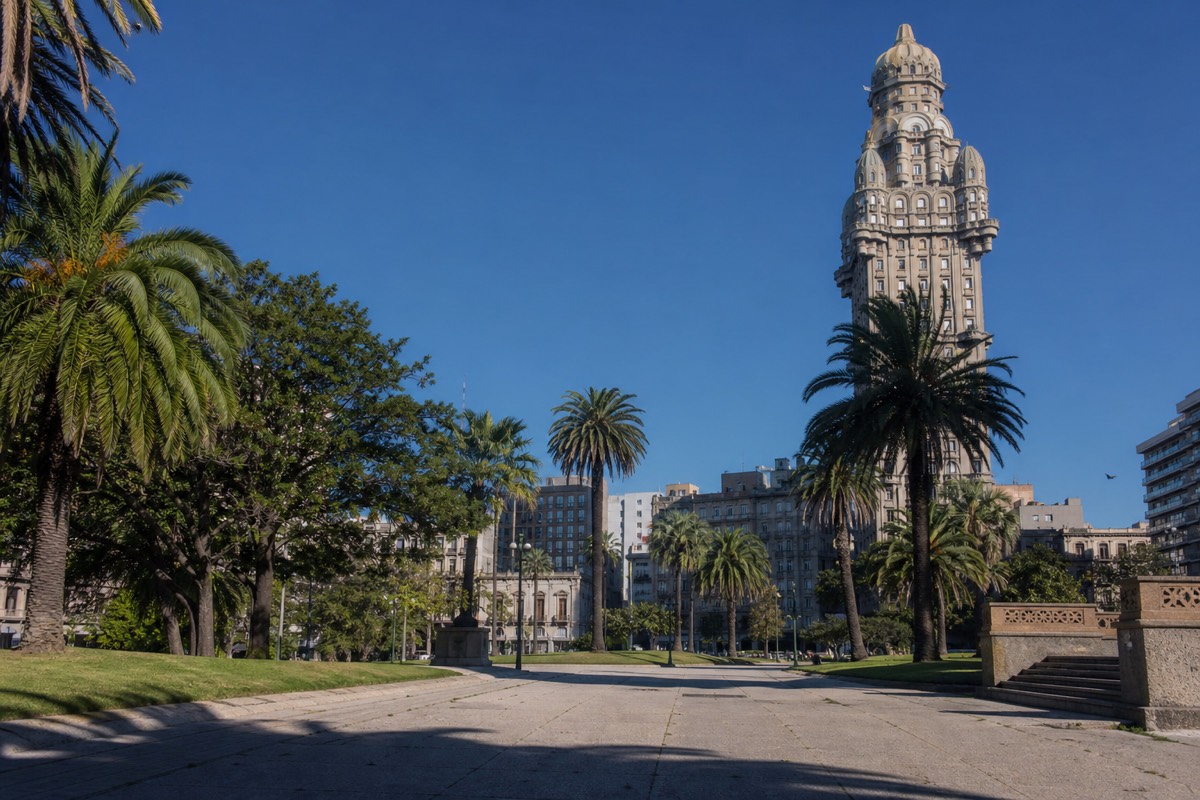
What Montevideo does have is depth. This is one of the great tango cities of the Río de la Plata, the birthplace of "La Cumparsita," the most played tango in the world, composed in 1916 by Gerardo Matos Rodríguez, a 19-year-old architecture student, as a march for a student carnival comparsa and premiered publicly in 1917 at Café La Giralda on the ground floor of Palacio Salvo, a site now associated with a tango museum. It is also the home of candombe, the Afro-Uruguayan drum tradition that fills the streets of Barrio Sur and Palermo, and of murga, the satirical street theatre that dominates Carnival season. A night out here can be a milonga, a drum circle, a dinner show or a bar crawl through colonial buildings, and often several of those in sequence.
Compared with its neighbour across the river, Montevideo's nightlife is smaller, cheaper and more intimate. Our team's comparison of the two capitals in Montevideo vs Buenos Aires covers the differences in more detail, but the short version for nightlife is this: Buenos Aires has more of everything, while Montevideo has fewer venues with a higher chance of sharing a table with locals. If you are arriving on the ferry for a quick visit, our Buenos Aires to Montevideo ferry and day trip guide explains what is realistic in a single evening.
What Kind Of Nightlife Montevideo Actually Offers
Think of the city's after-dark offer in four layers. First, the dinner culture: restaurants, parrillas and market halls that fill from 9pm onwards, many serving until midnight. Second, the bar culture: wine bars, craft beer spots and cocktail bars clustered in Ciudad Vieja, Pocitos, Cordón and Parque Rodó, peaking between 11pm and 2am. Third, the live culture: tango shows, milongas, candombe drumming and murga, which run on their own weekly calendars. Fourth, the club culture, which exists but starts extremely late and is mostly a local affair.
| Type Of Night Out | Typical Hours | Who It Suits | Where It Concentrates |
|---|---|---|---|
| Long dinner | 9pm to midnight | Everyone; the default local evening | Citywide, strongest in Pocitos and Ciudad Vieja |
| Bars and wine | Peak 11pm to 2am | Couples, groups, travellers who like conversation | Ciudad Vieja, Pocitos, Cordón, Parque Rodó |
| Tango and milonga | Classes from 8pm, dancing from 9:30pm | Dancers and curious beginners | Centro, Cordón, Bar Fun Fun area |
| Candombe and murga | Evenings and Sundays, seasonally | Anyone wanting Afro-Uruguayan culture | Barrio Sur and Palermo |
| Clubs | After 1am, rarely before 2am | Young locals and committed night owls | Varies; check current listings |
What Time Montevideo Goes Out
Montevideo's clock runs two to four hours later than most visitors expect: dinner typically starts between 9pm and 10pm or later, bars peak between 11pm and 2am, and clubs only get going after 1am, rarely before 2am. Arriving anywhere at 7pm for dinner or 10pm for a club will mean empty rooms. The single most useful planning decision you can make is to shift your whole evening later and eat a substantial afternoon snack to bridge the gap.
The dinner hour is the anchor. Locals typically sit down to eat between 9pm and 10pm, and many kitchens keep serving until midnight. If you show up at 7pm, you will likely be the only table, and in some places the kitchen may not even be at full speed. The Uruguayan dinner is not a quick affair either: a parrilla with a group can run two hours easily, and nobody is watching the clock. Our guide to the Uruguayan asado explains how the grill culture works and why a dinner can legitimately occupy most of an evening.
Bars follow dinner rather than precede it. The peak bar window is around midnight, with the busiest stretch running from 11pm to 2am. This is when Ciudad Vieja's converted colonial buildings on streets like Bartolomé Mitre and Bacacay fill up, and when Pocitos' polished wine bars and cocktail spots reach a comfortable hum. If you want a pre-dinner drink, expect a quieter, more sedate atmosphere, which some travellers actually prefer.
Clubs are the latest layer of all. They rarely get going before 2am, which means the locals who go clubbing often eat first, drink second and dance third, arriving at the club at an hour when many visitors have long since gone to bed. If clubbing matters to you, plan a nap, a late dinner and patience. If it does not, you lose almost nothing by skipping it, because the bar and live music scenes carry the city's character.
| Stage Of The Night | Local Time | What Is Happening | Traveller Tactic |
|---|---|---|---|
| Aperitif or merienda | 6pm to 8pm | Cafés and a few bars open, quiet | Coffee, a snack, watch the sunset on the Rambla |
| Early dinner attempt | 7pm to 8:30pm | Many restaurants open but nearly empty | Only works if you genuinely need an early night |
| Real dinner | 9pm to midnight | Kitchens at full tilt, tables full | Book ahead on weekends; eat like a local |
| Bar hop | 11pm to 2am | Peak bar scene across the four nightlife areas | Start in Ciudad Vieja or Pocitos and walk between venues |
| Clubs | After 1am to 2am | Doors open, crowds arrive late | Only for committed night owls |
Season matters too. Summer, roughly December through February, pushes everything even later, with warm evenings drawing people onto the streets and toward the beachfront. Winter pulls things indoors and slightly earlier, but the dinner hour barely budges. Our best time to visit Montevideo guide covers the seasonal trade-offs in full, including how Carnival in February transforms the entire after-dark calendar.
How To Shift Your Own Schedule
Our team's practical advice is to treat the late afternoon as your main daytime meal. Have a proper lunch, then a merienda, the Uruguayan afternoon tea with pastries, around 5pm or 6pm. That carries you comfortably to a 9:30pm dinner reservation. Trying to hold out from a 1pm lunch to a 9:30pm dinner on willpower alone is how travellers end up in a tourist-trap restaurant at 7pm wondering why the city feels dead. It is not dead; you are simply four hours early.
Tango Nights And Milongas
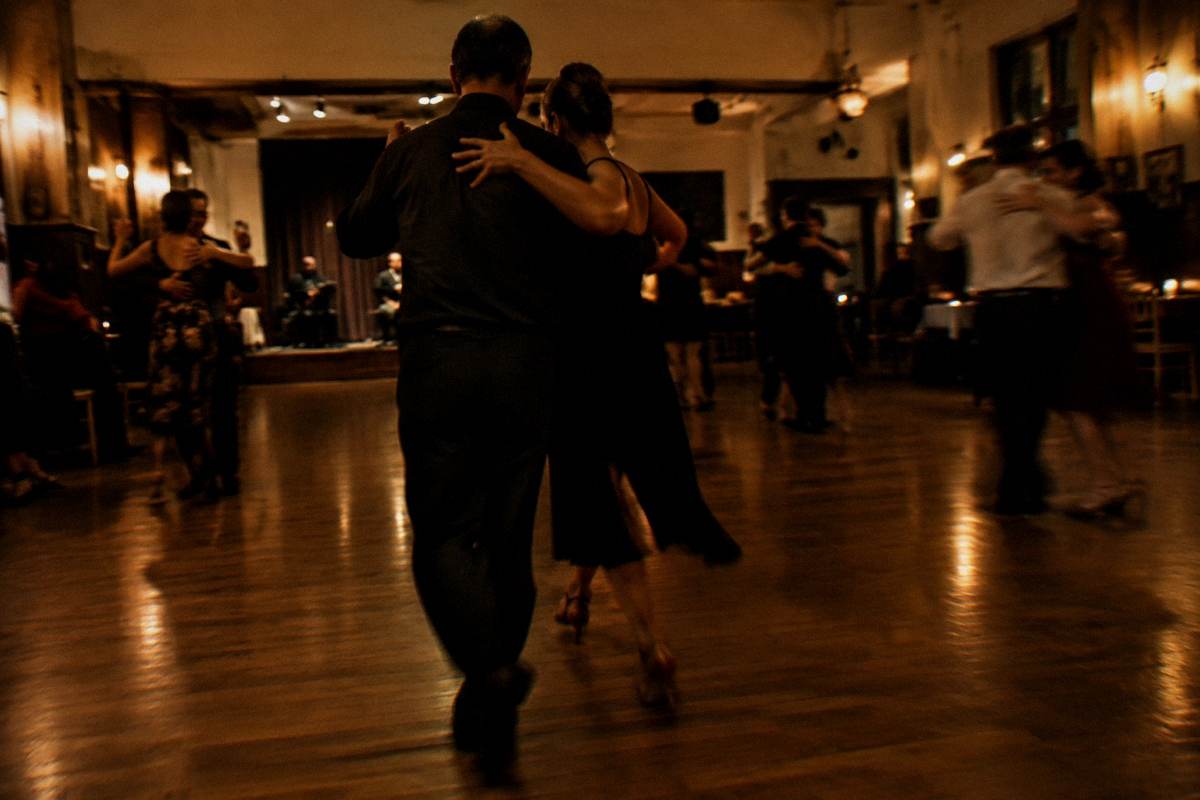
Montevideo offers tango two ways: staged dinner shows and working milongas where locals actually dance. El Milongón runs a dinner show with tango, folklore, candombe and milonga featuring more than 30 artists, Monday to Saturday from around 20:00 to 20:30, while real milongas such as Joventango run Monday, Tuesday, Friday and Saturday from 21:30 at Aquiles Lanza 1235 esq. Soriano. Bar Fun Fun, founded in 1895, hosts live tango Tuesday to Saturday from around 21:30.
Start with the history, because in Montevideo it is not decoration. "La Cumparsita" was composed here in 1916 by Gerardo Matos Rodríguez, a 19-year-old architecture student, as a carnival march for a student comparsa, and had its public premiere in 1917 at Café La Giralda, located on the ground floor of Palacio Salvo, a site now associated with a tango museum. Uruguayans take tango ownership seriously and with good reason; the most performed tango in the world is Uruguayan. You can read more about the building at its heart in our Palacio Salvo tickets, tour and history guide.
Bar Fun Fun: The 1895 Original
Bar Fun Fun opened in 1895 and has been a tango and folk institution for more than 120 years. Its signature drink, Uvita, a wine-based spirit, was invented there by founder Augusto López and is still made with a secret patented recipe. The most famous night in its history came in 1933, when Carlos Gardel visited, tasted Uvita, sang a capella and dedicated an autographed photo that is still displayed today. The bar has moved several times over its long life; it now sits at Ciudadela 1229 esq. Reconquista, in the new Mercado area behind Teatro Solís, and hosts live tango Tuesday to Saturday from around 21:30.
The best way to experience it as a visitor is the tango lesson at Bar Fun Fun, a beginner-friendly class led by professional dancers that teaches basic steps with no prior experience needed, followed by a glass of Uvita or a soft drink with a classic snack. Our team rates it as the most accessible entry point into Montevideo tango precisely because it removes the two biggest barriers: not knowing how to dance and not knowing what to order. If you want a preview, our Bar Fun Fun tango lesson walkthrough covers what the evening actually looks like, minute by minute.
Where Locals Actually Dance: The Milongas
A milonga is a social tango dance night, and Montevideo has a small but genuine weekly circuit. The details below come from tango-specific sources, and our team strongly recommends confirming days and times before you go, since milonga schedules shift seasonally.
| Milonga | Venue | When | Notes For Visitors |
|---|---|---|---|
| Joventango | Aquiles Lanza 1235 esq. Soriano | Monday, Tuesday, Friday, Saturday at 21:30 | The most established regular milonga; central location |
| Milonga Callejera | Plaza Líber Seregni, Cordón (Dr. Joaquín Requena s/n esq. Daniel Muñoz) | Wednesdays, October to April | Outdoor and seasonal; a warm-weather option |
| El Chamuyo | Montevideo, venue varies | Thursdays; lessons 20:00 to 21:30, milonga from 21:30 | Includes a class before the dancing, good for beginners |
Etiquette at a milonga is simpler than newcomers fear. Watch first, sit when you are not dancing, and use the cabeceo, the eye-contact invitation, rather than marching across the floor. If you cannot dance, a class-first milonga like El Chamuyo, or the Bar Fun Fun lesson, is the honest route. Locals are generally patient with respectful beginners and far less so with people who talk through the music on the dance floor.
Dinner Shows: El Milongón
For a staged, sit-down version of the whole tradition, El Milongón presents a dinner show featuring tango, folklore, candombe and milonga with more than 30 artists, running Monday to Saturday with a start around 20:00 or 20:30 and a show lasting roughly two to two and a half hours. Two bookable versions exist: a longer dinner-and-show evening of about four hours with dinner, wine, soft drinks and water included, and a shorter show-and-dinner version of about three hours with a three-course dinner where wine, soft drinks and water are included but beer, transport and tips are extra. In both cases you make your own way there; neither includes hotel transport, and neither is a street candombe or Carnival parade experience. That distinction matters: if you want drums in the street, read the candombe section below rather than booking a stage show expecting it.
| Option | Duration | Includes | Best For |
|---|---|---|---|
| El Milongón dinner and show (long version) | About 4 hours | Dinner, wine, soft drinks, water and the show | Travelers who want the fullest evening in one sitting |
| El Milongón show and dinner (shorter version) | About 3 hours | Three-course dinner, wine, soft drinks and water; beer, transport and tips extra | Those pairing the show with another late activity |
| Bar Fun Fun tango lesson | Evening; lesson plus Uvita and snack | Beginner class, Uvita or soft drink, classic snack | First-timers who want to dance, not just watch |
Bars And Neighbourhoods After Dark
Montevideo's bar scene splits into four distinct neighbourhoods: Ciudad Vieja concentrates atmospheric wine bars and craft beer in converted colonial buildings along Bartolomé Mitre and Sarandí; Pocitos offers a polished, upscale waterfront scene on the Rambla; Cordón is the alternative, studenty quarter with scruffy creative bars; and Parque Rodó delivers younger, cheaper, bohemian energy around the park. Each suits a different traveller, and bar-hopping between them is easy because the city is compact.
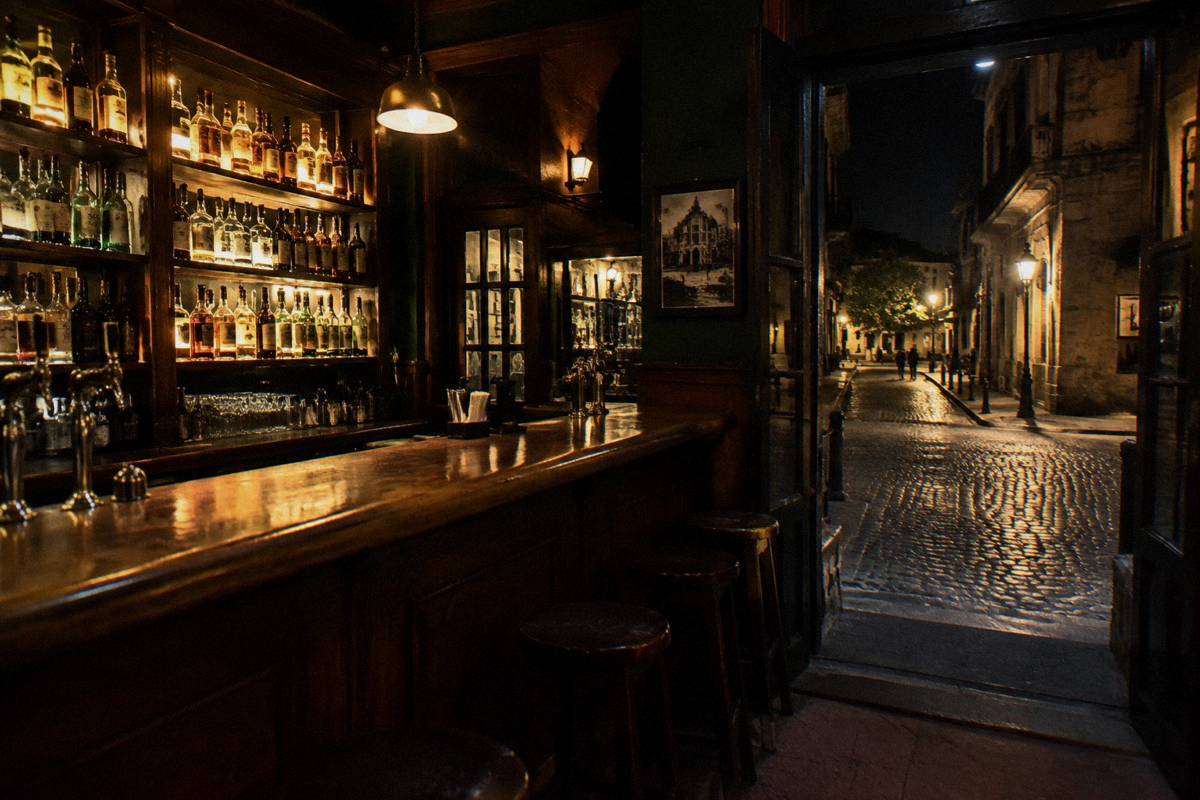
Ciudad Vieja is the historic heart of the after-dark scene. The bars here occupy converted colonial buildings, and the streets around Bacacay and Bartolomé Mitre form a walkable cluster where you can move between three or four venues in a night. The crowd is mixed, locals and travellers, and the setting is the draw: drinking in a centuries-old building a few blocks from the port feels genuinely different from drinking anywhere else in the city. Our Ciudad Vieja historic centre guide covers the daytime side of the neighbourhood, which is worth knowing because the same streets you tour at noon are where you drink at midnight. One caveat: the Old City empties out late at night after the bars close, so plan your route home in advance.
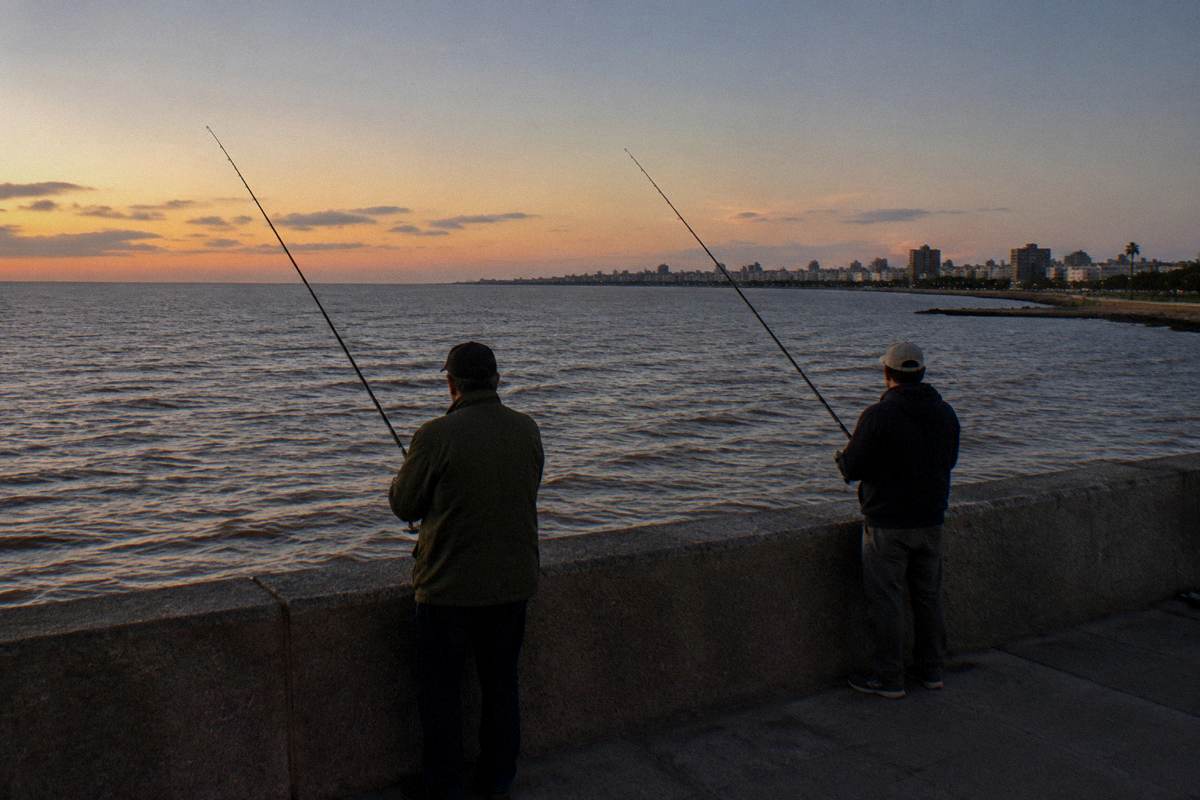
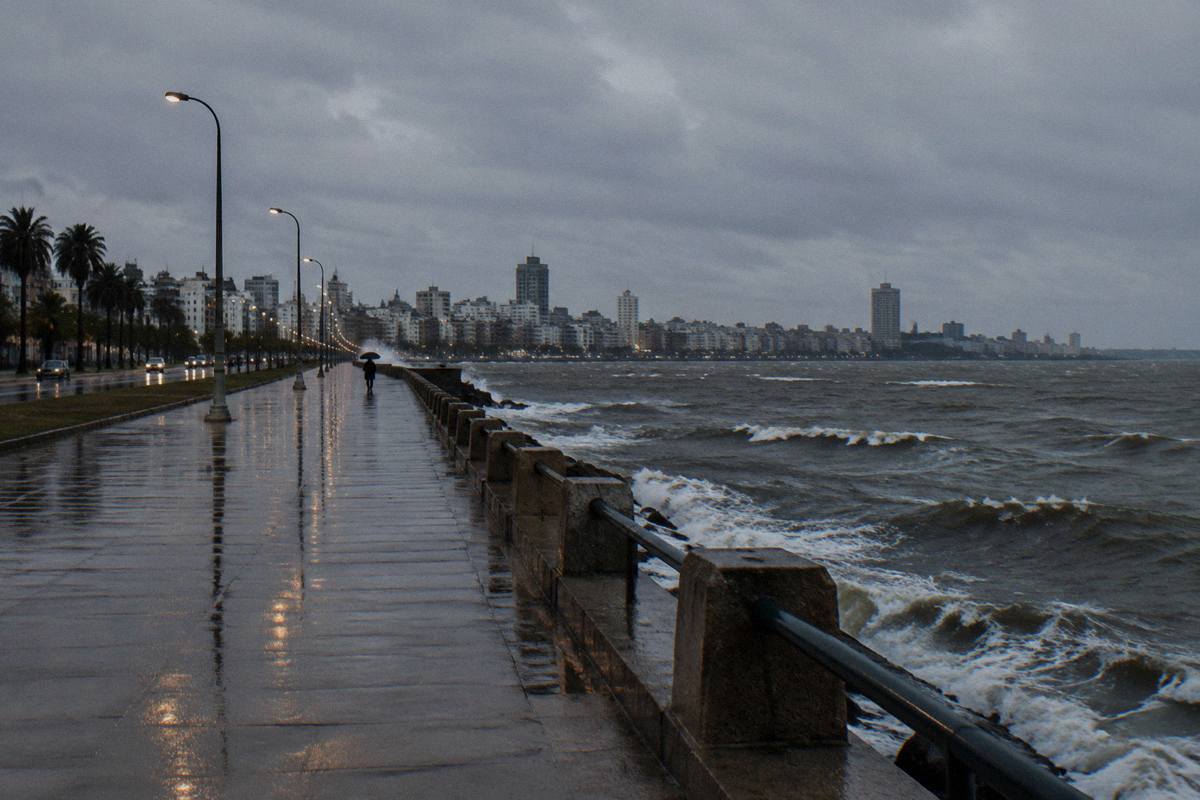
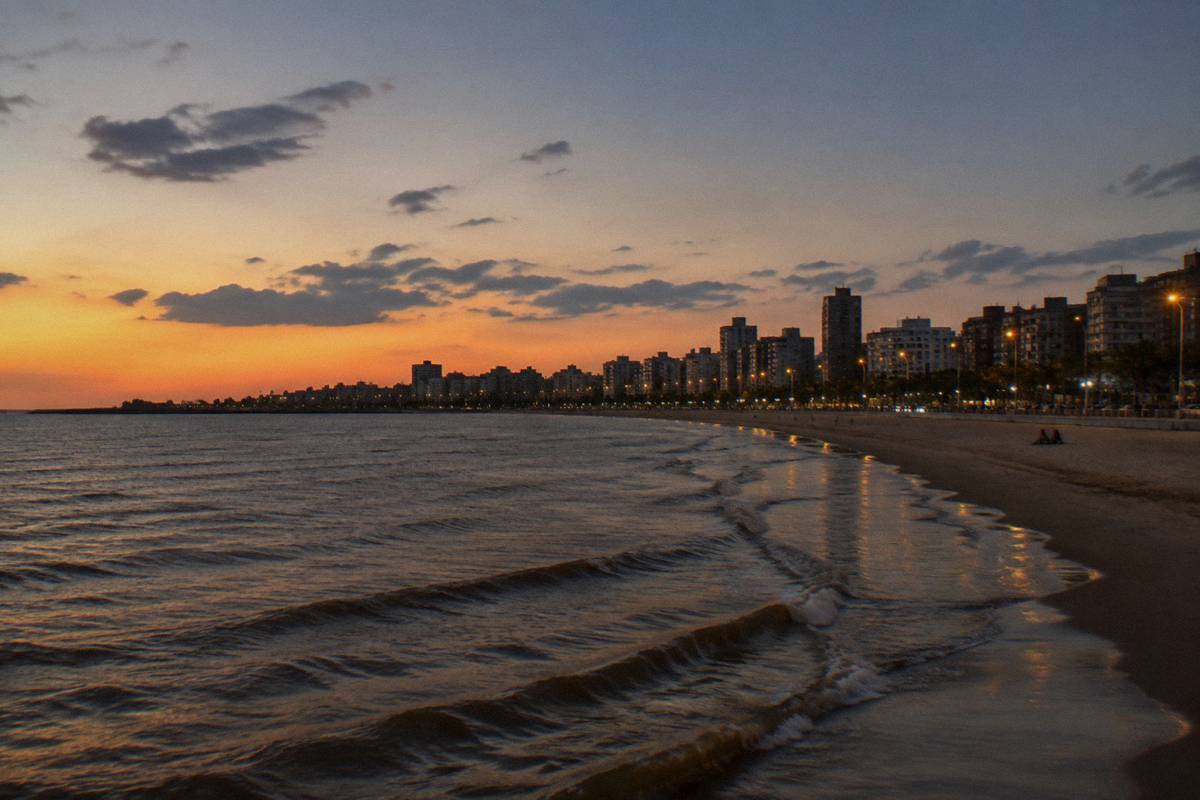
Pocitos is the polished option. Along the Rambla waterfront you find reliable, quality restaurants, wine bars and cocktail spots drawing an older, well-dressed local crowd. It is comfortable, residential and among the safer-feeling areas for a night out, which makes it the easy choice for travellers who want a relaxed evening without any navigation risk. Combining a sunset walk on the Rambla, which our Rambla and beaches guide covers, with a late Pocitos dinner is one of the great simple Montevideo evenings.
Cordón is where the bohemian and student energy lives. Expect scruffy, creative bars, cheap eats and a younger, artsy crowd, often spilling out of the nearby university world. Parque Rodó is similar in spirit but more park-centric, with pubs and cultural venues around the green, cheaper drinks, and a lively scene near the beach. These two areas reward travellers who want to meet locals rather than other travellers, and they are where you are most likely to stumble into an unplanned night.
| Neighbourhood | Vibe | Crowd | Price Level | Best For |
|---|---|---|---|---|
| Ciudad Vieja | Historic, atmospheric, bar-hop friendly | Mixed locals and visitors | Mid | A first night out; colonial-setting wine bars and craft beer |
| Pocitos | Upscale, waterfront, comfortable | Older, well-dressed locals | Higher | A relaxed dinner-and-drinks evening on the Rambla |
| Cordón | Alternative, bohemian, studenty | Younger, artsy | Lower | Cheap drinks and creative bars off the tourist trail |
| Parque Rodó | Young, park-side, casual | Students and bohemians | Lower | Lively, cheap nights near the beach and cultural venues |
Food and drink anchor these evenings, and the practical side matters: which restaurants to book, how late kitchens run, and what to eat at midnight. Our best restaurants in Montevideo guide handles the booking side, and the street food tour with a local guide is a smart afternoon warm-up, introducing you to empanadas, the chivito and the mate ritual with a guide who explains the culture around them, so your evening choices feel informed rather than random.
A Sample Late Night, Hour By Hour
- 6pm: Walk the Rambla at sunset with a mate or an ice cream.
- 8pm: Merienda or an early aperitif in a quiet café; nothing is busy yet, and that is fine.
- 9:30pm: Dinner reservation, ideally in Pocitos or Ciudad Vieja.
- 11:30pm: Walk to a first bar; in Ciudad Vieja, stay around Bartolomé Mitre and Sarandí.
- 1am: Second bar, or a tango show if you booked the late seating at Bar Fun Fun.
- 2am: Either call it a night and order a car, or commit fully and find where the locals are heading next.
Candombe, Murga And Live Music
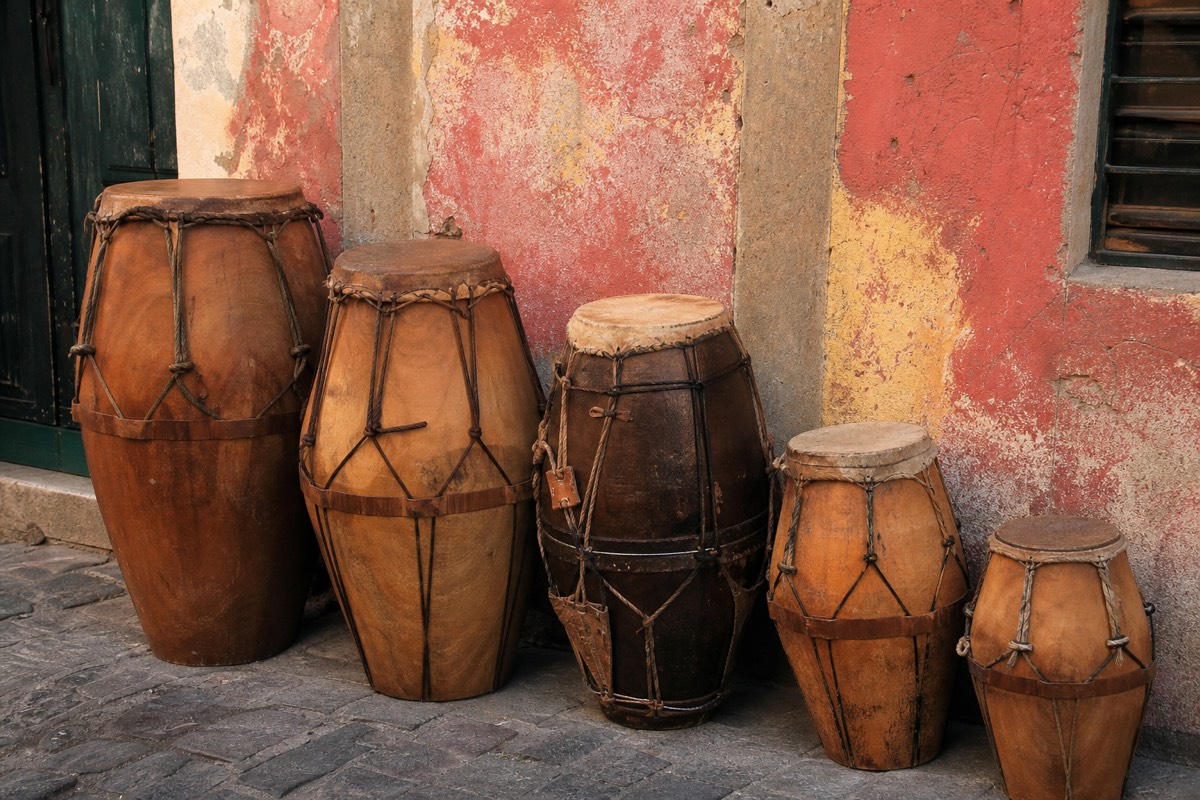
Candombe, the Afro-Uruguayan drum tradition, lives in Barrio Sur and Palermo, with regular Sunday drumming and events, and peaks at Carnival, when the Llamadas parade fills Isla de Flores in early February, on 6 and 7 February in 2026. Murga, satirical choral street theatre, plays at tablados throughout February. Outside Carnival, Sunday evenings in Barrio Sur are the reliable option, though schedules vary.
Candombe is not a show you buy a ticket for on an ordinary Tuesday. It is a living neighbourhood tradition, practised in the streets by comparsas, drum groups, whose rhythms came with African descendants into these two barrios south of the centre. The heart of it is the Sunday drumming, when groups gather and the sound carries through the streets, and the exact schedule varies, so ask locally or check current listings rather than expecting a fixed start time. What our team can promise is that Barrio Sur and Palermo, along Isla de Flores, are the centre of candombe culture, and any evening walk there has a chance of running into drums.
Carnival is the peak. The Desfile de Llamadas, the great parade of the drum comparsas, takes place in early February, on 6 and 7 February in 2026, in Barrio Sur and Palermo along Isla de Flores. It is one of the most powerful street spectacles in South America and completely free to watch from the pavement. Throughout February, tablados, the neighbourhood stages, host murga groups performing satirical, costumed, chorus-driven commentary on the year's politics and life. Murga is loud, funny, local and largely in Spanish, but even without understanding every word, the energy and the crowd reaction carry the show. Our Candombe and Carnival in Montevideo guide goes deep on the history, the comparsas and how to watch the Llamadas well.
For live music beyond tango and candombe, Teatro Solís, the city's great 19th-century theatre, programmes concerts and shows year-round, and our Teatro Solís tours, shows and tickets guide explains how to see a performance or take a daytime tour. Between the theatre, the milongas, the drum corners and the bar stages of Cordón and Parque Rodó, a week of evenings can be filled without ever entering a club.
| Experience | When | Where | Ticket Or Free |
|---|---|---|---|
| Sunday candombe drumming | Sundays, schedule varies | Barrio Sur and Palermo | Free, in the street |
| Desfile de Llamadas | Early February, 6 to 7 February in 2026 | Barrio Sur and Palermo, along Isla de Flores | Free to watch from the street |
| Murga at tablados | Throughout February | Neighbourhood stages citywide | Usually a small ticket; check locally |
| Tango at Bar Fun Fun | Tuesday to Saturday from around 21:30 | Ciudadela 1229 esq. Reconquista | Bookable; lesson experience available |
| El Milongón dinner show | Monday to Saturday, from around 20:00 to 20:30 | El Milongón venue | Bookable, dinner included |
Staying Safe At Night
Official advice is consistent: the US State Department urges increased caution in Uruguay due to crime, especially in tourist locations and poorly lit areas, while the UK Foreign Office advises avoiding isolated or poorly lit areas at night and not walking downtown or in the port area alone, especially on weekends. In practice, use a car app late at night, stay on busy streets and treat empty parts of Ciudad Vieja after closing with caution.
Montevideo is one of the safer capitals in South America, and most nights out end without incident, but the official guidance deserves to be taken literally rather than dismissed. The two pieces of advice that matter most for nightlife specifically are the poorly lit areas warning and the port and downtown warning. Ciudad Vieja is both the main bar district and the historic centre, which means the same neighbourhood that is lively at 11pm can feel deserted at 2am two blocks from the action. The port area after dark is explicitly flagged by the UK advisory. The fix is simple: when the night ends, do not walk thirty minutes back to your hotel through empty streets; order a car.
Uber operates in Montevideo, which makes late-night logistics genuinely easy. Order from inside the bar, wait inside until the car arrives, and confirm the plate before getting in. Taxis are also plentiful in the nightlife areas. Our practical guide to transport, currency and SIM cards covers the apps and payment side, and our full Montevideo safety guide goes deeper on neighbourhoods and common scenarios. If you are weighing which areas to base yourself in for easy, safe evenings, our where to stay in Montevideo guide maps the trade-offs, and our where to avoid in Montevideo article names the specific spots worth extra care.
| Situation | Risk Level | Our Team's Advice |
|---|---|---|
| Bars on Bartolomé Mitre and Sarandí, 11pm to 1am | Low | Relax; busy, mixed crowds |
| Pocitos Rambla restaurants | Low | Comfortable; walk the Rambla earlier, not at 3am |
| Cordón and Parque Rodó bar areas | Low to moderate | Stay on the lively streets; keep phones off café tables |
| Empty Ciudad Vieja side streets after closing | Moderate | Do not walk alone; order a car from inside the venue |
| Port area at night, alone, weekends | Flagged by UK advisory | Avoid walking alone; use transport |
A few habits cover almost everything. Carry only what you need for the evening and leave the passport in the hotel. Keep your phone off the bar top, a universal rule but worth repeating. Watch your drink. If you are out during Carnival, expect dense crowds along Isla de Flores and plan your viewing spot and exit route in advance. And if a street or a stretch of the Rambla feels empty and dark, trust that instinct and change course; the official advice about poorly lit areas exists because that is where the opportunistic crime happens. For travellers who prefer a guided evening, especially on a first night or a short visit, a private tour with a local guide can be scheduled later in the day and doubles as an orientation to which areas feel comfortable after dark.
One last scheduling note: everything in this guide shifts with the season and the year. Milonga days, show times, Carnival dates and bar opening hours all vary, and the details we have quoted come from sources current for 2025 and 2026. Verify times on the day, especially for milongas and Sunday candombe, and you will spend your evenings watching tango and drinking Uvita rather than standing outside closed doors.