Best Restaurants In Montevideo: Where To Eat
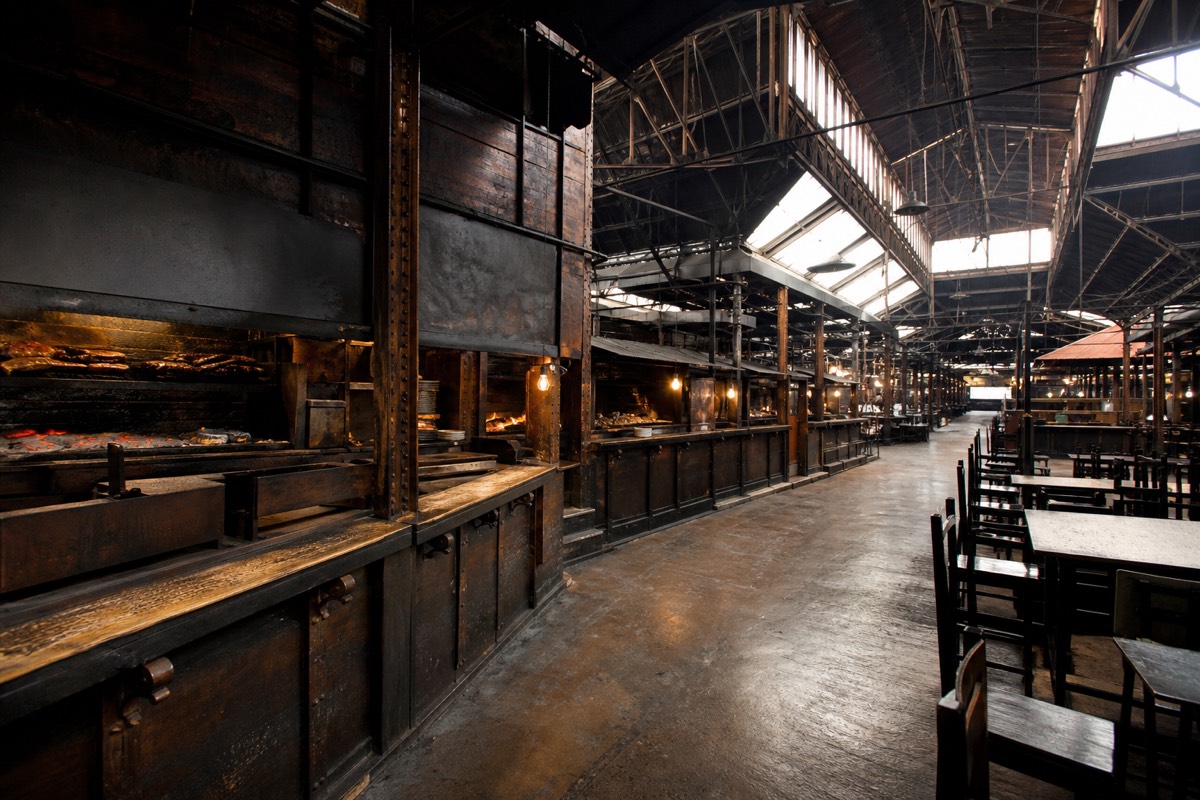
Mercado del Puerto opened on 10 October 1868 as a plain fruit, vegetable and meat market under an iron roof, and it still runs on the same fuel: fire, beef and patience. Learn how Montevideo eats and the rest of the city opens up fast.
Where Should You Eat On Your First Night In Montevideo?
Start in Ciudad Vieja or Pocitos. Ciudad Vieja holds the historic parrilla scene around Mercado del Puerto, which is a daytime destination that shuts in the late afternoon. Pocitos and neighbouring Punta Carretas stay busy into the night with grills, pasta houses and wine bars, and both are easy walks from most hotels.
Choose between a neighborhood meal, a five-tasting walk and cooking with a chef. Each solves a different food decision.
Booking Shortlist: Private Street Food Walk With Five Tastings. Try savory bites, sweet treats and mate while a private guide introduces the old town.
The single most useful thing to understand on arrival is the clock. Uruguayans eat late by North American or northern European standards, and a restaurant that looks half empty at eight in the evening will be full by ten. If you turn up at seven expecting a buzzing room, you will get an empty one and probably a rushed kitchen. Push your dinner an hour or two later than feels natural and the whole experience improves.
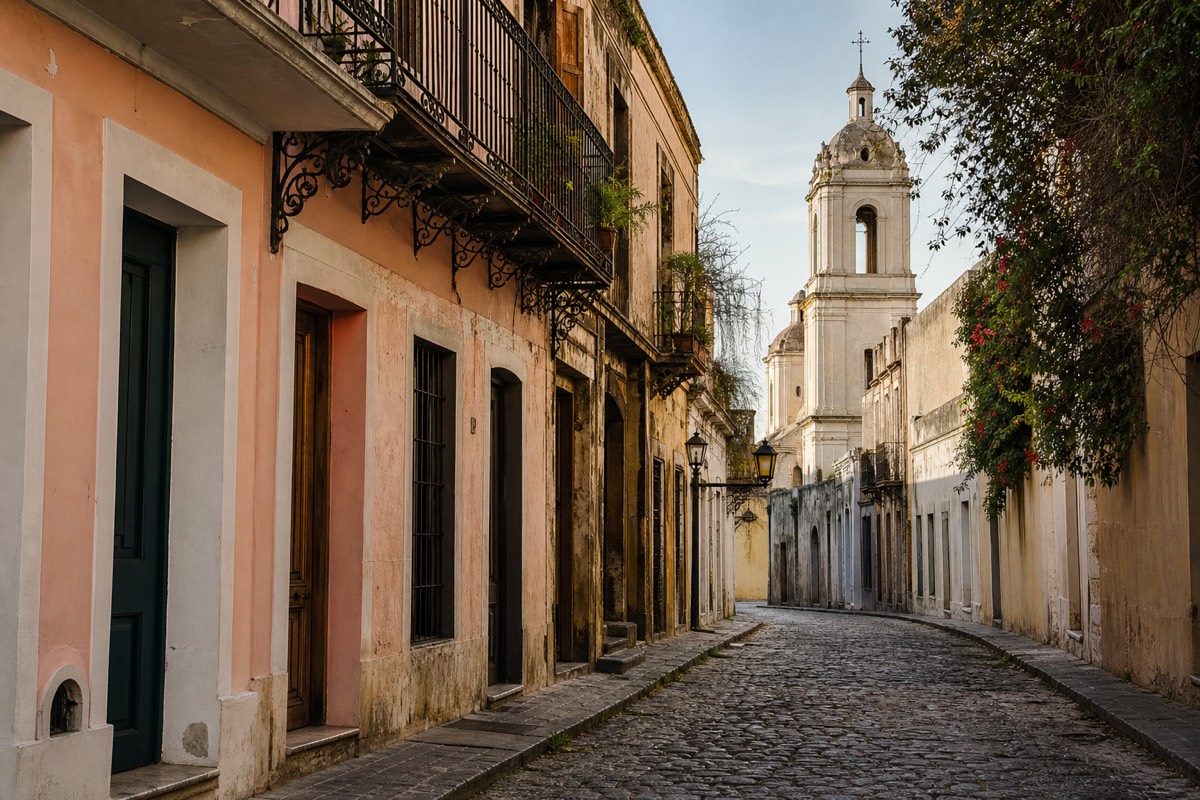
The second thing is geography. Ciudad Vieja, the old colonial core, has the port market, the historic bars and the highest concentration of visitors. It is compact, walkable and full of grilled meat, but a good part of it winds down after the office crowd leaves. Pocitos sits on the beach about four kilometres east, denser with everyday restaurants that locals actually use on a Tuesday. Punta Carretas, between the two, leans slightly more polished.
For a first night with no research and no reservations, walk the streets behind Pocitos beach and pick a parrilla with a visible wood fire and a full room. That is a better filter than any ranking. If you would rather have someone else do the choosing, our team routes most first-timers through a guided walk before they eat alone: see the Montevideo street food tour with a local guide, which covers the Old City and finishes at the port market.
What Is Mercado Del Puerto, And Is It Worth The Hype?
Mercado del Puerto is a wrought-iron market hall in Ciudad Vieja near the port, inaugurated on 10 October 1868. It originally sold fruit, vegetables and meat and is now a gastronomic destination built around parrilla restaurants specialising in grilled meat and seafood. It opens around 10 or 11am and closes around 5 or 6pm, later at weekends.
Read those hours again, because they are the single biggest trap in Montevideo dining. The market is a lunch institution, not a dinner one. Visitors arrive at eight in the evening expecting the famous grills and find the gates closing. Plan it as a midday meal, ideally arriving either right at opening or after two in the afternoon when the first wave has cleared.
Inside, the format is unusual and part of the appeal. Several restaurants share the hall, each with its own counter wrapped around an open grill, so you sit at a bar looking directly into the fire while a parrillero works cuts across different heat zones. You order by pointing as much as by reading. Beef dominates, but the seafood side is real: this is a working port city and the fish counters are not decoration.
Is it touristy? Yes, and the prices reflect that. Quality varies noticeably between operators under the same roof, which is why the busiest counter with the most locals at it is usually the right one. Our honest take is that the market earns a visit for the building, the theatre of the grill and one long lunch, and that your best meals in the city may well happen elsewhere. Pair it with the rest of the old quarter using our Ciudad Vieja walking guide.
What Exactly Is A Chivito, And How Do You Order One?
The chivito is Uruguay's national sandwich: thinly sliced grilled beefsteak, the churrasco, layered with mozzarella, ham, tomato, mustard, mayonnaise and olives, very often with bacon and a fried or hard-boiled egg, served in a bun with a pile of fries alongside.
The name translates as little goat, which it contains none of. The story told across Uruguay is that it started as an improvised answer to a customer who asked for goat meat when there was none, and beef went in instead. Whatever the origin, the result is one of the great sandwiches of South America and the fastest way to understand the local appetite for stacking things.
Two forms matter. Al pan is the sandwich as described, in the bun. Al plato drops the bread and serves the same components as a plate, usually with fries, salad and sometimes a fried egg on top. Order al plato if you want to taste the meat rather than fight the bun. The version with bacon is commonly called canadiense, and it is the maximalist option.
Portion sizes are not modest. Two people ordering a chivito each, plus fries, plus anything else, will not finish. Split one, order a salad, and see how you feel. You will find chivitos everywhere from late-night bars to sit-down restaurants, and the humble places tend to do them better than the smart ones. For more on the wider local menu, see our piece on what food Montevideo is known for.
How Is A Uruguayan Asado Different From An Argentine One?
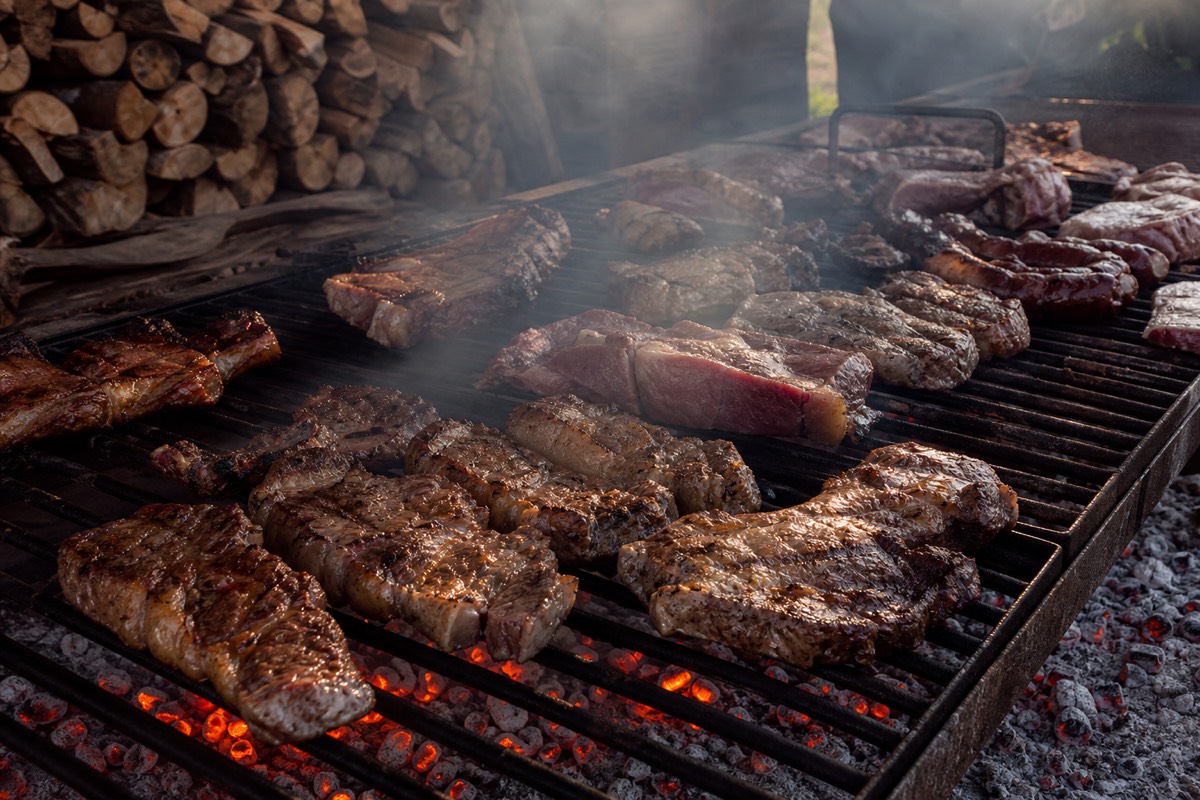
Asado is both a cooking method and a social occasion. Meat is cooked over an open fire or on a parrilla using embers and hot coals rather than direct flame or charcoal briquettes underneath. Uruguayan practice shares its roots with the Argentine version but differs in technique, notably in how the fire is built and fed.
The mechanism to watch is the brasero, a separate firebox where wood burns down. The cook rakes glowing embers from there under the grill in small quantities, adjusting the heat by adding or removing coals rather than by moving the meat. Uruguayan asadores lean heavily on wood, and many parrillas keep a visible log fire burning at the side of the room for exactly this reason.
The consequence is time. A proper asado is measured in hours, not minutes, and the sequence is as much a part of it as the meat. Sausages and blood sausage tend to come off first, along with provoleta, a disc of provolone grilled until it sags. Then the bigger cuts: asado de tira, the crosscut short rib, vacío, the flank, entraña, the skirt. Offal has a genuine following here, and sweetbreads are treated as a delicacy rather than a dare.
If you are invited to a home asado, accept immediately. Nothing on any restaurant menu matches it. Barring that, a parrilla with a wood fire and a slow-moving grill will give you the closest version, and lunch is often when the fire has been going longest.
Which Neighbourhood Should You Eat In, And What Is Each One Good For?
Ciudad Vieja is for historic parrillas and daytime market eating. Pocitos and Punta Carretas are the reliable evening neighbourhoods. Cordón and Parque Rodó skew younger and cheaper. Carrasco is the upscale seaside option, and the Mercado Agrícola is the best single stop for produce, snacks and local products under one roof.
| Neighbourhood | What it is | Best for | Worth knowing |
|---|---|---|---|
| Ciudad Vieja | The colonial old town by the port | Mercado del Puerto parrillas, historic bars, lunch | Quietens after office hours; market closes late afternoon |
| Centro | The commercial spine around 18 de Julio | Fast lunches, canteens, chivitos, coffee | Functional rather than scenic; great value |
| Cordón | Inland student and residential belt | Cheaper eating, pizza and fainá, casual bars | Fewer visitors, more everyday prices |
| Parque Rodó | Park and beach district south of Centro | Weekend crowds, informal food, drinks near the water | Busiest in summer and on Sundays |
| Punta Carretas | Leafy headland between Parque Rodo and Pocitos | Polished restaurants, wine lists, dinner | Slightly higher prices than Pocitos |
| Pocitos | Dense beachfront residential neighbourhood | Everyday grills, pasta, sushi, late dinners | The most reliable all-round eating district |
| Buceo | East of Pocitos around the yacht harbour | Waterside tables, seafood, shopping-centre dining | Spread out; a taxi or bus ride from the centre |
| Carrasco | Upscale seaside residential district in the east | Refined dinners, white-sand beach, tree-lined avenues | Around 20 to 30 minutes from downtown by car |
| Mercado Agricola (MAM) | Restored market hall north of Centro | Produce, cheese, dulce de leche, snack stalls, souvenirs | A stop on several city tours; good for edible gifts |
Two of those deserve a note. Carrasco is worth the trip if you want a long lunch followed by a walk on white sand under the trees, and it works well combined with a beach afternoon. The Mercado Agrícola, referred to locally as the MAM, is where several guided city tours stop for 30 to 40 minutes, and it is the most efficient place in the city to buy dulce de leche, alfajores and artisan cheese to take home.
If you are choosing a base for a short trip, Pocitos is the pragmatic answer: you can walk to dinner, walk to the beach, and reach Ciudad Vieja in about 20 minutes by bus or a short ride. Our Montevideo itinerary guide maps out how the eating fits around the sightseeing across two and three days.
What Does Eating And Drinking Actually Cost, And How Does Tipping Work?
Tipping in Uruguayan restaurants runs at around 10 percent. It is customary rather than mandatory, and it can usually be added to the card payment when you pay, so you do not need to carry small notes for it. Cards are widely accepted in tourist areas, but market stalls and small vendors often want cash.
Restaurant prices move constantly and vary hugely between a canteen chivito and a Punta Carretas tasting menu, so we will not pretend to publish a fixed number for a meal. What we can give you is the real, currently listed cost of the guided food and wine experiences we work with, which is the part of a trip people usually budget for in advance.
| Experience | Format | Indicative price | Good for |
|---|---|---|---|
| Montevideo street food tour | Private walking tour, about 3 hours | Around $66 per person | First-timers wanting empanadas, chivito and mate with context |
| Vina Varela Zarranz winery visit | Winery tour with tastings and cellar visit | Around $70 per person | A half-day introduction to Uruguayan wine |
| Bodega Santa Rosa private tour | About 2.5 hours, seven tastings plus a three-course lunch | Around $86 per person | Wine lovers who want the underground cellar and a proper meal |
| Bouza winery tasting and tapas | 3 to 4 hours with hotel pickup, four wines with pairings | Around $95 per person | Tannat and Albarino with transport handled |
| Wine Lovers Delight countryside lunch | Full-day countryside outing with premium tastings | Around $220 per person | A single standout food day outside the city |
Treat those figures as indicative and check the live listing before you book, because operators adjust seasonally and some prices are per group rather than per person. The prices are current at the time of writing and every one of these runs on GetYourGuide or Viator, so cancellation terms are on the listing page rather than hidden in a phone call.
One more money note. The Uruguayan peso trades at roughly 40 to the US dollar as of August 2026, though rates move, so check the current rate before you convert anything. Cards cover most restaurant situations in Pocitos, Punta Carretas, Carrasco and Ciudad Vieja. Markets, kiosks and small parrillas outside the tourist core are where cash saves you an awkward moment.
Where Does Tannat Fit Into Dinner, And Is Uruguayan Wine Any Good?
Tannat is Uruguay's flagship grape, the country's highest-production and most-consumed variety, introduced by Basque immigrants in the nineteenth century. The main growing region is Canelones, immediately north and east of Montevideo, which accounts for roughly 65 percent of Uruguayan wine production.
That geography is the reason a serious wine day trip from Montevideo takes half a day rather than a full one. The vineyards start almost where the suburbs end. Several of the estates we work with, including Viña Varela Zarranz, sit close enough to the city that hotel pickup at ten in the morning has you back by mid-afternoon, which is unusual for a wine region anywhere.
As a grape, Tannat does exactly what its name suggests: heavy tannins, dark fruit, structure that would be punishing on its own and turns out to be a near-perfect partner for a fatty cut off the grill. Uruguayan producers have spent decades softening it, and modern bottlings range from firm and traditional to notably rounder. Alongside it you will meet Albarino, which Bouza in particular has built a reputation on, plus Merlot, Sauvignon Blanc and Chardonnay.
Two drinks deserve a mention beyond the bottle. Medio y medio, a blend of still and sparkling white, is the classic warm-weather aperitif and is poured as a summer welcome at estates like Bodega Santa Rosa. And mate, the shared herbal infusion carried in a gourd with a thermos under the arm, is less a drink than a social contract. You will see it everywhere on the Rambla at sunset, and no restaurant serves it because everyone brings their own.
Is A Guided Food Tour Worth It, Or Should You Just Eat Your Way Around?
A guided food tour earns its place if you have two or three days, no Spanish and no idea where to start, because it front-loads the vocabulary, the neighbourhoods and the ordering etiquette. If you have a week, speak some Spanish and enjoy the hunt, you can do it yourself and spend the money on a winery day instead.
Do it guided if: it is your first visit to Uruguay, you are off a cruise ship or the ferry with a fixed window, you want to try six things rather than commit to one large plate, you have dietary restrictions that are hard to explain across a language gap, or you simply want a local to tell you which counter at the port market to sit at.
Skip it if: you have been to Buenos Aires or Rio and already know the rhythm of late dinners and grilled meat, you are travelling on a tight budget where one tour equals four restaurant meals, or you are the kind of traveller who resents a schedule. The city is safe enough to wander in the daytime and the food is not hidden. Read our take on how safe Montevideo is before you plan evening walks.
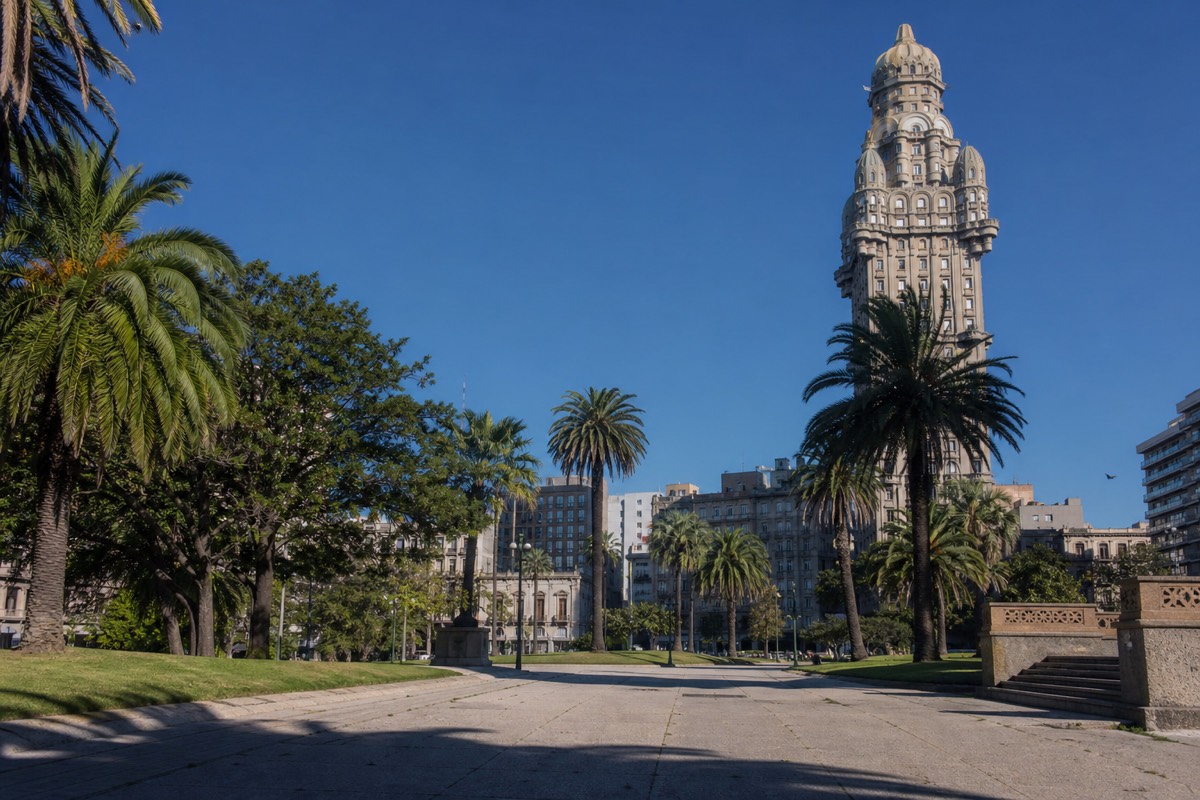
The middle path works well: one guided walk early in the trip to build a mental map, then independent eating for the rest of it. The street food tour we list runs as a private experience of about three hours through Ciudad Vieja, Plaza Independencia and the port market, with mate, empanadas and chivito along the way, and the guide adjusts the pace and the stops to what you actually want.
What Does A Full Eating Day In Montevideo Look Like?
A realistic food day: bakery and coffee around nine, market browsing late morning, a long parrilla lunch from one until three, coffee and something sweet mid-afternoon, mate on the Rambla at sunset, and dinner starting no earlier than half past nine.
Morning is the quietest meal here. Breakfast tends to be small: coffee and a medialuna or a bizcocho from a bakery counter, eaten standing up. Do not plan your day around a big hotel buffet unless your hotel provides one, because the city does not really do brunch culture the way North America does.
Late morning is the window for the Mercado Agricola if you want produce, cheese and dulce de leche, or for Mercado del Puerto if lunch there is the plan. Get to the port market before one for a seat at the grill counter, order a mixed parrillada if there are two or more of you, add a bottle of Tannat, and let it run for two hours. That is the meal the day is built around.
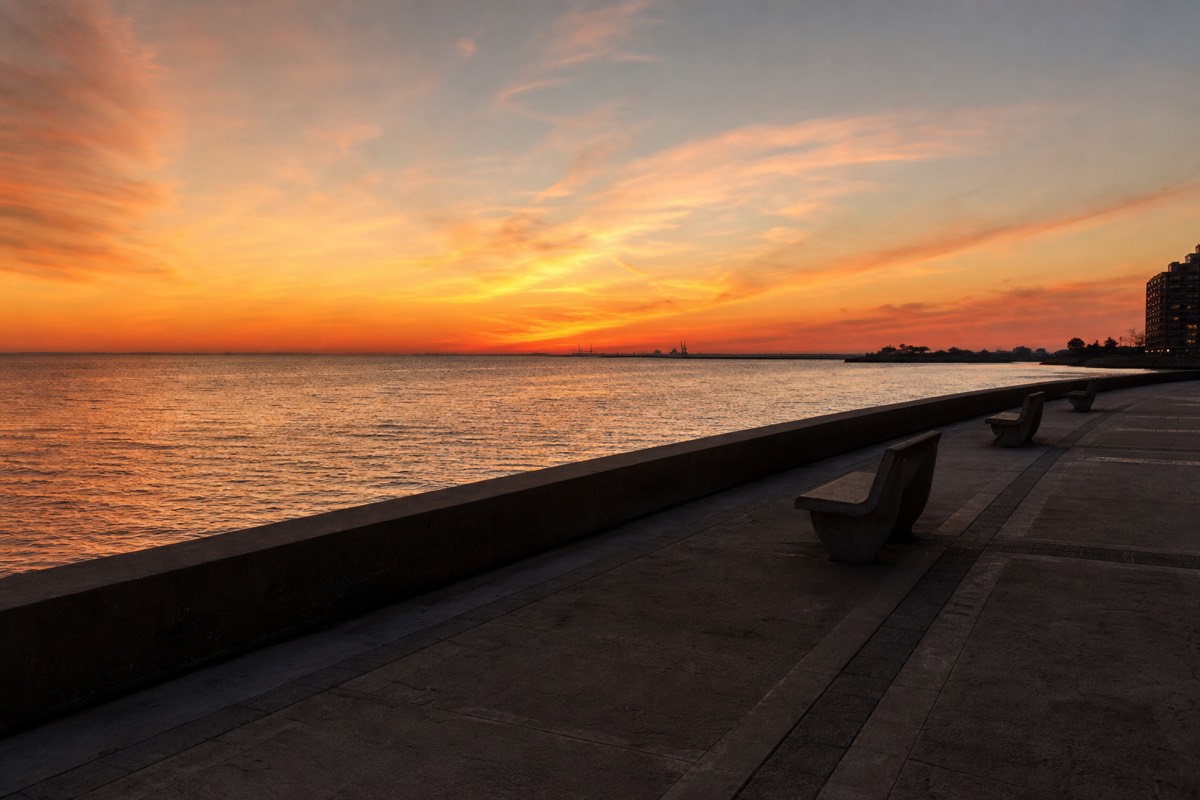
Mid-afternoon, take a coffee and an alfajor, the dulce de leche sandwich biscuit that Uruguayans and Argentines will argue about indefinitely. Then walk it off along the water. Sunset on the Rambla is the city's real social hour, with families, runners and thermos-carrying mate drinkers spread along the wall. Dinner comes late and light after a lunch like that, and a shared chivito al plato with a salad is a perfectly respectable end to it.
Which Snacks And Sweets Should You Not Leave Without Trying?
Four things carry the everyday Montevideo menu outside restaurant hours: empanadas from a counter, pizza served with fainá, dulce de leche in every possible format, and the alfajor. Add a bizcocho with morning coffee and you have covered most of what locals actually eat between meals.
Empanadas are the default portable food. Beef, ham and cheese, chicken, sometimes tuna, baked more often than fried, and sold from bakeries and dedicated counters rather than restaurants. They are also the first stop on most guided food walks for the good reason that they explain the Spanish and Italian double inheritance of the city in a single bite.
Pizza deserves its own paragraph because of what comes with it. Fainá is a baked chickpea flour flatbread of Genoese origin, and the classic order puts a wedge of it directly on top of a slice of pizza, a combination known as a caballo. It sounds odd and works. Montevideo pizza tends toward a softer base and generous cheese, closer to the Rio de la Plata style than to Naples.
Then there is dulce de leche, which is less an ingredient here than a background condition. It fills alfajores, the sandwich biscuit usually coated in chocolate or dusted in coconut, and it goes into cakes, pastries, ice cream and the middle of almost anything sweet. The Mercado Agricola and the market stops on several city tours are the easiest place to buy a jar to take home, along with artisan cheese and jams. Our overview of what Uruguay is famous for puts the sweet side in the wider context of what the country exports culturally.
What Do Visitors Get Wrong About Eating In Montevideo?
The three big mistakes: arriving at Mercado del Puerto in the evening when it has already closed, booking dinner for seven when the city eats at ten, and ordering one chivito per person. All three are avoidable in a sentence, and all three happen daily.
Beyond those, the most common misstep is assuming a card works everywhere. It usually does in restaurants across the tourist neighbourhoods, but a market stall, a beach kiosk or a small parrilla in a residential street may not take one, and there is no faster way to sour a good meal. Carry a modest amount of pesos as insurance.
Another is treating Uruguayan asado as a footnote to the Argentine version. The technique differs, the wood matters, and telling a Uruguayan asador that it is basically the same thing as across the river is a conversation you will lose. Related to that: rushing. If you sit down at a parrilla with 45 minutes before a tour departure, you will be disappointed. The fire does not care about your schedule.
Finally, do not skip the sea. Montevideo sits on the Rio de la Plata with the Atlantic just around the corner, and the seafood counters at the port market exist for a reason. A day of nothing but beef is a shame in a city that also does very good fish. If you want the wider picture of what makes this city distinctive, our overview of what Montevideo is known for covers the culture around the table as well as the food on it, and our full Montevideo tour collection lists every guided food and wine option we work with.