The Uruguayan Asado: How It Works And Where To Try It
Uruguay counted 50.2 kg of beef eaten per person in 2025, and the country keeps roughly 11.6 million cattle for about 3.4 million people. The institution behind both numbers is the asado, the wood-fire grill ritual that anchors Uruguayan weekends. Here is how it works, cut by cut, and where our team suggests you try it in Montevideo.
Beef is not a food group in Uruguay so much as a civic infrastructure, and the asado is its weekly ceremony. Before you order one, it helps to understand what is actually happening at that iron grill.
What Makes Uruguayan Asado Different?
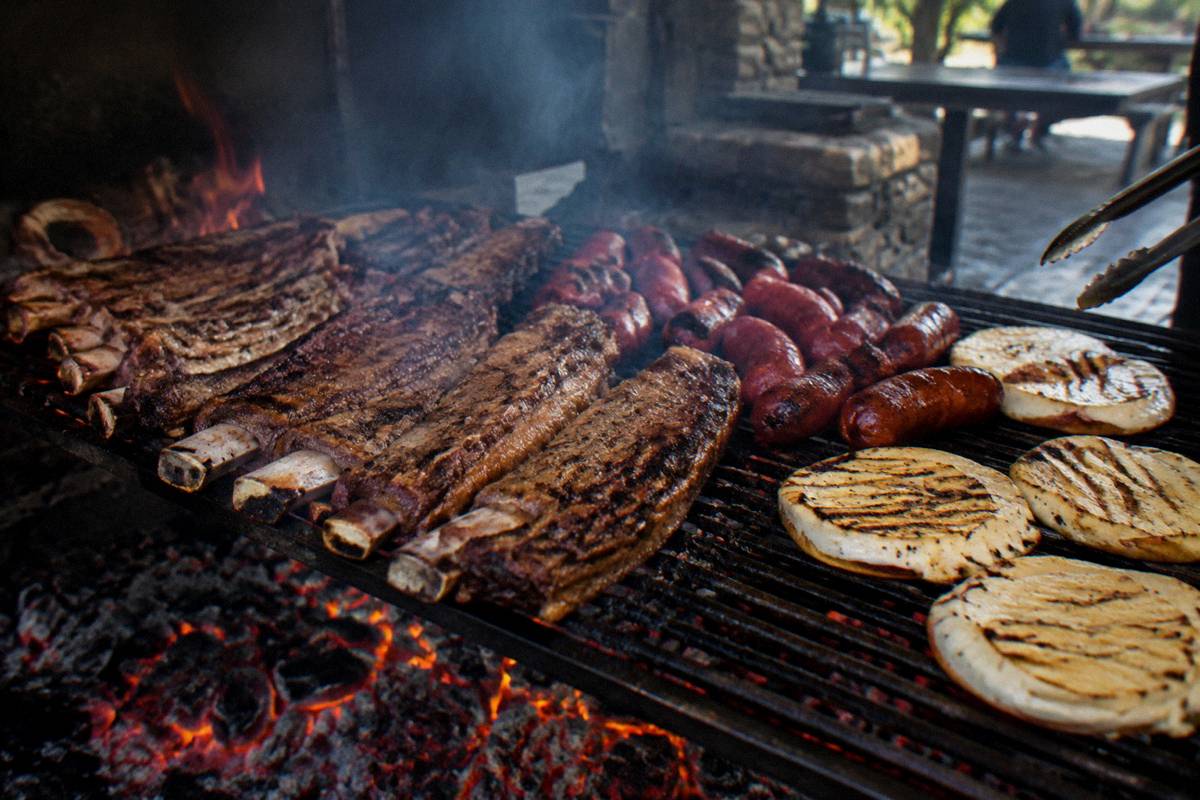
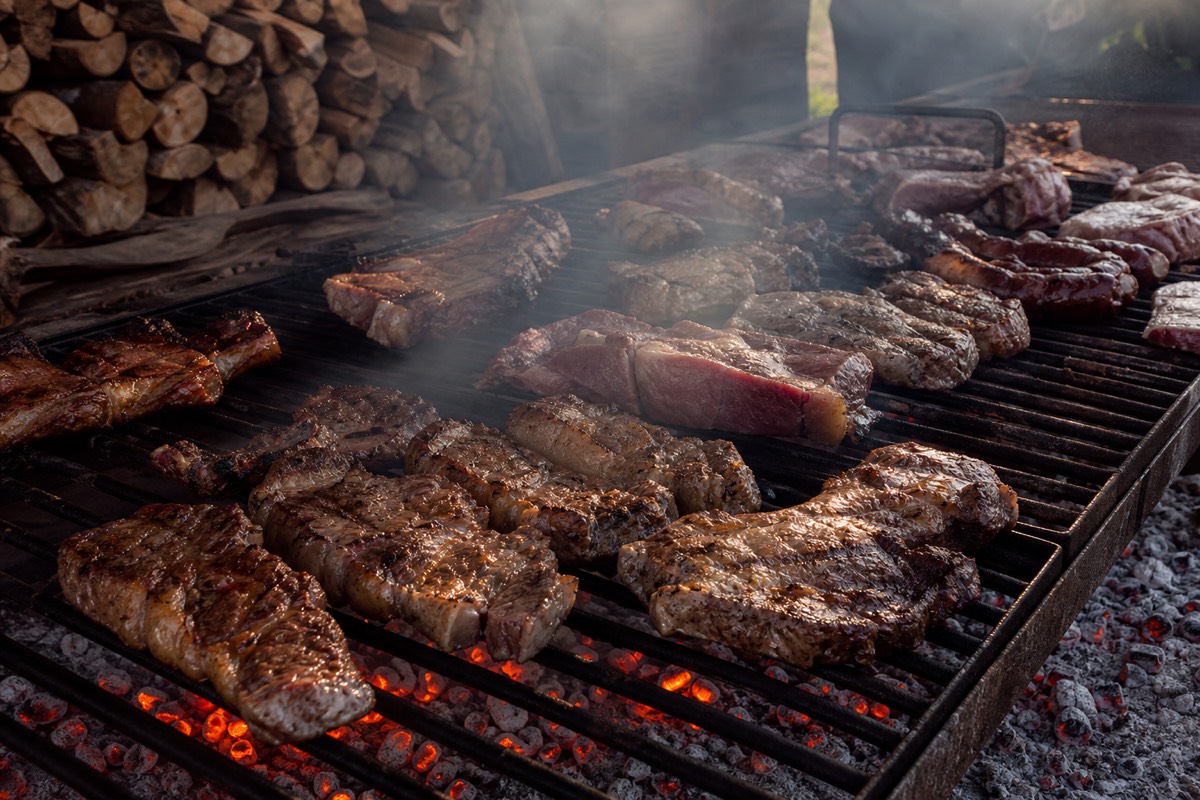
An Uruguayan asado is meat cooked slowly over glowing wood embers on an inclined iron grill called a parrilla, never over gas and, in the view of the country's official food guides, never over charcoal. The fire is lit beside the grill, burned down to embers, and raked underneath, so the meat cooks low and slow and keeps its juices. The ritual is run by a grill master, the asador, and doubles as a social event.
The scale of the tradition is measurable. Uruguay's national meat institute, INAC, put per capita bovine consumption at 50.2 kg in 2025, with total meat consumption of all kinds around 101.5 kg per person, among the highest figures recorded anywhere according to INAC's own consumption data. The national herd tells the same story from the other end: roughly 11.6 million cattle for a population of about 3.4 million people, a ratio of around 3.4 cows per resident.
That abundance explains the character of the asado. It is not a restaurant showpiece reserved for special occasions; it is a domestic habit. Families gather on weekends, someone takes the role of asador, and the meal stretches across an entire afternoon because the cooking itself is slow. Guests arrive while the fire is still burning down, talk while the ribs soften, and eat in waves as each cut comes off the grill. If you sit down at a parrilla expecting a quick steak dinner, you will be recalibrating within the first hour, and that is the point.
Why The Fire Matters More Than The Meat
What separates an Uruguayan asado from most backyard grilling is the heat source. The official Uruguayan food and travel guidance is blunt on this: cooking over charcoal is considered sacrilege. Wood is burned in a separate fire box until it collapses into embers, and only those embers, not open flame, ever touch the meat. The slow, moderate heat concentrates the juices instead of searing them off, which is why an asado de tira can spend a long stretch over the coals and still come out succulent rather than dried out.
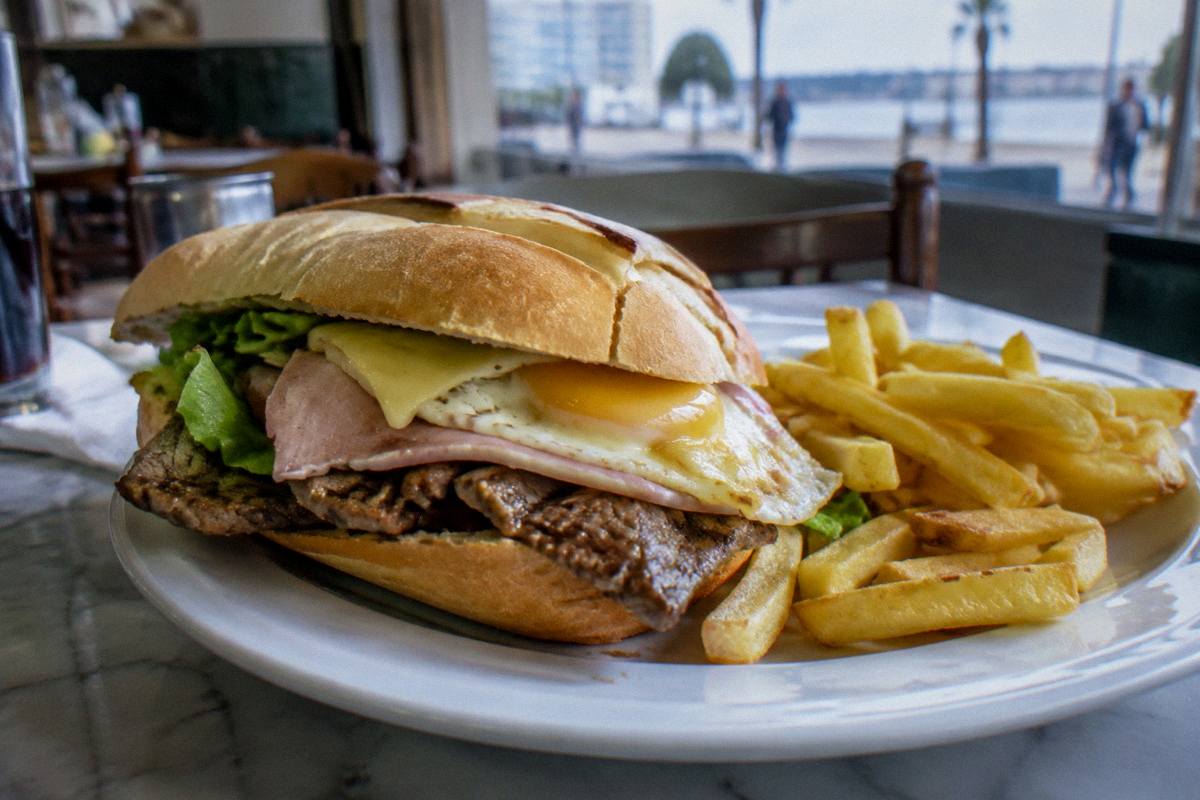
Beef culture in Uruguay extends well beyond the grill, which is worth knowing as a visitor because it explains the menus you will see everywhere. The chivito, the country's signature steak sandwich, was invented in 1946, or 1944 by some accounts, at El Mejillón bar in Punta del Este, when the owner, Antonio Carbonaro, substituted beef steak with ham in a bun for the goat meat a tourist had asked for. The sandwich became a national icon, and it appears on parrilla menus as a lighter alternative to the full mixed grill. Our rundown of the foods Montevideo is known for covers the rest of the local repertoire, from empanadas to dulce de leche.
The Parrilla, The Wood And The Asador
The parrilla is an iron grill, usually built on an incline, with a brasero, a separate fire box, beside it where the wood burns down to embers. The asador, also called the parrillero, manages the whole sequence: building the fire, judging when the embers are ready, moving them beneath the grill, and rotating cuts according to thickness and fat. It is a position of honor, closer to host than to hired cook.

The incline of the grill is not decorative. Because the grate slopes, the asador can place each cut closer to or further from the embers depending on how much heat it needs, and can move things around as the fire settles. A fat-capped vacío can sit in the hottest zone and render slowly, while a thin entraña gets a brief turn further from the coals. The brasero keeps producing new embers throughout the meal, so the heat can be refreshed without ever exposing the meat to flame.
The asador's social role is as important as the technical one. In a home asado, this person is effectively the host of the afternoon: they decide when everyone eats, they carve and distribute, and they absorb a steady stream of commentary and requests from the circle around the grill. Accepting or being assigned the role is a small honor. In restaurants, the same logic plays out in public, which is why the best seats at a market parrilla are the ones with a view of the fire.
How The Sequence Runs
| Stage | What Happens |
|---|---|
| The fire | Wood is lit in the brasero well before any meat appears; the asador waits for flames to collapse into embers. |
| Embers under the grate | Hot embers are raked beneath the inclined parrilla; the heat is adjusted all afternoon as new embers form. |
| The first round | Chorizo, morcilla and offal such as mollejas and riñón commonly go on first and come off first, served as the opening course. |
| The large cuts | Asado de tira, vacío, entraña and colita de cuadril take the long, slow stretch on the main grate. |
| Serving in waves | Food reaches the table in rounds rather than all at once, with the asador carving and distributing each round. |
Two practical takeaways for travelers. First, an asado is not fast food under any circumstances, so build your afternoon around it rather than squeezing it between sights. Second, the wave structure means you do not need to order everything at once; the opening sausages and offal arrive while the big cuts are still working, and the meal reveals itself over hours. Restaurants compress this somewhat, but the rhythm survives even indoors.
Cuts To Order
The core beef cuts to know are asado de tira, cross-cut short ribs on the bone; vacío, a long flat flank cut with a fat cap; entraña, skirt steak, intensely beefy and quick-cooking; and colita de cuadril, a tender tri-tip from the rump area. Around them rotate chorizo sausage, morcilla blood sausage, offal such as molleja sweetbreads and riñón kidney, and provoleta, grilled provolone cheese with oregano.
Restaurant menus in Montevideo usually give you two ways to order: individual cuts by weight, or a mixed parrillada for the table that arrives on a small brazier keeping everything warm. For a first asado, the mixed grill is the better education, because you taste the full range in one sitting and can identify which cuts you want to order individually next time. For groups with mixed appetites, individual cuts let cautious eaters stick to colita de cuadril while the adventurous work through the offal.
| Cut | What It Is | Order It If |
|---|---|---|
| Asado de tira | Cross-cut short ribs including the bone; the most traditional cut on the grill. | You want the full, fatty, slow-cooked asado flavor. |
| Vacío | Flank or thin flank steak, a long flat cut with a fat cap that renders as it cooks. | You like juicy meat with texture rather than uniform tenderness. |
| Entraña | Skirt steak, thick or thin; intensely beefy and one of the quicker cuts. | You prefer a stronger, more concentrated beef taste. |
| Colita de cuadril | Tri-tip or rump cap from the sirloin area; the tender option among the large cuts. | You want tenderness above all, or you are easing into asado. |
| Chorizo | Pork or beef sausage, grilled as a standard part of the mixed asado. | You want a safe, familiar opener while the beef finishes. |
| Morcilla | Blood sausage, often with a sweet note from added ingredients. | You enjoy rich, assertive flavors; it divides tables. |
| Molleja | Sweetbreads, the thymus gland; delicate offal. | You are curious about the offal course Uruguayans love. |
| Riñón | Kidney, the boldest of the common offal cuts. | Only if you already know you like kidney. |
| Provoleta | Grilled provolone cheese, often with oregano. | You want a hot starter, or you do not eat meat. |
Reading The Menu Like A Local
A few ordering habits will make the experience smoother. Provoleta is treated as a starter, so ask for it first rather than alongside the beef. Offal arrives early in the meal, so if mollejas are on your list, do not wait until the ribs arrive to mention it. And if you are unsure how much to order, ask the waiter for guidance by weight rather than guessing; parrilla staff do this arithmetic all day and will steer a table of two away from a portion sized for six. Portions in Uruguay run generous, and the meat is the centerpiece of the meal, with salads and bread playing supporting roles.
For travelers who find the full asado intimidating, the chivito is the sensible entry point: the same beef culture compressed into a bun, with ham and fixings added. It was born by accident at El Mejillón in Punta del Este in 1946, and it remains the everyday lunch version of Uruguay's beef obsession. Many parrilla restaurants list one, so a table can split between a mixed grill for the enthusiasts and a chivito for the cautious.
Where To Eat Asado In Montevideo
The classic first stop is Mercado del Puerto, the 1868 iron-structured market in Ciudad Vieja, where parrilla stalls including El Palenque, Cabaña Verónica and Estancia del Puerto grill in view of the tables and the atmosphere peaks at lunch. For a more neighborhood experience, La Pulpería in Punta Carretas serves dinner only, La Otra in Pocitos runs lunch and dinner daily, and García offers a more upscale take in Punta Carretas and Carrasco. Hours shift, so confirm on the day.
Mercado del Puerto deserves its fame, and its building is part of the draw. The market opened in 1868 inside an iron structure manufactured in Liverpool, England, in the workshops of Union Foundry under engineer R.H. Mesures, with masonry by Eugenio Penot, and that same iron skeleton still houses the grills today, as the market's own history pages recount. It opens daily around 10:00 and winds down between 17:00 and 18:00, but the real action is the lunch window, roughly 12:00 to 15:00, when the parrillas are at full tilt and the smoke hangs under the roof. Weekends, especially Sundays, and cruise ship days are the busiest; weekdays are calmer. Our full guide to Mercado del Puerto and Montevideo's markets covers the stalls in more depth, and our Ciudad Vieja walking guide helps you build the rest of the day around the meal.
One drink to know before you sit down: medio y medio, a mix of dry white wine and sweet sparkling wine that was popularized at Bar Roldós in the market in the late 19th century and remains the standard Mercado del Puerto pairing. Order it by name at any stall. If you are arriving off a ship, our Montevideo cruise port guide notes how the market fits into a shore day, since it sits within easy reach of the terminal.
| Venue | Area | What To Know |
|---|---|---|
| El Palenque | Mercado del Puerto, Ciudad Vieja | Open daily from around 11:30 into the early evening; a reliable market anchor for a first asado. |
| Cabaña Verónica | Mercado del Puerto, stall 038 | A famous market stall and the venue for a bookable asado lunch voucher. |
| Estancia del Puerto | Mercado del Puerto, Ciudad Vieja | Another long-running market parrilla in the same iron hall. |
| La Pulpería | Punta Carretas, Lagunillas 448 | Dinner only; a popular neighborhood parrilla away from the tourist core. |
| La Otra | Pocitos, Tomás Diago 758 | Open daily for both lunch and dinner; handy if you are staying near the beach. |
| García | Punta Carretas and Carrasco locations | The upscale option in this set, for a more refined parrilla dinner. |
Beyond The Old City
The neighborhood parrillas are where you see asado as Uruguayans actually live with it. La Pulpería in Punta Carretas opens for dinner only, which fits the local pattern of eating late, and it draws a largely local crowd. La Otra in Pocitos serves both services daily, which makes it the practical choice if your schedule does not revolve around a long lunch. García, with locations in Punta Carretas and Carrasco, leans upscale, closer to a steakhouse treatment of the same tradition. All parrilla hours are approximate and worth verifying on the day, since they shift with the season and the day of the week.
If you want the market experience locked in before you arrive, there is a bookable Asado Lunch At Mercado Del Puerto option that seats you at Cabaña Verónica with a starter, a beef main with sides, dessert and a specified drink included. The voucher is valid for one day, so confirm your meal time before you go; a vegetarian option is listed, but the product is not suitable for travelers with food allergies. Transfers and extras are excluded. For a broader shortlist across cuisines and price points, our guide to the best restaurants in Montevideo places these parrillas in context.
Asado On A Food Or Wine Tour
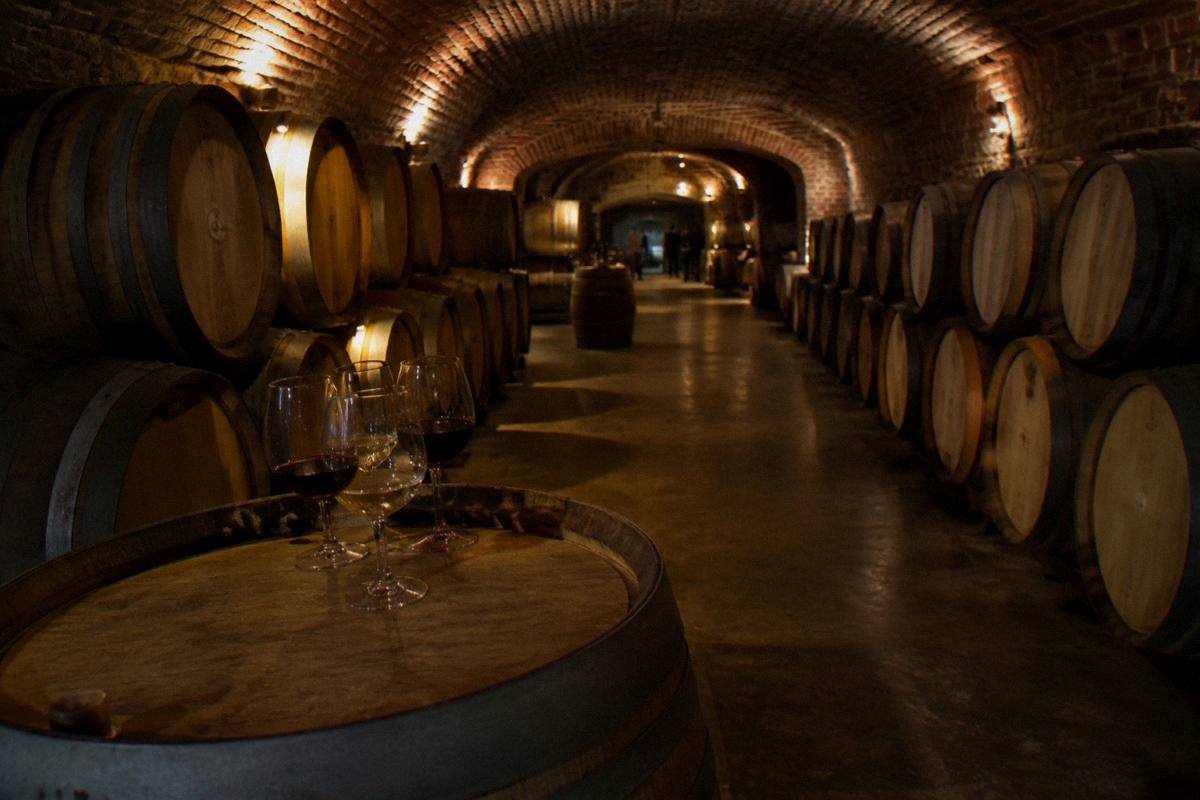
If you would rather have the asado explained than merely served, a handful of bookable experiences deliver it with context. The Discover Montevideo street food tour walks you through chivito and mate culture with a local guide, the Wine Lovers Delight countryside lunch pairs a grass-fed meat course with Tannat at a family winery, and the Bodega Santa Rosa private tour adds Uruguay's largest barrel cellars to the table. The street food tour starts from around US$66.
| Experience | From Price | The Meat Angle | Who It Suits |
|---|---|---|---|
| Discover Montevideo Street Food Tour | From US$66 | Chivito, the beef-sandwich cousin of the asado, plus mate in the Old City. | Walkers who want street-level food context. |
| Wine Lovers Delight Countryside Lunch | From US$220 | A three-course lunch with a grass-fed meat main, matched with Tannat. | Travelers who want wine first, meat second. |
| Bodega Santa Rosa Private Tour | From US$86 | Winemaker-led tastings and lunch at a family bodega with historic cellars. | Wine and history lovers, small groups. |
| Asado Lunch At Mercado Del Puerto | Live price on the operator's listing | Fixed-menu parrilla lunch at Cabaña Verónica in the market. | Visitors short on time in the Old City. |
| Private Uruguayan Cooking Class | Live price on the operator's listing | Cook Uruguayan dishes such as chivito with a local chef, then eat your work. | Hands-on travelers, adults 18 and over. |
The Discover Montevideo street food tour with a real local guide is the most direct cultural route in, even though the asado itself is not the focus. The chivito is the headline meat stop, and the tour folds in mate, the shared gourd ritual that occupies the other side of Uruguayan social life. Asking your guide about mate etiquette is genuinely useful, because the rules, from who pours to when to say gracias, are strict and invisible to outsiders. Our guide to Uruguayan mate covers the basics if you want to prepare in advance. The tour runs about three hours, is fully wheelchair and stroller accessible, and carries a 4.3 rating across 402 reviews.
For the full meat-and-fire experience outside the city, the Wine Lovers Delight countryside lunch with premium tastings is the strongest pick. It visits an award-winning family winery, walks you through the production process, and then sits you down to a three-course lunch featuring empanadas and Uruguayan specialties, including a grass-fed meat main, each course matched with selected wines built around Tannat, the country's signature red. Groups max out at 14 travelers, and the tour holds a 5 rating across a large volume of bookings, so it books out on peak days. If you are weighing bodega options generally, our comparison of Montevideo winery tours breaks down the trade-offs.
The Bodega Santa Rosa private tour with Famiglia Passadore tastings and lunch takes a different angle: history. You get a welcome drink in the park, coffee in winter or a medio y medio in summer, the same drink the market made famous, then the winemaker's family story, a walk through the Tannat vineyard, a production plant with a 1930s concrete tank, the largest barrel cellars in Uruguay, a sparkling wine cave, and a museum holding bottles from 1967 and 1978. The tasting circuit runs to seven wines, including house specialties in Sherry-style and natural sparkling that few other Uruguayan bodegas pour. Note that the historic site is not suitable for wheelchair users, and you should arrange your transfer in advance.
Finally, for travelers who want to cook rather than watch, the Private Uruguayan Cooking Class runs three hours at a fixed address on Juan Paullier 1410, in English or Spanish, with ingredients, equipment, tasting and recipes included. You prepare dishes such as chivito with a local chef and then eat what you have made, and the dishes and any dietary needs are agreed with the chef beforehand. It is restricted to adults 18 and over, which makes it a better fit for couples and friend groups than for families with young children.