What Food Is Montevideo Known For?
The Mercado del Puerto opened in 1868 as a working market. What survives inside it now is a hall of open coal grills, and standing in the doorway at one in the afternoon tells you more about Uruguayan food than any menu will.
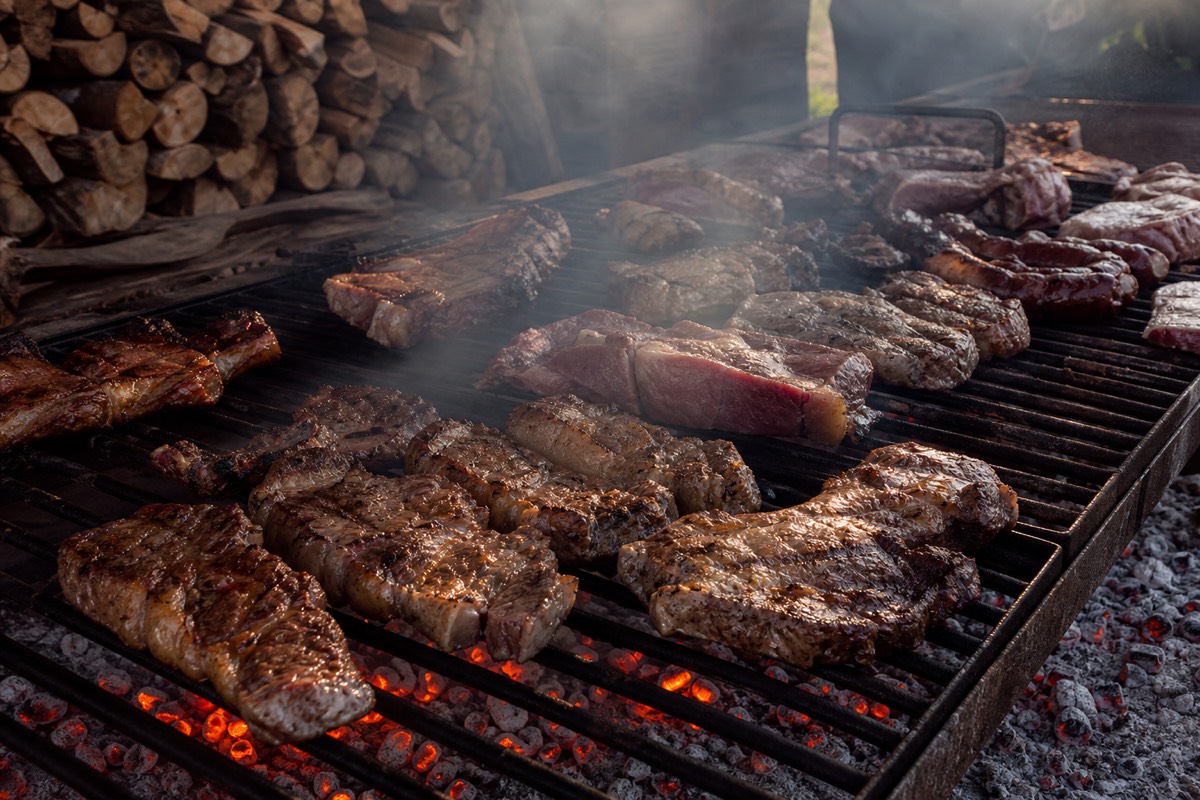
Montevideo is known for beef cooked over wood, the chivito sandwich, Tannat wine and mate. Add empanadas, dulce de leche and the sparkling wine blend called medio y medio, and you have most of the city's food identity.
Start with the dishes that define the city, then decide whether you want a tasting walk, a parrilla meal or a hands-on class.
Booking Shortlist: Private Street Food Walk With Five Tastings. Try savory bites, sweet treats and mate while a private guide introduces the old town.
Uruguayan cooking is not elaborate. It is a small country with excellent beef, an Italian and Spanish immigrant heritage, and a strong preference for doing simple things slowly. The grill is the centre of it, and almost everything else orbits that.
What Is A Chivito, And Why Does Everyone Mention It?
The chivito is Uruguay's national sandwich: grilled beef, ham, mozzarella, a fried egg and salad layered into a bun, usually with fries alongside. It is the single dish most associated with the country.
The name means "little goat", which it contains none of, a naming accident that Uruguayans enjoy explaining. The beef is a thin steak rather than a patty, which is what separates it from a burger. Versions vary: some add bacon, olives or roasted red pepper, and the chivito al plato drops the bread and serves everything on a plate.
It is sold everywhere from bus-station counters to sit-down restaurants, and quality varies as widely as the price. A good one uses proper steak and a bun that holds together. The street food walking tour of Ciudad Vieja, around $66, includes chivito alongside empanadas, sweet snacks and mate, with a local guide who knows which counters are worth the calories.
How Central Is Asado To Eating Here?
Completely. Asado is beef and offal cooked slowly over wood embers on a parrilla, and it is both the national dish and the standard weekend social event.
The technique matters more than the recipe. Wood burns down to coals, coals are moved under the grill by hand, and the meat cooks slowly enough that nothing is rushed. Cuts to know: asado de tira, the crosscut short rib; vacío, flank; entraña, skirt. Chorizo and morcilla usually come first, and a provoleta, a disc of grilled provolone, often arrives before the meat.
The Mercado del Puerto is where visitors meet it. The 1868 iron market hall near the port is now lined with parrillas working full-tilt at lunchtime, and the smoke, noise and heat are a large part of the appeal. It is touristy, and it is still genuinely good. For where else to eat across the city, our Montevideo restaurants guide goes neighbourhood by neighbourhood.
What Should You Drink With All That Beef?
Tannat. It is Uruguay's signature red grape, grown mainly in the Canelones region just outside Montevideo, and it is dark, tannic and built for grilled meat.
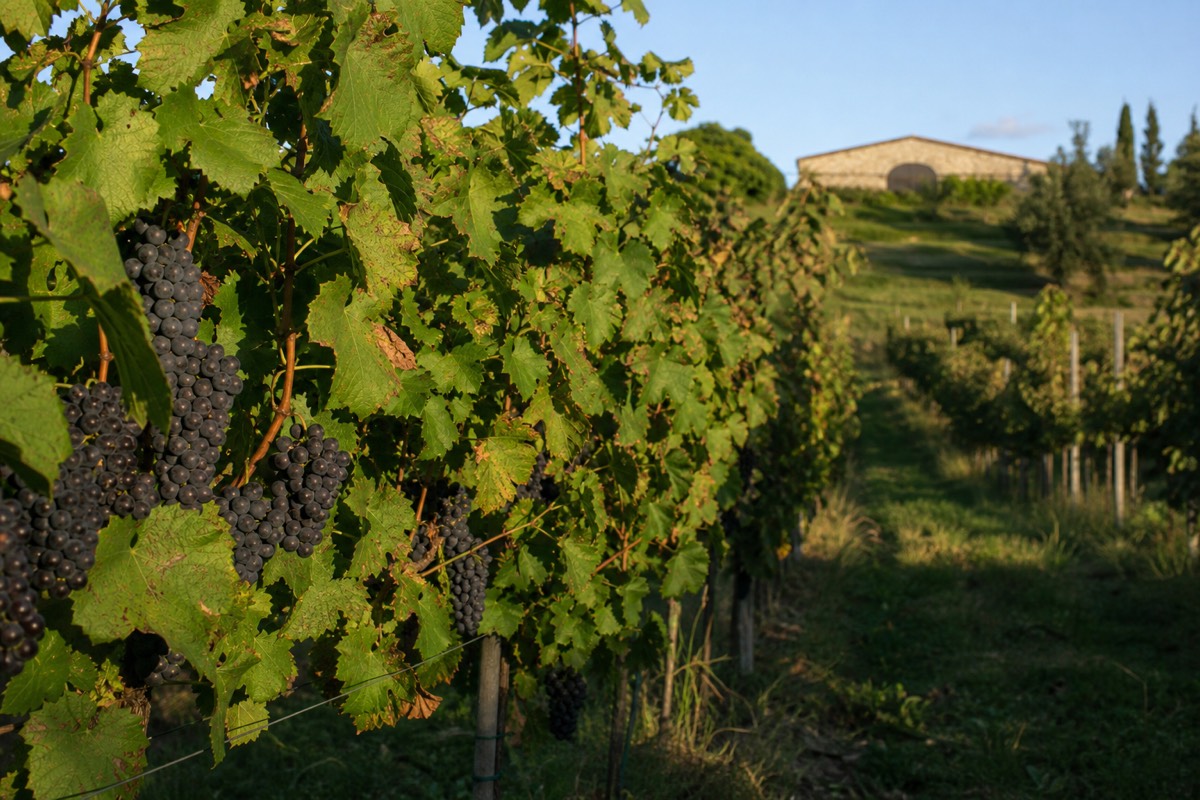
Tannat arrived with Basque immigrants in the nineteenth century and found conditions it liked better than the ones it left. Uruguayan producers are small, mostly family-run, and many sit within 30 to 40 minutes of the city, which makes wine country a genuine half-day rather than an expedition.
The Bouza winery tasting with tapas runs from around $95 with hotel pickup, four wines and a classic car collection nobody expects. For a longer, more indulgent version, Wine Lovers Delight pairs premium tastings with a countryside lunch at an award-winning family estate. Both are small-group. Prices move, so check the live listing.
The other drink to know is medio y medio, a blend of sparkling and white wine served cold, traditionally associated with the Mercado del Puerto and poured as a summer welcome at wineries around the city.
What About Mate?
Mate is not a drink you order, it is a habit you observe. Uruguayans carry a gourd and a thermos of hot water almost everywhere, and consumption per person here is among the highest anywhere.
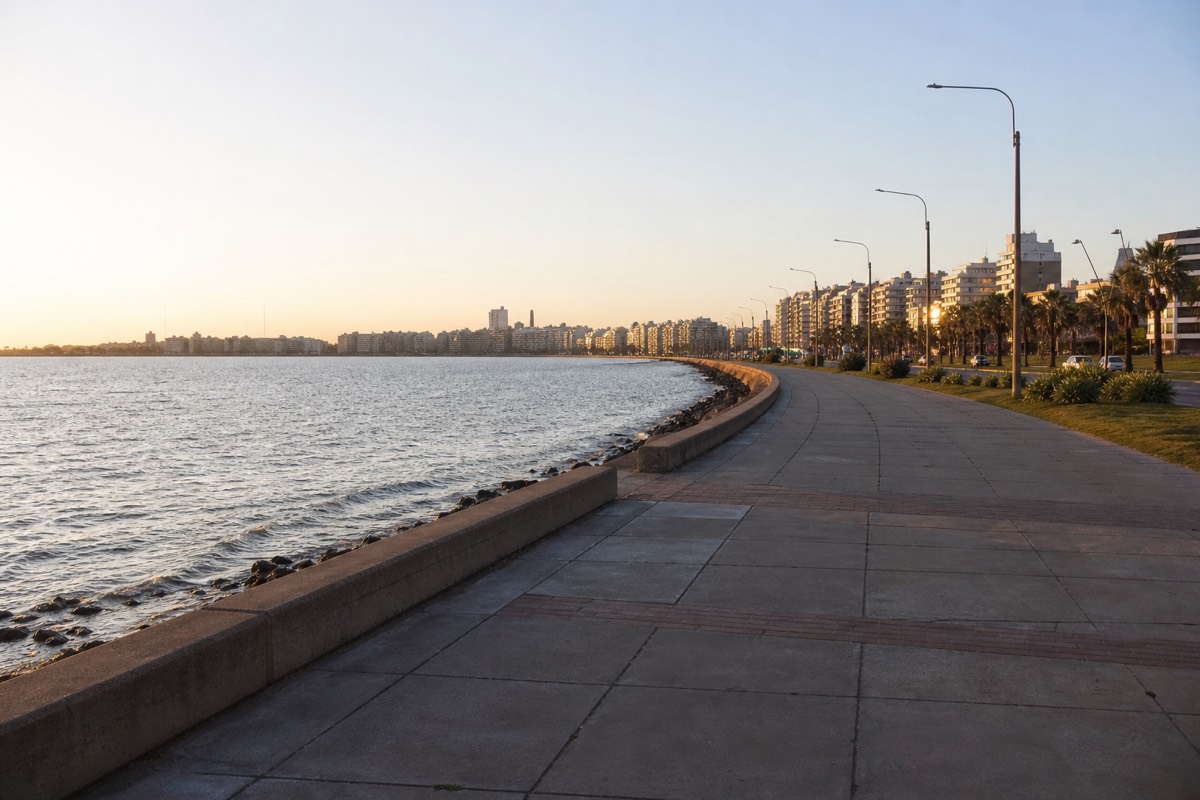
You will see it on the Rambla, in queues, in cars, at work. It is shared: one gourd, one metal straw, passed around a group in turn, refilled by whoever brought the thermos. If you are offered it, drinking from the same straw is the correct move and refusing on hygiene grounds is the wrong one.
Food tours generally include a mate tasting because the ritual explains more about Uruguayan social life than the flavour does. It is bitter, herbal and takes a few rounds to appreciate.
When Do Uruguayans Actually Eat?
Later than most visitors expect. Lunch runs from around one in the afternoon, dinner rarely starts before nine, and a restaurant that looks empty at eight will be full by ten.
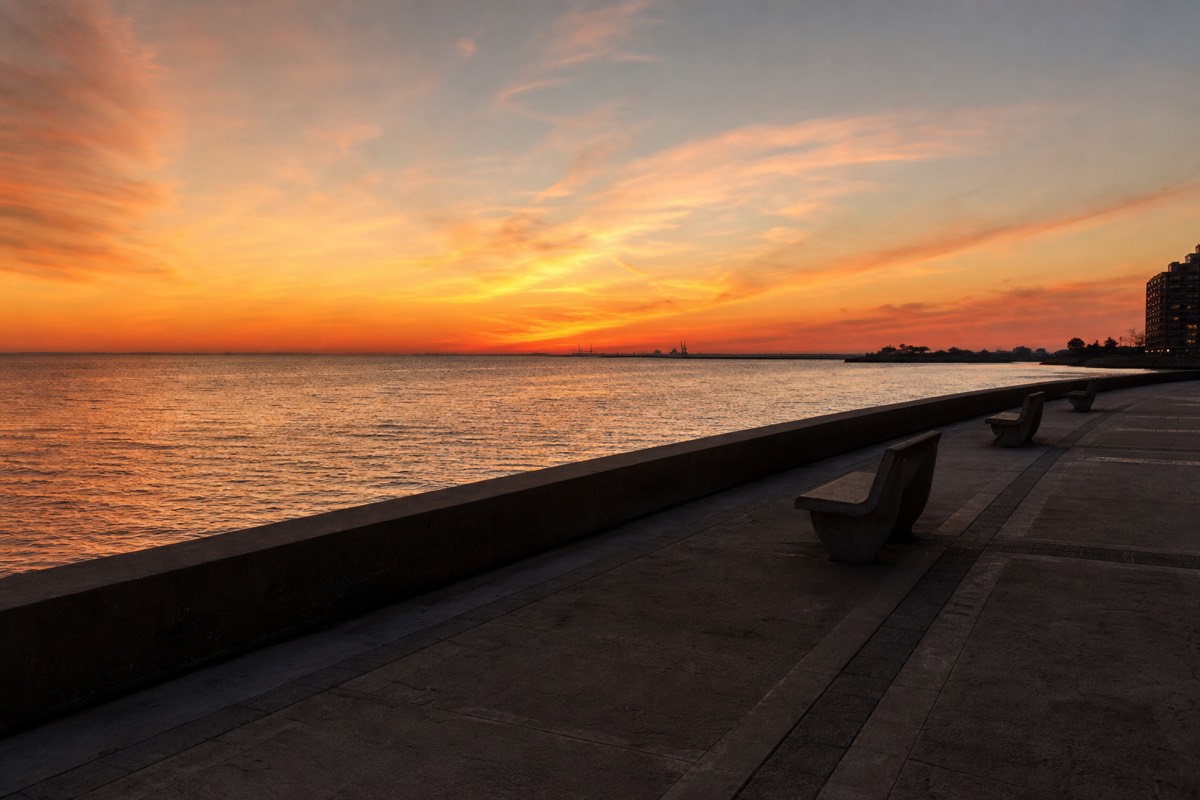
This catches people out, particularly on a first night. Arriving at a parrilla at seven usually means an empty room and a kitchen that has not properly started. The upside is that an early booking is easy to get, and that the merienda, the late-afternoon coffee and pastry stop, fills the long gap between meals.
The other timing note is Sunday. Asado at home is the standard Sunday event, which means fewer restaurants open and a quieter city than a Saturday. The Mercado del Puerto grills generally keep going, and the Sunday markets, above all the long street market at Tristán Narvaja, are worth building a morning around.
What Else Turns Up On A Uruguayan Table?
Empanadas, milanesa, dulce de leche and pastries from the Italian and Spanish immigrant kitchen fill the gaps between grill meals.
Milanesa, the breaded cutlet, appears in every café, often as a milanesa al pan sandwich. Empanadas are baked more often than fried, with beef, ham and cheese, or humita fillings. Dulce de leche goes into almost every dessert, most notably the alfajor, and there is a national argument with Argentina about who does it better that visitors are wise to stay out of.
Pizza and fainá, a chickpea flatbread of Genoese origin served in a slice on top of the pizza, is a River Plate combination worth trying once. You can see all our food walks, wine days and city tours on the Montevideo tours page.