Montevideo Markets: Mercado Del Puerto, MAM And Tristán Narvaja
Montevideo's iron-framed Mercado del Puerto has been grilling beef over wood embers since 1868, and its structure was manufactured in Liverpool before being shipped across the Atlantic. The city pairs it with two very different market experiences: the 1913 Mercado Agrícola, restored and reopened in 2013, and the sprawling Sunday feria on Tristán Narvaja, running since 1909. Together they cover asado, produce, antiques and souvenirs in one weekend.
Mercado Del Puerto: Parrillas Under The Iron Roof
Mercado del Puerto is Montevideo's historic meat market, opened in 1868 with an iron structure manufactured in Liverpool, England, and shipped to Uruguay for assembly; today it functions mainly as a cluster of parrilla restaurants serving asado de tira, vacío, chorizo, morcilla and chivito from roughly 10:00 to late afternoon, with the busiest stretch at lunch between about 12:00 and 15:00.
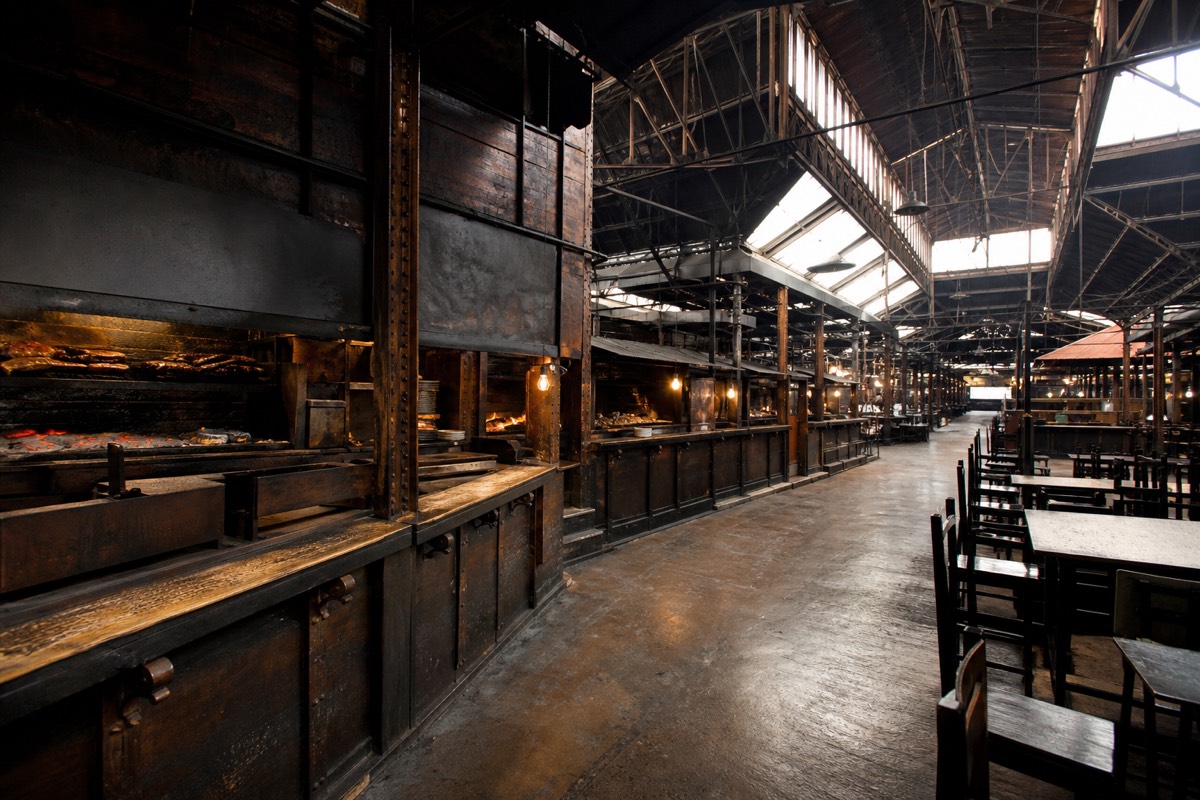
The market stands at Rambla 25 de Agosto de 1825 and Pérez Castellano in Ciudad Vieja, a short walk from the cruise port and Independence Square. The building itself is the first thing most visitors notice: a soaring iron skeleton of cerchas, pilares and cubierta produced in the workshops of Union Foundry / K.T. Parkin in Liverpool under the supervision of engineer R.H. Mesures, with masonry work by Eugenio Penot. It is one of the great surviving cast-iron market halls of the 19th century, in the same family as the iron pavilions of Paris and the market halls of colonial port cities, and it predates most of the buildings around it in the Old City. You can read more about the surrounding neighborhood in our Ciudad Vieja historic center guide.
What The Parrillas Actually Serve
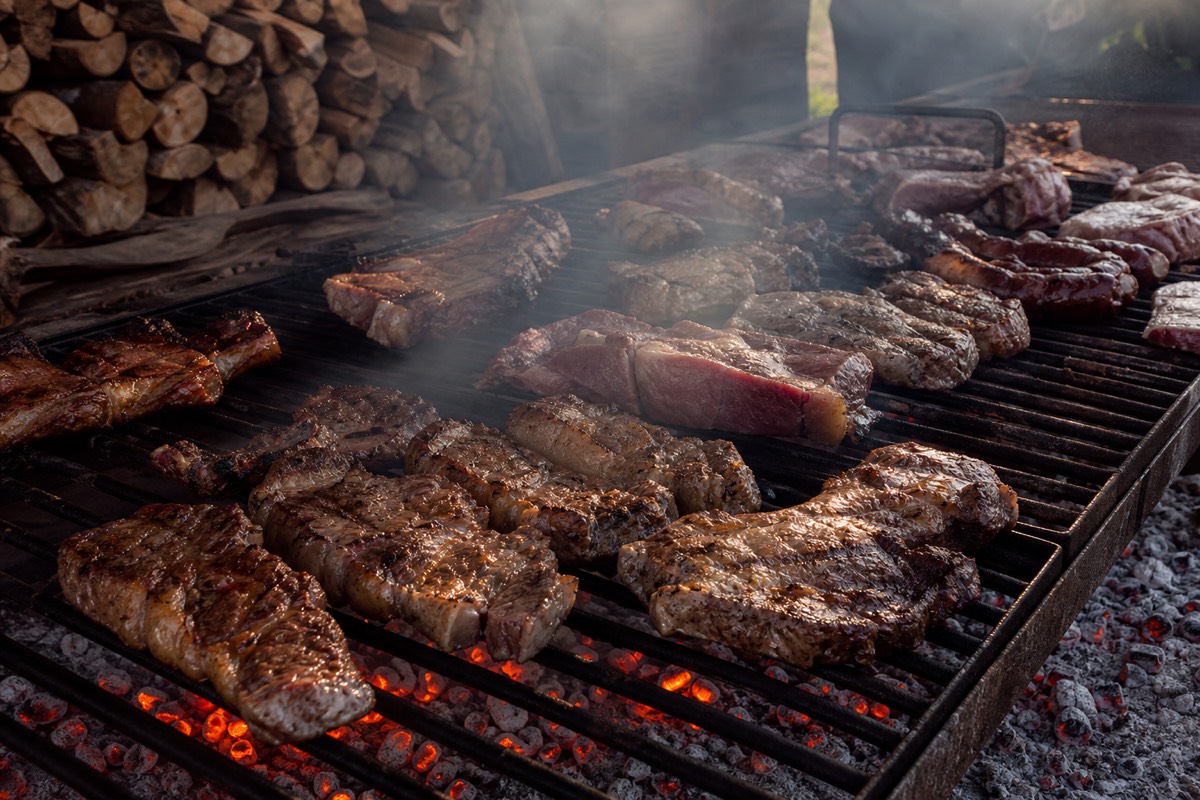
Inside, the stalls are parrillas: open grills stacked with beef, sausages and offal, tended by asadores who work over wood fire and embers rather than gas. That detail matters more than it sounds. Uruguay's official asado guidance treats charcoal as a compromise and gas as sacrilege; the proper method is a brasero generating embers that are raked under an inclined parrilla, so the meat cooks slowly and keeps its juices. The cuts you will see hanging and grilling are the classic Uruguayan repertoire: asado de tira (cross-cut short ribs on the bone), vacío (flank with its fat cap), entraña (skirt steak), colita de cuadril (rump cap), chorizo, morcilla (blood sausage), mollejas (sweetbreads) and provoleta, a slab of provolone grilled with oregano until it blisters.
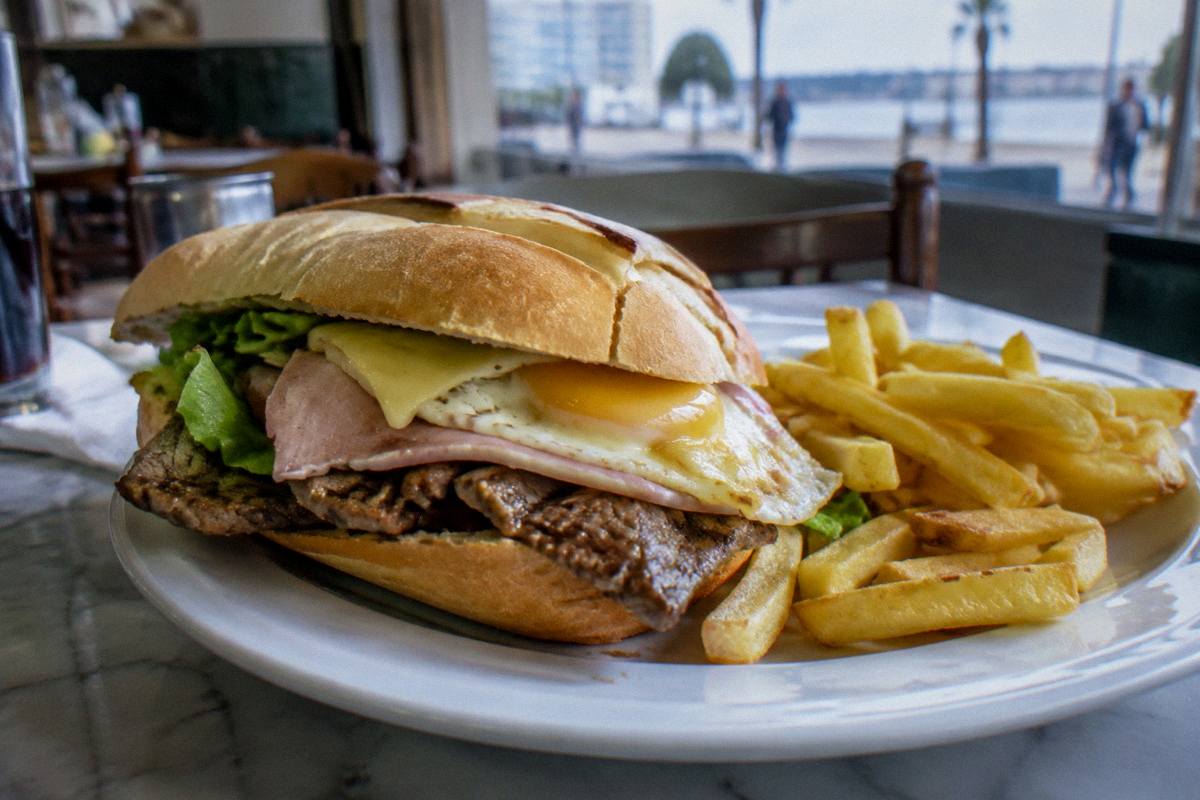
Most stalls sell mixed grills or platters designed for sharing, and a chivito al plato, the plated version of Uruguay's national sandwich, is a safe order if you are eating alone. The chivito itself has a documented origin: it was invented in 1946 (some sources say 1944) at El Mejillón bar in Punta del Este by Antonio Carbonaro, when a tourist asked for goat and he substituted beef steak with ham in a bun. For more on how the asado ritual works, see our guide to the Uruguayan asado.
Named parrillas inside the market include El Palenque, generally open daily from around 11:30 into the evening, Cabaña Verónica at stall 038, and Estancia del Puerto. If you want the experience without the risk of a long wait on a busy day, there is a bookable Asado Lunch At Mercado Del Puerto product: a prepaid lunch at Cabaña Verónica inside the port market, with a starter, a beef main with sides, dessert and a specified drink included. Transfers and extras are excluded, the voucher is valid one day, and it is not suitable for food allergies, so confirm your meal time when booking.
Medio Y Medio And The Market's Other Ritual
The market's signature drink is the medio y medio, a mix of dry white wine and sweet sparkling wine, usually moscato. It was popularized at Bar Roldós inside the market in the late 19th century and remains the standard accompaniment to a parrilla lunch here. Half dry, half sweet, it is lighter than it sounds and dangerously easy to drink on a warm afternoon. If you prefer wine, Uruguay's Tannat is the local red to ask for.
Timing shapes the whole visit. Weekdays are calmer and you can often walk into any stall. Weekends, especially Sundays, bring crowds of locals and tourists, and cruise ship days can fill the market by noon even midweek. If your visit is tied to a ship, our Montevideo cruise port guide explains how the walk from the terminal works. Arrive before 12:30 for a relaxed lunch on peak days, or come after 15:00 when tables free up again.
| Dish | What It Is | Who It Suits |
|---|---|---|
| Asado de tira | Cross-cut short ribs, bone in, slow-cooked over embers | Anyone wanting the classic Uruguayan cut |
| Vacío | Long flat flank cut with a fat cap, juicy and flavorful | Steak lovers who like a chewier, beefier bite |
| Mollejas | Sweetbreads, delicate offal | Adventurous eaters |
| Morcilla | Blood sausage, part of most mixed grills | Traditionalists; not for the squeamish |
| Provoleta | Grilled provolone with oregano | Vegetarians and cheese lovers |
| Chivito al plato | Plated version of the beef, ham and egg sandwich | Solo diners and pickier eaters |
Mercado Agrícola De Montevideo (MAM)
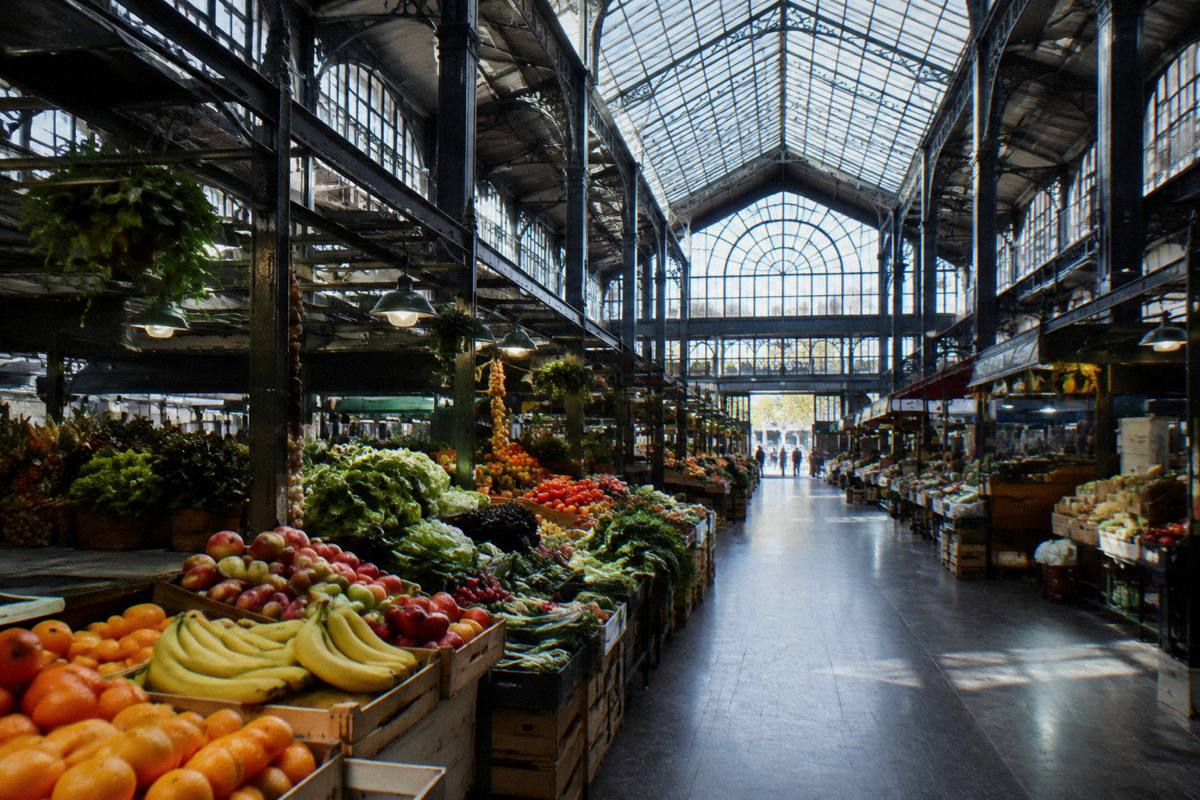
The Mercado Agrícola de Montevideo, known as MAM, opened in 1913 as the city's wholesale fruit and vegetable hub, fell into decline, and was restored and reopened in 2013 as a mixed market of produce stalls, butcheries, specialty food shops, restaurants, cafés and handicraft sellers, open daily from 9:00 to 22:00 with gastronomic venues running from 11:00 to 23:00.
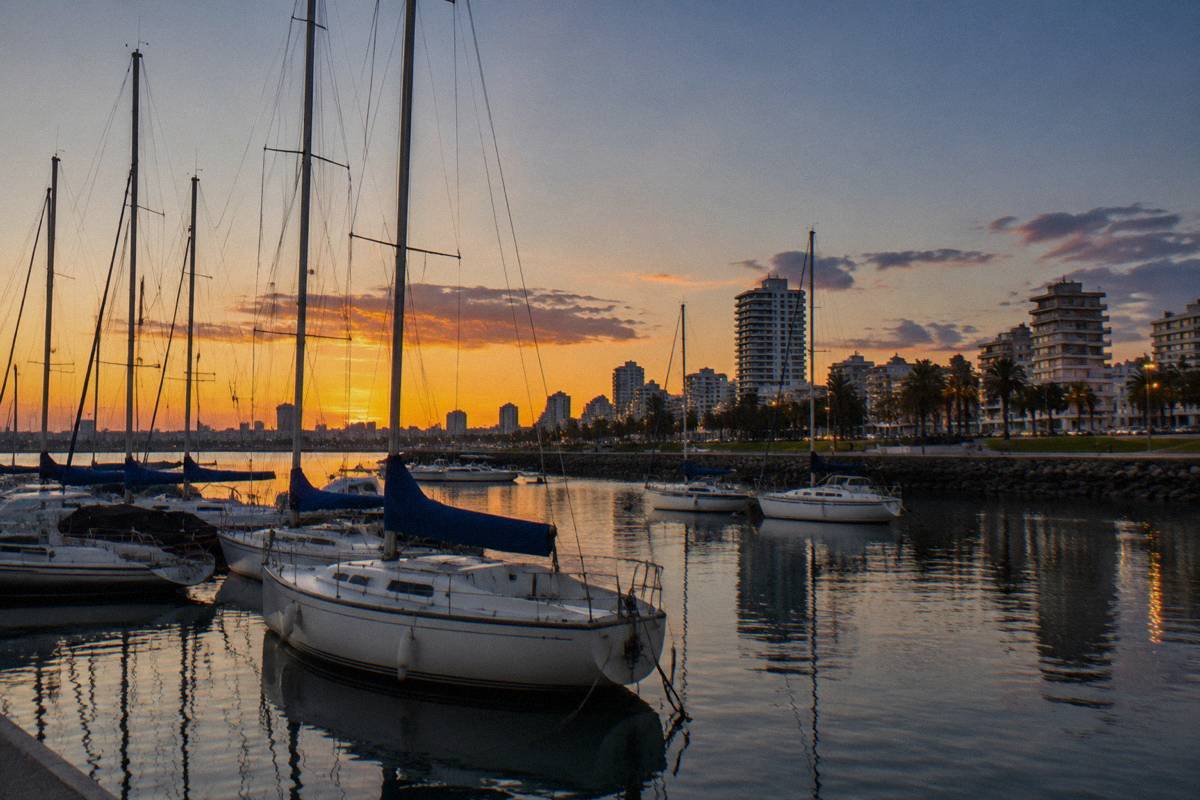
MAM sits at José L. Terra 2220 in the Aguada neighborhood, on the Goes / Villa Muñoz border, roughly a ten minute drive from Ciudad Vieja and a stop on the city's hop-on hop-off bus route. Where Mercado del Puerto is compact, theatrical and tourist-heavy, MAM is wide, bright and partly a local's market: families do their produce shopping here, office workers eat lunch here, and the shopping mix runs from fruit and vegetable stalls to butcheries, specialty foods, handicrafts and souvenir stands, plus service businesses around the edges.
The restoration is the story. For decades the 1913 hall was a fading wholesale market; the 2013 renovation kept the industrial bones and turned the building into a food-and-retail destination with a central atrium, mezzanine dining and event space. It is the most comfortable of the city's markets in bad weather, the easiest for families with strollers, and the best one for actually buying food to take home rather than eating on the spot.
What To Do With A Visit
A good MAM visit takes one to two hours. Browse the produce stalls for fruit you may not recognize, sample from the specialty food counters, and look at the handicraft stands for wool knits, mate gourds and leather goods before committing to anything in Ciudad Vieja. The mezzanine level holds restaurants and cafés covering everything from parrilla to sushi, and the gastronomic venues stay open until 23:00, which makes MAM one of the few markets in the city you can visit for dinner rather than lunch. Craft beer fans will find local brews on tap here, a contrast with the wine-and-asado identity of the port market.
If you are combining markets in one day, the natural pairing is Tristán Narvaja on a Sunday morning followed by MAM in the afternoon, since MAM's long hours absorb whatever the feria cannot offer by mid-afternoon. The Montevideo Classic Hop-On Hop-Off Bus Tour stops at the Mercado Agrícola, which makes it a practical option if you would rather not navigate buses yourself; the same tour also passes Mercado del Puerto's grills on its circuit.
| Feature | Mercado del Puerto | MAM |
|---|---|---|
| Opened | 1868 | 1913, restored 2013 |
| Hours | Roughly 10:00 to 17:00 or 18:00, varies by restaurant | Daily 9:00 to 22:00; dining 11:00 to 23:00 |
| Main draw | Parrilla lunch and the iron hall | Produce, specialty foods, crafts, varied dining |
| Crowd | Tourists and cruise passengers | Mixed locals and visitors |
| Best for dinner | Limited, most stalls close by early evening | Yes, gastronomic venues to 23:00 |
| Weather-proof | Mostly covered but tight | Fully covered, spacious |
Feria De Tristán Narvaja On Sundays
The Feria de Tristán Narvaja is a Sunday street market held on Tristán Narvaja street in the Cordón neighborhood since 1909, stretching over multiple blocks from Avenida 18 de Julio toward La Paz and spilling onto parallel and transverse streets, selling fruit and vegetables, antiques, used books, clothing, collectibles and second-hand goods from early morning until vendors pack up between roughly 14:00 and 16:00.
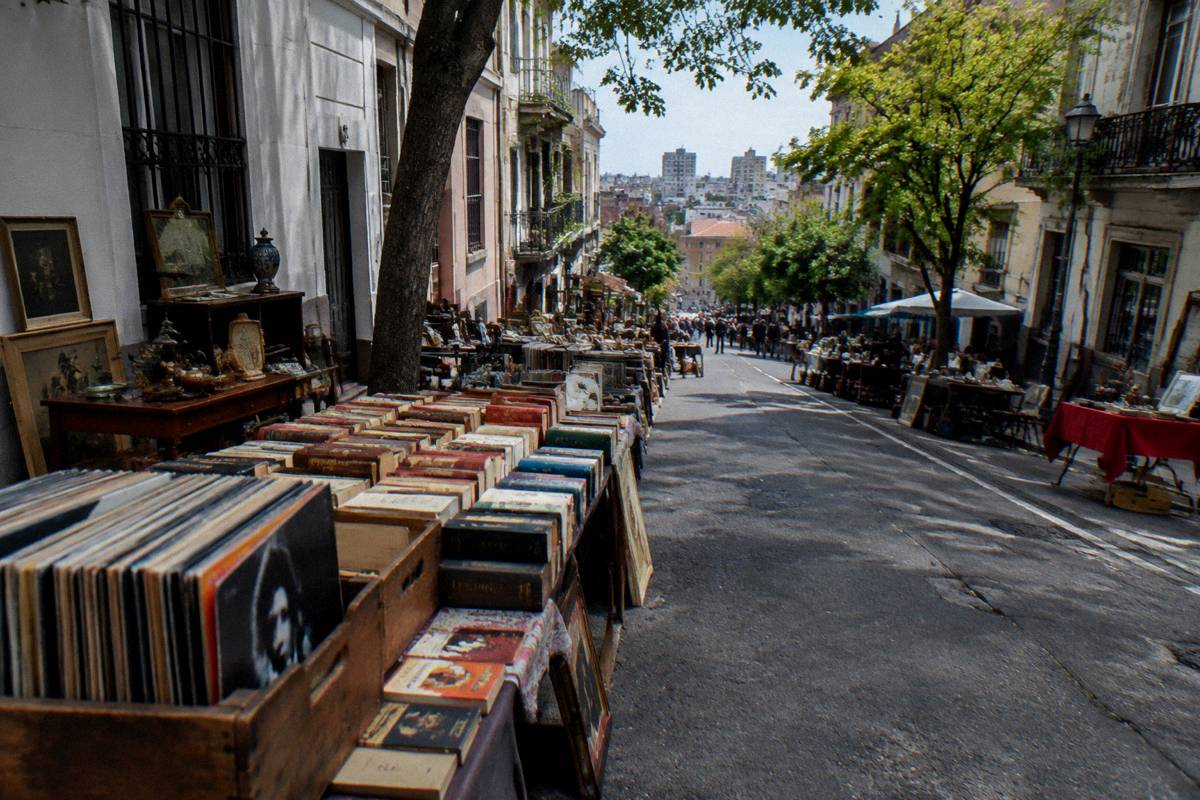
This is the market Montevideo residents actually live with. It began with agricultural market origins before settling on its current street in 1909, and it has kept the flea-market soul ever since. Estimates of its size range from about 8 blocks to 20 or more once you count the connected streets, which include Paysandú, Gaboto, Cerro Largo, Fernández Crespo and Minas. Do not plan a tight route; the feria is something you drift through.
The mix is the attraction. One block is crates of tomatoes, herbs and seasonal fruit at prices locals pay. The next is a row of tables with old cameras, vinyl records, mate gourds, tango sheet music, tools, spare parts and furniture in various states of repair. Booksellers lay out paperbacks in Spanish and occasionally other languages. There are clothes, household goods, crafts and collectibles of no obvious category. Haggling is normal for antiques and second-hand goods, less so for produce.
Timing It Right
Vendors set up from around 7:00 or 9:00 depending on the section. Serious antique hunters arrive before 10:00, when the best tables have not been picked over. Families and casual browsers come later, and the whole thing thins out between 14:00 and 16:00 as stallholders pack up. A Sunday in Montevideo is quiet elsewhere: many shops shut and the city center empties, which is exactly why the feria becomes the default morning plan for visitors. Our guide to the best time to visit Montevideo covers how Sundays fit into a longer trip, and the Montevideo itinerary guide builds a Sunday around the feria.
Practical notes: bring cash in small bills for produce and small purchases, wear comfortable shoes, and keep bags in front of you in the densest sections. The feria is generally relaxed, but any crowded street market warrants basic care, and our Montevideo safety guide goes into the usual precautions. If you want a break mid-visit, the Mercado Ferrando food hall at Chaná 2120 in the same Cordón neighborhood, a restored former Pablo Ferrando furniture factory reopened around 2017 with roughly 18 to 23 food stalls, is a short walk from parts of the feria and a good lunch stop.
| Time | What You Will Find |
|---|---|
| 7:00 to 9:00 | Vendors setting up; early produce sales begin |
| 9:00 to 11:00 | Best selection of antiques and collectibles before crowds build |
| 11:00 to 14:00 | Peak browsing, fullest street life, most food options nearby |
| 14:00 to 16:00 | Vendors packing up; bargains possible but selection shrinking fast |
What To Buy In Montevideo
The classic Uruguayan purchases are leather goods, wool knits and yarns, mate gourds with bombillas, dulce de leche, Tannat wines, and amethyst or agate gemstones and jewelry, and the best strategy is to match each item to the right venue: wool at Manos del Uruguay, mate gear and leather at the markets and ferias, Tannat at wineries or wine stores, and gemstones at reputable souvenir shops.
Manos del Uruguay deserves special mention. It is a non-profit cooperative founded in 1968 by rural Uruguayan women artisans who produce hand-knitted and woven wool garments, yarns, ponchos, ruanas and accessories, plus some wood and ceramic items, with the aim of supporting fair-trade rural livelihoods. Buying there is one of the few souvenir purchases where quality and provenance are guaranteed in the same transaction. The cooperative has stores in Montevideo including locations at Punta Carretas Shopping on José Ellauri and at Haedo 2187, among others.
Mate equipment is the other signature buy. A proper setup is a calabash or porongo gourd, a bombilla (the metal filtering straw), a bag of yerba and ideally a termo, the thermos Uruguayans carry everywhere to refill their mate on the street. Uruguay consumes roughly 8.5 to 10 kg of yerba per person per year, the highest rate in the world, so the gear sold here is made for daily use, not decoration. You can find gourds at Mercado del Puerto, at artisan shops in Ciudad Vieja or Pocitos, and at specialty stores. Before you buy, read our guide to Uruguayan mate for how the drink and its etiquette actually work, since a gourd needs curing before first use.
Leather goods, from jackets to wallets to belts, appear at the feria and in shops around Ciudad Vieja; quality varies enormously, so check stitching and lining before paying. Dulce de leche is sold in sealed jars that travel well. Tannat, Uruguay's flagship red grape, is best bought at wineries or established wine stores rather than market stalls, and our winery tours comparison covers which bodegas you can visit from the city. Amethyst and agate jewelry is widely available; buy from fixed shops rather than street tables if you care about authenticity.
One money note: non-residents pay no VAT on hotel lodging when showing a foreign passport, and there is a separate Tax Free regime for eligible retail purchases at participating stores, with forms completed at purchase and refunds processed at departure points such as Carrasco Airport or the Montevideo port. Ask whether a shop participates before you buy if the refund matters to you.
| Item | Best Place To Buy | Approximate Quality Range |
|---|---|---|
| Wool knits, yarns, ponchos | Manos del Uruguay stores | Consistent, fair-trade cooperative quality |
| Mate gourds and bombillas | Mercado del Puerto, artisan shops, specialty stores | Varies widely; check the bombilla filter |
| Leather goods | Feria Tristán Narvaja, Ciudad Vieja shops | Inspect stitching and lining |
| Dulce de leche | MAM specialty stalls, supermarkets | Sealed jars travel best |
| Tannat wines | Wineries, wine stores | Check vintage and cork quality |
| Amethyst and agate jewelry | Fixed souvenir shops | Prefer shops over street tables |
| Antiques and used books | Feria Tristán Narvaja, Sundays | Condition varies; haggle expected |
Market Days, Hours And Getting There
Mercado del Puerto opens daily around 10:00 with restaurants varying their closing times between roughly 17:00 and 18:00, MAM runs daily 9:00 to 22:00 with dining to 23:00, and the Feria de Tristán Narvaja happens only on Sundays from early morning until mid-afternoon, so the only real planning constraint is that the feria cannot be moved to another day.
Mercado del Puerto is the easiest to reach: it sits in Ciudad Vieja within walking distance of the cruise terminal, Independence Square and most Old City hotels, and the hop-on hop-off bus passes its grills. MAM at José L. Terra 2220 is a bus or short taxi ride from the center, and the hop-on hop-off route stops there too. The feria stretches along Tristán Narvaja from Avenida 18 de Julio toward La Paz, with the nearest sections a short walk or bus ride up 18 de Julio from the center; several city bus lines run along that avenue. Our practical guide to transport, currency and SIM cards covers buses and payment methods in detail.
Crowds follow a predictable pattern. Mercado del Puerto is busiest on weekends, especially Sundays, and on cruise ship days, when it can be standing-room-only at lunch. MAM absorbs weekend families but rarely feels crushed thanks to its size. The feria is by definition a Sunday phenomenon and is at its densest between 11:00 and 14:00. If you are in the city for only a weekend, do the feria in the morning and Mercado del Puerto or MAM in the afternoon; if you are here midweek, save Mercado del Puerto for a calmer weekday lunch and check whether any cruise ships are in port.
Two smaller markets round out the picture. The Feria de Villa Biarritz, in Parque Juan Zorrilla de San Martín in Punta Carretas near José Ellauri, runs on Tuesdays and Saturdays, with Saturdays the bigger and more varied day and Tuesdays more produce-focused; it sells crafts, clothing, accessories, fruit and vegetables. Mercado Ferrando at Chaná 2120 in Cordón is a modern food hall in a restored furniture factory, open through the week, with stalls covering parrilla, Mexican food, sushi, burgers, pizza and desserts. Neither requires the commitment of the big three, but both are useful fillers if your days do not line up with a Sunday.
| Market | Days | Hours | Nearest Area |
|---|---|---|---|
| Mercado del Puerto | Daily | ~10:00 to 17:00 or 18:00, varies by restaurant | Ciudad Vieja |
| MAM | Daily | 9:00 to 22:00; dining 11:00 to 23:00 | Aguada / Goes |
| Feria Tristán Narvaja | Sundays only | ~7:00 or 9:00 until 14:00 to 16:00 | Cordón |
| Feria de Villa Biarritz | Tuesdays and Saturdays | Daytime; Saturday is the main day | Punta Carretas |
| Mercado Ferrando | Weekly schedule, check on-site | Varies by stall; food hall hours apply | Cordón |
Seeing The Markets On A Food Tour
The most efficient way to eat through Montevideo's markets and street food is the Discover Montevideo Street Food Tour with a Real Local Guide, a roughly three-hour private walking tour from around $66 per person that covers empanadas, sweets and mate tea with historical and architectural commentary, rated 4.3 from 402 reviews.
A tour solves the two problems first-time visitors face at the markets: not knowing what to order, and not knowing what the food means. A local guide can walk you through a parrilla menu, explain which cuts are which, place the chivito in its historical context, and introduce the social etiquette of mate, which has real rules: the cebador prepares and refills, the gourd passes around the circle, you drink fully before returning it, and you only say gracias when you want to stop. Getting that wrong alone is easy; getting it right with a guide is part of the fun.
The street food tour meets at the FAUNA Montevideo building at Sarandí 287 in the Old City, and the team asks that you arrive about five minutes early to maximize the three-hour window. The tour is fully wheelchair and stroller accessible, and the private format means the pace adjusts to your energy and interests; guides are noted as informative, flexible and friendly, and you can tell them in advance if you want more history or more sweets. The chivito is consistently flagged as the culinary highlight, and trying it in the Old City is considered the more authentic setting.
Two other options pair well with market visits. The Best Half-Day Montevideo City Sightseeing Tour, a small-group tour capped at 16 people from around $35, rated 4.8 by its guests, includes a stop with roughly a 40-minute break at the Agricultural Market, enough time to buy dulce de leche or craft goods, and cruise passengers can meet at the Ministry of Tourism at the port exit. If you would rather cook than eat, the Private Uruguayan Cooking Class is a three-hour private class at Juan Paullier 1410, in English or Spanish, where you prepare dishes such as chivito with a local chef and then sit down to taste what you made; ingredients, equipment, tasting and recipes are included, it is for adults 18 and over, and you agree the dishes and dietary needs with the chef in advance.
For choosing between a guided and self-guided approach generally, our comparison of hop-on hop-off versus guided tours lays out the trade-offs, and our street food tour breakdown details exactly what you eat on the walking tour. The honest summary: if you have a full Sunday, do Tristán Narvaja on your own in the morning, then take a food tour another day for the guided eating, and save Mercado del Puerto for a leisurely parrilla lunch with a medio y medio when you are not rushing anywhere.
| Option | Format | Duration | Best For |
|---|---|---|---|
| Street Food Tour with a Real Local Guide | Private walking tour, from ~$66 | About 3 hours | First-time visitors wanting food plus context |
| Best Half-Day City Sightseeing Tour | Small group, max 16, from ~$35 | Half day | Overview of the city with a MAM shopping stop |
| Asado Lunch At Mercado Del Puerto | Prepaid meal voucher, 1-day validity | One lunch sitting | A parrilla lunch at Cabaña Verónica, meal time to confirm |
| Private Uruguayan Cooking Class | Private class, adults 18+ | 3 hours | Travelers who want to cook chivito themselves |
| Self-guided market circuit | On your own | Flexible | Confident travelers with a free Sunday |