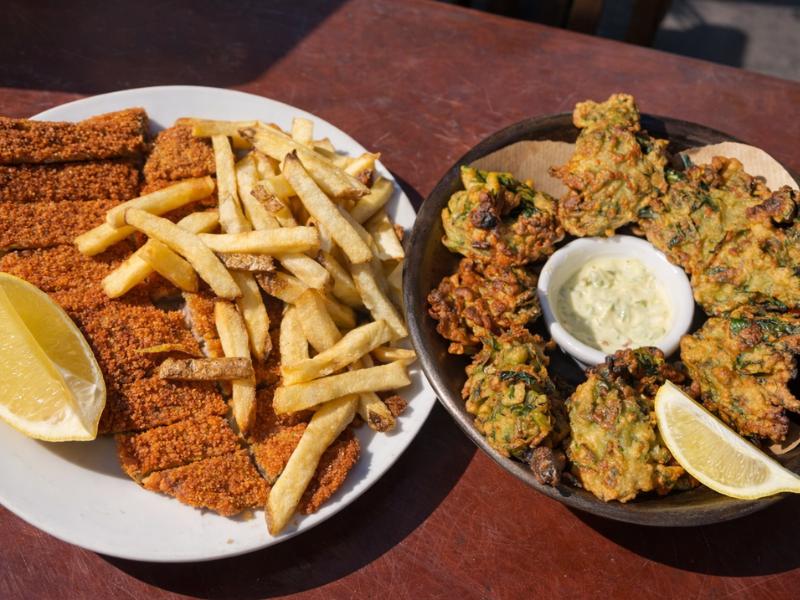
Montevideo Street Food Tour: What You'll Eat
A guided street food walk in Montevideo packs five tastings into roughly three hours, linking Plaza Independencia, Ciudad Vieja, the Catedral de Montevideo and Mercado del Puerto. Along the way you sample the chivito, a sandwich invented in 1946, and mate, the infusion Uruguayans drink at the world's highest per capita rate. Here is what the route, the food and the booking decision actually look like.
Montevideo is not a city of food trucks and night markets. Its street food culture lives in old bars, market stalls and corner bakeries, and the best way to taste it is on foot with a local guide. This guide breaks down what a street food tour with a local guide actually includes, stop by stop, and who should book one.
The Route And The Stops
The standard street food route runs from Plaza Independencia through Ciudad Vieja, past the Catedral de Montevideo, and finishes at Mercado del Puerto, covering five tastings in about three hours. The walk stays inside the Old City, so distances between stops are short and the whole circuit is manageable on foot for most fitness levels. The endpoint at the port market is deliberate: it is the densest concentration of traditional food in the city.
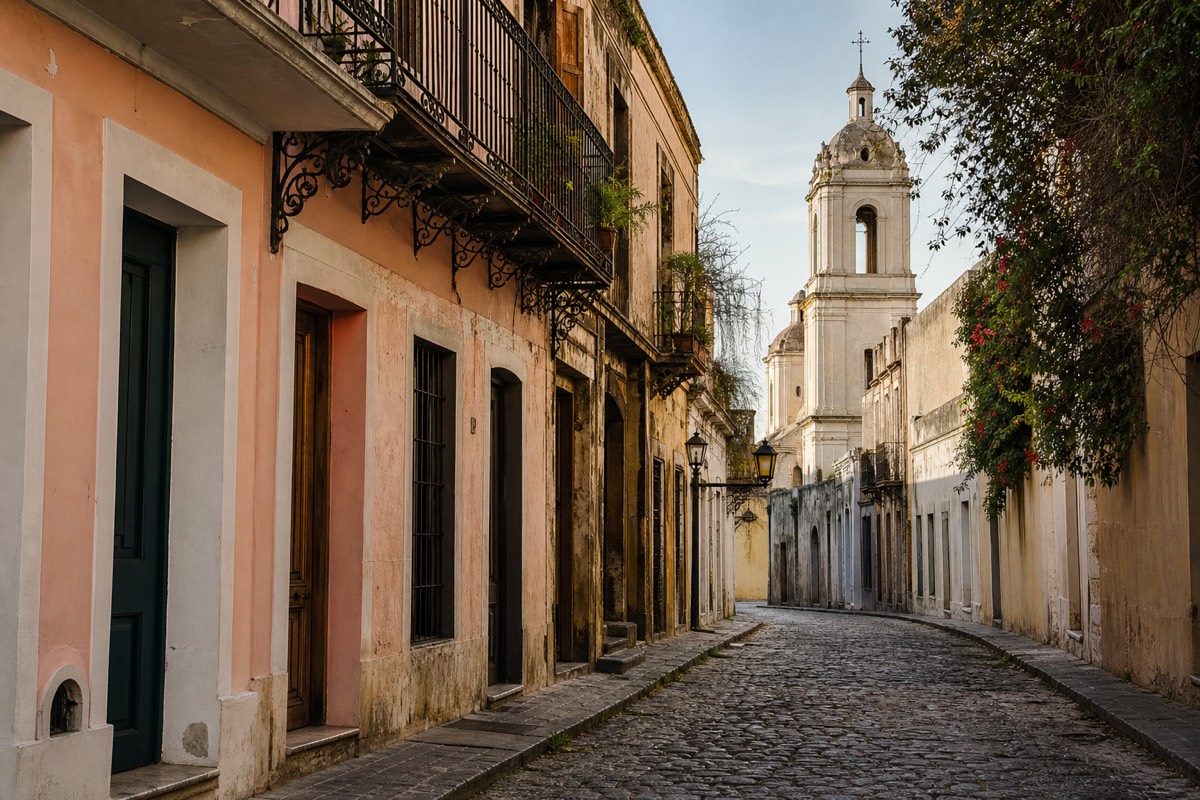
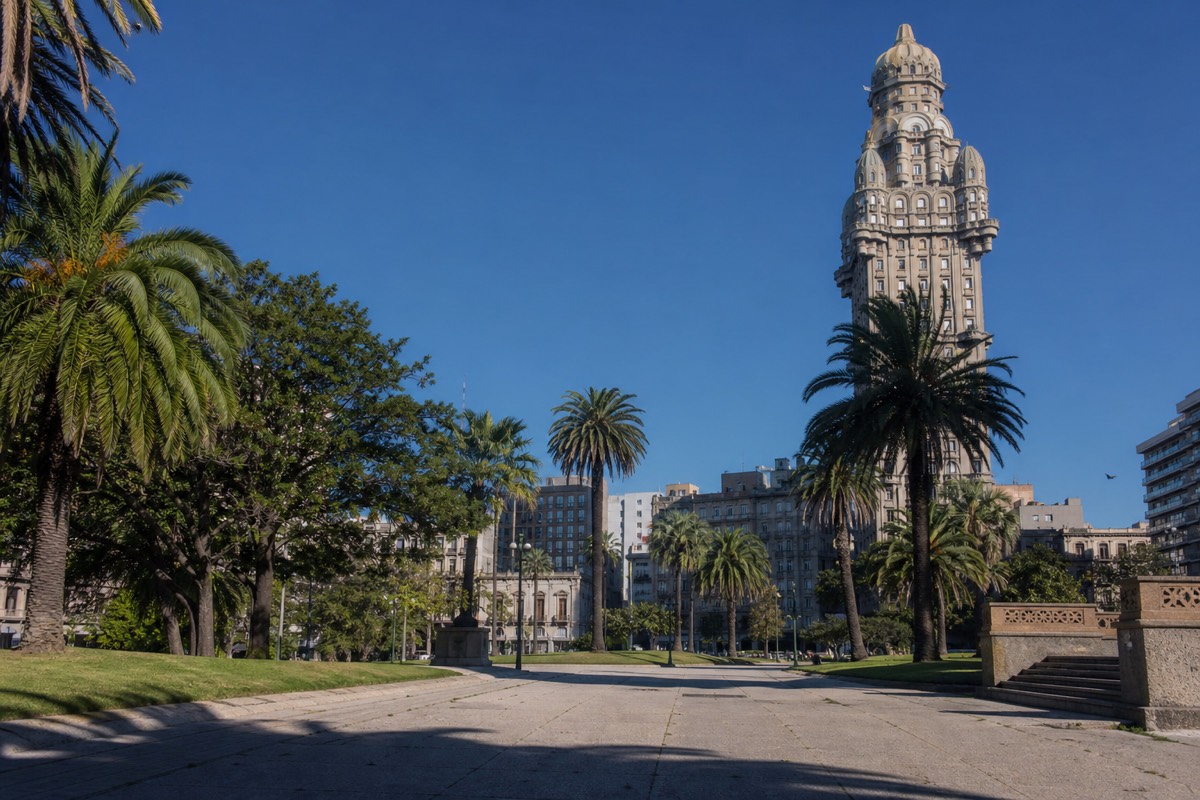
The route makes sense geographically. Plaza Independencia is the symbolic hinge between downtown Montevideo and the Old City, and from there the tour crosses into Ciudad Vieja, the colonial core described in detail in our Ciudad Vieja historic center guide. The walking portion is on pedestrian streets and cobbled lanes, which is why guides keep the pace conversational rather than brisk. If you have already read our Montevideo itinerary for 1, 2 and 3 days, this tour slots neatly into a first afternoon.
Four named stops anchor the experience: Plaza Independencia, Ciudad Vieja as a whole, the Catedral de Montevideo facing Plaza Matriz, and Mercado del Puerto. The exact order and the individual vendors can shift depending on opening days, cruise traffic and your guide's own favorite spots, so treat the list as a reliable frame rather than a fixed timetable. Guides on the live listing are described as flexible and willing to adjust the walk to your energy level and interests, which matters if you want more history or more sweets.
Practical details are simple. The meeting point for the tour is the FAUNA Montevideo building at Sarandí 287, and the operator asks guests to arrive about five minutes early to make the most of the three hour window. The tour is fully wheelchair and stroller accessible, with surfaces that make movement easy, which is not a given in a neighborhood of 19th century streets. For orientation before you go, our Montevideo travel guide covers how the city is laid out.
The final stop deserves its own note. Mercado del Puerto opened in 1868, and its iron structure, the arches, pillars and roof, was manufactured in Liverpool, England, in the workshops of Union Foundry under engineer R.H. Mesures, with masonry by Eugenio Penot. Walking into it is stepping into a building that has hosted butchers and parrillas for well over a century, and the market is open daily from around 10:00, with restaurants varying and the main activity concentrated over lunch hours. That history is part of what the guide narrates on the approach, and it explains why the tour saves the market for last.
| Stop | What Happens There | Rough Role In The Tour |
|---|---|---|
| Plaza Independencia | Meeting point area, orientation and history briefing | Start of the walk, framing of the city's story |
| Ciudad Vieja streets | Walking between tastings, architecture commentary | The connective tissue of the tour |
| Catedral de Montevideo | Photo stop at Plaza Matriz, the old main square | Cultural pause between food stops |
| Mercado del Puerto | Final tastings inside the 1868 iron market | Climax of the tour, heaviest food stop |
Timing And Season
The tour runs about three hours, which makes it easy to combine with a morning of sightseeing or, for cruise passengers, with a shore day. Market energy changes with the season: summer months bring the liveliest street activity, while winter walks are quieter and some vendors adjust hours. Mercado del Puerto itself is busiest on weekends, especially Sundays, and on cruise ship days, so a weekday tour often means more space at the counters and more time to chat with vendors. If your dates are flexible, our best time to visit Montevideo guide explains the trade-offs month by month.
Chivito, Empanadas And Other Tastings
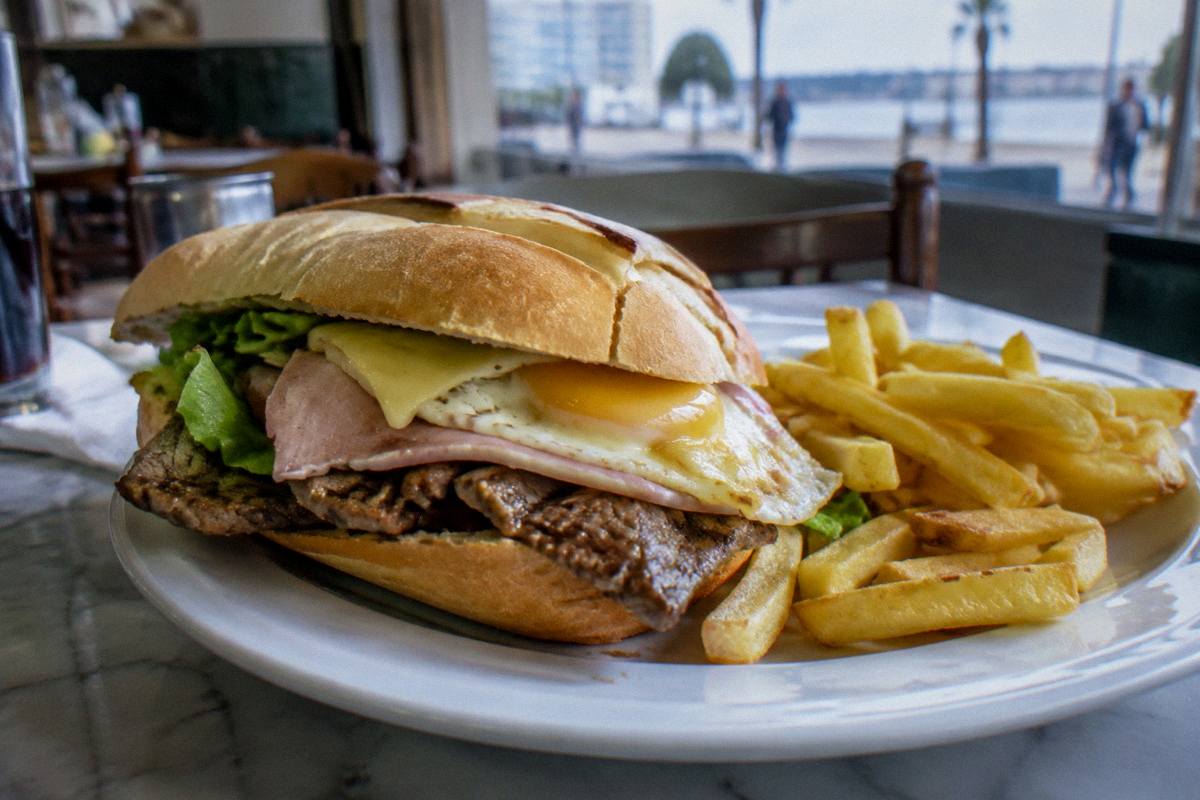
Across five tastings you can expect savory empanadas, a chivito or chivito components, sweet treats, and a traditional mate tasting, with the guide weaving in the story behind each item. The chivito is the headline: Uruguay's national sandwich, a beef steak with ham in a bun, invented in 1946 at El Mejillón bar in Punta del Este by Antonio Carbonaro. Trying it in the Old City, where the tour's guides steer you, is considered the more authentic setting.
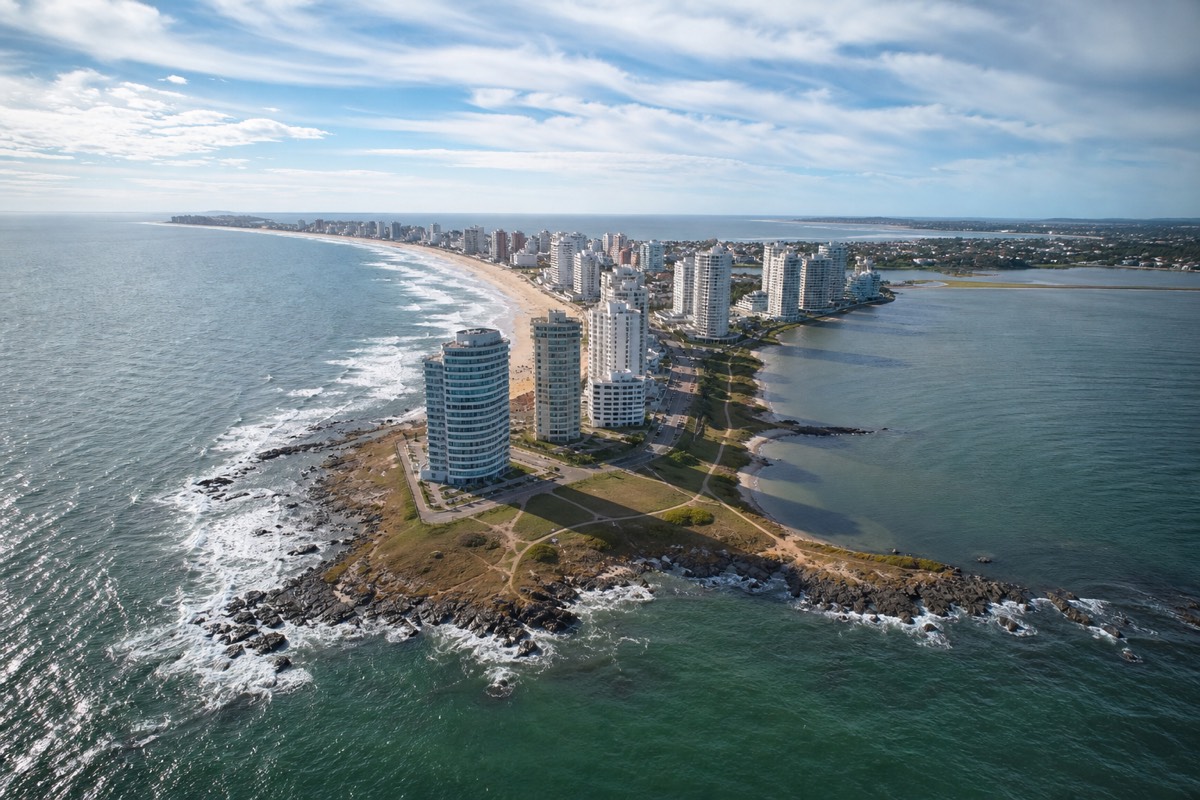
The chivito deserves its reputation. The story, documented in the Argentine press, is that a tourist asked Carbonaro for chivito, meaning goat, and he improvised a beef steak with ham in a bun instead. The result became the country's defining sandwich, typically built with thin beef, ham, cheese, lettuce, tomato, mayonnaise and often a fried egg and bacon. Some versions are served al plato, without the bun, as a full plate, and Mercado del Puerto's parrillas list chivito al plato among their standard dishes. A street food tour portion is usually a taste rather than a whole sandwich, which is just as well given what else is on the itinerary.
Empanadas are the other savory staple. These baked or fried pastries arrive filled with beef, ham and cheese, chicken or spinach, and they are the most common hand held food in the city's bakeries. Sweet stops typically involve something with dulce de leche, the caramelized milk spread that appears in desserts, pastries and even straight from the jar. The exact sweet varies by vendor and by what is fresh that day, so ask your guide what they recommend rather than expecting a fixed item. For a wider survey of the cuisine, our article on what food Montevideo is known for goes beyond the tour route.
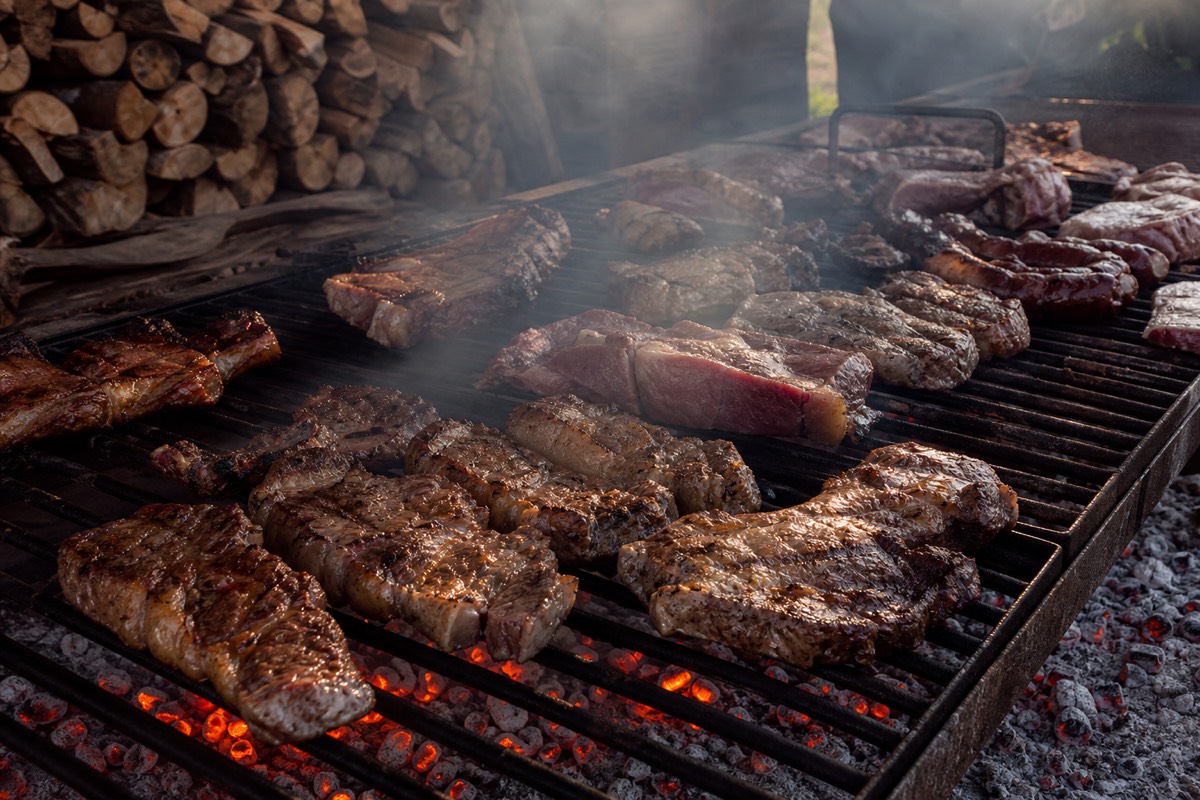
The final stop at Mercado del Puerto often includes grilled meat. The market's parrillas serve asado de tira, vacío, chorizo, morcilla, mollejas and provoleta, all cooked over wood embers rather than gas or charcoal, which purists treat as the only correct method. Uruguay's relationship with beef is not a cliché: per capita bovine consumption was 50.2 kg in 2025 according to INAC, with total meat consumption around 101.5 kg, and the country carries roughly 11.6 million cattle against about 3.4 million people. A tasting portion of short ribs or chorizo at the market is the most efficient introduction to that culture. If the tour leaves you wanting a full sit down parrilla meal, the Asado Lunch At Mercado Del Puerto voucher covers a starter, beef main with sides, dessert and a specified drink at Cabaña Verónica inside the market, with a vegetarian option listed.
One thing a guided tasting gives you that independent grazing does not is vocabulary. Learning that vacío is a long flat flank cut with a fat cap, that entraña is an intensely beefy skirt steak, and that mollejas are sweetbreads means you can order confidently at any parrilla in the country afterward. The cuts and their names come up naturally at the market counters, and the guide translates and explains faster than any menu. For a deeper background on the ritual itself, our explainer on the Uruguayan asado covers the role of the asador, the grill master who manages the fire and embers, and why the inclined parrilla design matters.
| Tasting | What It Is | Origin Or Note |
|---|---|---|
| Empanadas | Savory filled pastry | Standard street hand food in bakeries citywide |
| Chivito | Beef steak and ham sandwich, full or tasting portion | Invented 1946 at El Mejillón, Punta del Este, by Antonio Carbonaro |
| Sweet treat | Dulce de leche based dessert or pastry | Varies by vendor and day, ask your guide |
| Grilled meat | Asado de tira, chorizo or similar from a parrilla | Cooked over wood embers, a signature of Uruguayan asado |
| Mate | Hot infusion of Ilex paraguariensis leaves | Shared ritual drink, highest per capita consumption in the world |
Where To Eat More Of It Afterward
If a tasting leaves you hungry for the full version, the city delivers. Mercado del Puerto houses El Palenque, Cabaña Verónica at stall 038, and Estancia del Puerto, all parrillas inside the same iron structure. Beyond the market, La Otra in Pocitos on Tomás Diago 758 serves lunch and dinner daily, and La Pulpería in Punta Carretas on Lagunillas 448 is a popular neighborhood parrilla open for dinner only. Our guide to the best restaurants in Montevideo covers the full range, and our markets guide explains what to buy at Mercado del Puerto, the Mercado Agrícola and the Sunday feria.
Drinks Along The Way
The signature drink on the tour is mate, the hot infusion made from the leaves of Ilex paraguariensis, served in a gourd and drunk through a metal bombilla straw. 5 to 10 kg of yerba mate per person per year, the highest rate in the world, so the tasting doubles as a lesson in a genuine national ritual. Sweet options and soft drinks fill out the drinks, and at Mercado del Puerto many visitors also try medio y medio. ors also try medio y medio.
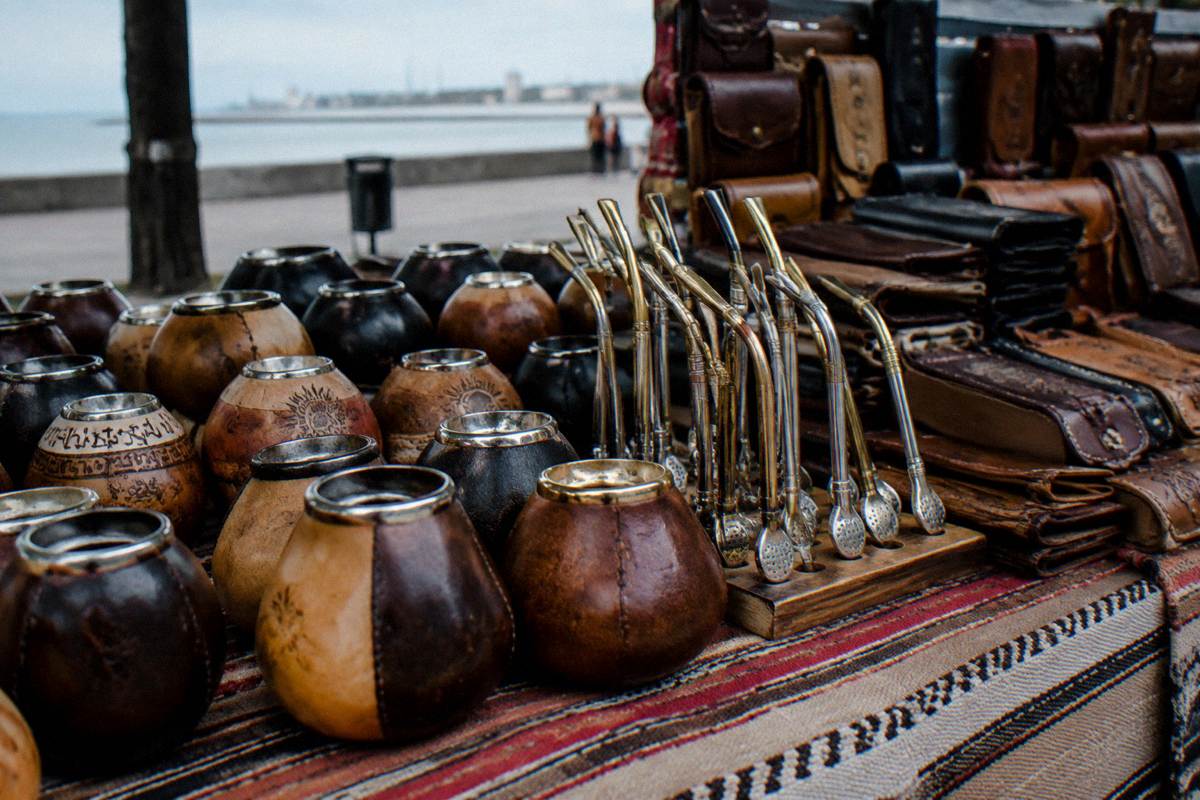
Mate is more than caffeine. The drink is prepared by a cebador, the server who fills the gourd and pours the hot water, and it is passed around a circle, moving clockwise or in seating order. There is etiquette to learn: you drink the gourd fully before passing it back, and you do not say gracias until you are finished entirely, because thanking the server signals you are done. Asking your guide about this social etiquette is one of the more rewarding parts of the tour, because the rules are invisible to outsiders but strictly observed by locals. Uruguayans carry a termo, a thermos of hot water, everywhere they go, refilling the gourd on the street, on the bus and on the Rambla.
The equipment has its own vocabulary. The gourd itself is called a calabaza when made from a squash and a porongo when made from a tree gourd, and the bombilla is the metal straw with a filter at the bottom that keeps the leaves out of your mouth. If the tasting converts you, mate gourds and bombillas are among the most popular souvenirs in the city, sold at Mercado del Puerto, in artisan shops in Ciudad Vieja and Pocitos, and at specialty stores. Our guide to Uruguayan mate and how to drink it covers the full ritual if you want to practice before the tour.
Medio y medio is the market's own contribution. It is a mix of dry white wine and sweet sparkling wine, popularized at Bar Roldós inside Mercado del Puerto in the late 19th century, and it remains the drink to order at the market's counters. Whether it appears on your tour depends on the stops, but if you finish at Mercado del Puerto it is an easy addition at the bar. Coffee and soft drinks are widely available at every stop, and the tour's listing notes that the pace can be adjusted if you want to linger over a drink. Tap water in Montevideo is drinkable, so refilling a bottle is not a problem.
If the food and drink theme appeals to you across the whole trip, a different evening option is the tango class at Baar Fun Fun, which includes a glass of Uvita, the bar's proprietary sweet wine, plus typical snacks at an 1895 institution declared Cultural Heritage of Montevideo. The two experiences pair well: a daytime street food walk for the daytime city, and an old bar with tango for the night.
Dietary Needs
The tour listing does not specify fixed dietary options, so the practical advice is to state vegetarian, vegan or allergy requirements at the time of booking so the guide can adjust the stops. Vegetarian eaters are generally well served: empanadas come in cheese, spinach and other meat free fillings, dulce de leche sweets contain no meat, and the market's parrillas offer provoleta, grilled provolone cheese, as a vegetarian highlight. Genuine food allergies are harder to accommodate and should be flagged clearly in advance.
Be honest about the limits. A parrilla centered stop is fundamentally a meat environment, and cross contact on shared grills is a real risk for celiac or severe allergy sufferers. The Asado Lunch At Mercado Del Puerto product, for comparison, explicitly states it is not suitable for food allergies even though it lists a vegetarian option, which tells you how the market's kitchens operate. For a walking tour the flexibility is greater because the guide can swap vendors, but only if they know in advance.
A few practical points help. Tell the operator at booking, not on the day, because some stops are chosen ahead of the walk. Vegetarians should expect to skip the chivito and the meat tasting and receive larger portions of the other items, or a provoleta tasting at the market. Pescatarians will find grilled fish harder on this specific route, which is Old City focused rather than coastal. If your dietary needs are strict, our restaurant guide may serve you better than a fixed tasting route, since you control the ordering.
Vegans should set expectations before booking. Dulce de leche is milk based, provoleta is cheese, and many empanada doughs contain butter or lard, so the pool of naturally vegan items on this route is small. A guide who knows in advance can sometimes arrange fruit or a simple vegetable preparation, but the tour is not designed around plant based eating, and you should weigh whether five tastings with two or three substitutions is worth it for you.
| Dietary Need | How The Tour Handles It | What To Do |
|---|---|---|
| Vegetarian | Usually workable: cheese or spinach empanadas, sweets, provoleta | State it at booking so stops are adjusted |
| Vegan | Possible but limited: dulce de leche and cheese items excluded | Flag early, expect fewer tastings |
| Gluten intolerance | Chivito and empanadas are wheat based | Discuss before booking, cross contact is likely |
| Severe allergies | Shared kitchens and grills pose real risk | Declare at booking, consider a self guided food walk instead |
Is It Worth Booking?
For most first time visitors, yes: the tour converts three hours into five tastings, a mate lesson, a chivito with its real origin story, and an efficient walk through Ciudad Vieja, at a from price of $66 per the operator's listing. It rates 4.3 across 402 reviews, with guests repeatedly calling it authentic, well paced and flexible. It is strongest for travelers who want context with their food and weakest for those with strict allergies or no interest in walking.
Compare the alternatives honestly. You could self tour: Mercado del Puerto is open daily from around 10:00, with peak activity over lunch hours, and you could order a chivito al plato and a medio y medio without any guide. What you would miss is the mate ritual explained properly, the vendor selection, the history woven between stops, and the simple efficiency of not having to research each spot. The tour also handles the ordering in Spanish, which is a small thing until you are standing at a busy market counter on a Sunday when the market is at its most crowded.
Against other bookable options, the street food tour is the clear pick if food is your priority. The half day city sightseeing tour covers far more ground, from the Palacio Legislatio to Pocitos, but its food content is limited to a break at the Agricultural Market where you can buy dulce de leche and crafts. The sightseeing tour suits visitors who want the whole city in one sweep, from $35 with a 4.8 rating across 4,187 reviews, while the food tour stays deep in one neighborhood. If you have time for both, they complement rather than compete, and pairing a food walk with the city tour is a common two day pattern.
Who should book the food tour: food curious first timers, anyone who wants to understand mate rather than just photograph it, cruise passengers with a free afternoon, and travelers who prefer a small, flexible format. Who should skip it: people with severe allergies, visitors who cannot manage three hours of walking, and anyone on a very tight budget who is happy grazing the market independently. Cruise passengers should also check our Montevideo cruise port guide for timing, since the walk starts at Sarandí 287, a short distance from the port gates.
On value, consider what the $66 from price replaces: a snack, a drink, a dessert and a tasting at the market would cost a meaningful share of that on their own, and the guide's commentary and vendor access are the remainder. Prices on the listing should be checked live before you book, since from prices move with season. For more context on whether the city rewards this kind of visit at all, see our piece on whether Montevideo is worth visiting, and for safety on the evening walk back, our practical safety guide covers the neighborhoods the tour crosses.