Is Montevideo, Uruguay Worth Visiting?
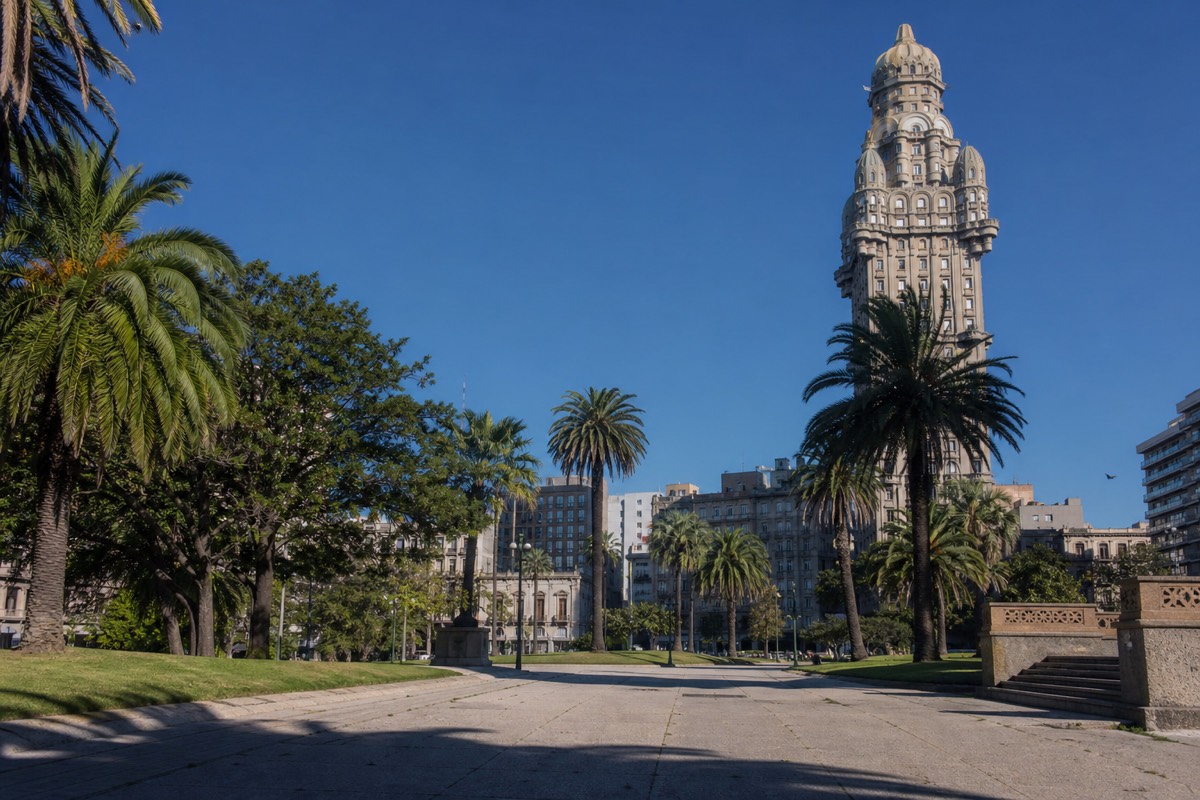
Palacio Salvo went up between 1925 and 1928, 27 storeys and 105 metres of eccentric concrete on the corner of Plaza Independencia. It still dominates the square, and it still catches out visitors who arrived expecting a sleepy provincial capital.
Yes, Montevideo is worth visiting, with one honest caveat: it rewards travellers who enjoy a city for its daily texture rather than for a checklist of famous sights. There is no single monument here that people cross oceans for. What there is instead is a 22 kilometre riverfront promenade that the whole city actually uses, a colonial old town founded in the 1720s, the oldest working theatre in South America, a grill market from 1868, and a drumming tradition UNESCO put on its heritage list in 2009.
Montevideo is most rewarding when you value food, waterfront time and a manageable historic center over a packed attraction list.
Booking Shortlist: Half-Day Montevideo City Tour. Link the old town, Agricultural Market and Pocitos waterfront in one guided loop.
Set expectations correctly and the city almost never disappoints. Arrive expecting Buenos Aires at half scale and it will feel underpowered for a day, then win you over on the second afternoon when you work out that the point of Montevideo is the rhythm, not the itinerary.
What Actually Makes Montevideo Worth The Detour?
Four things carry the city: the Rambla, Ciudad Vieja, the beef, and the music. Each one is genuinely first rate, and none of them requires queuing. That last part matters more than it sounds, because it changes how a visit feels hour to hour.
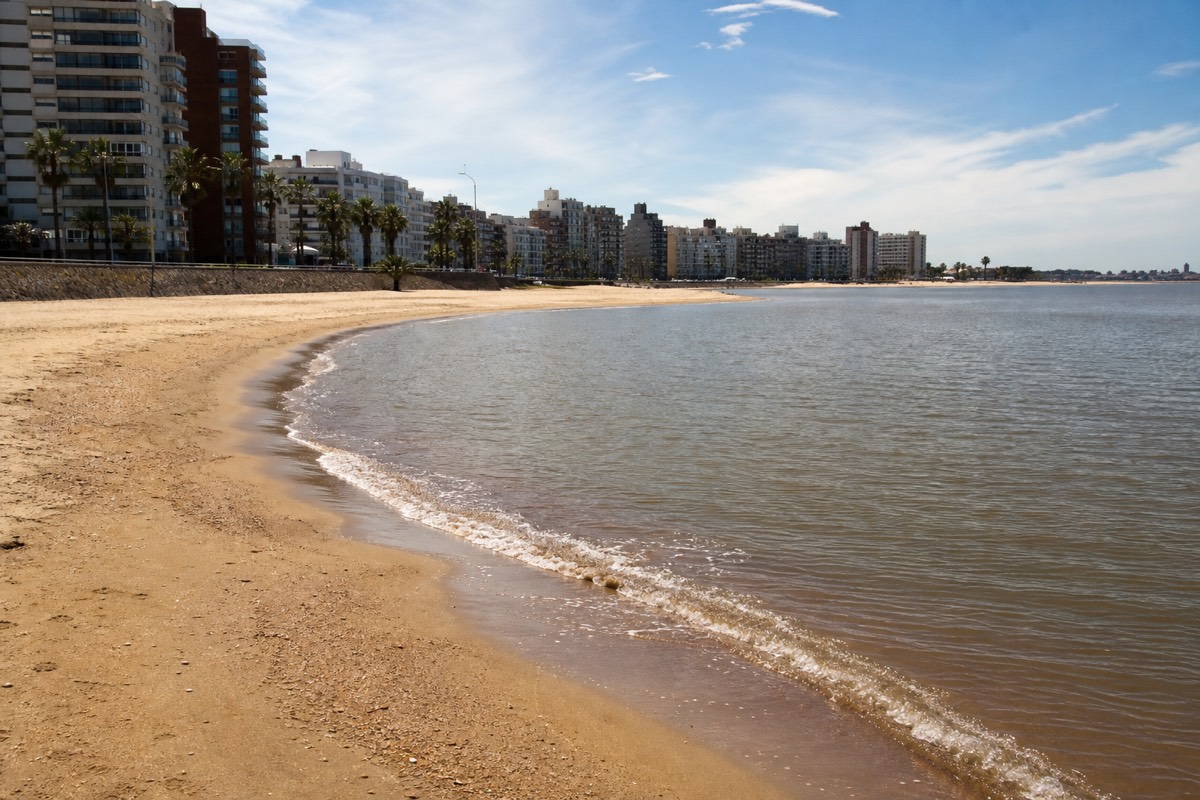
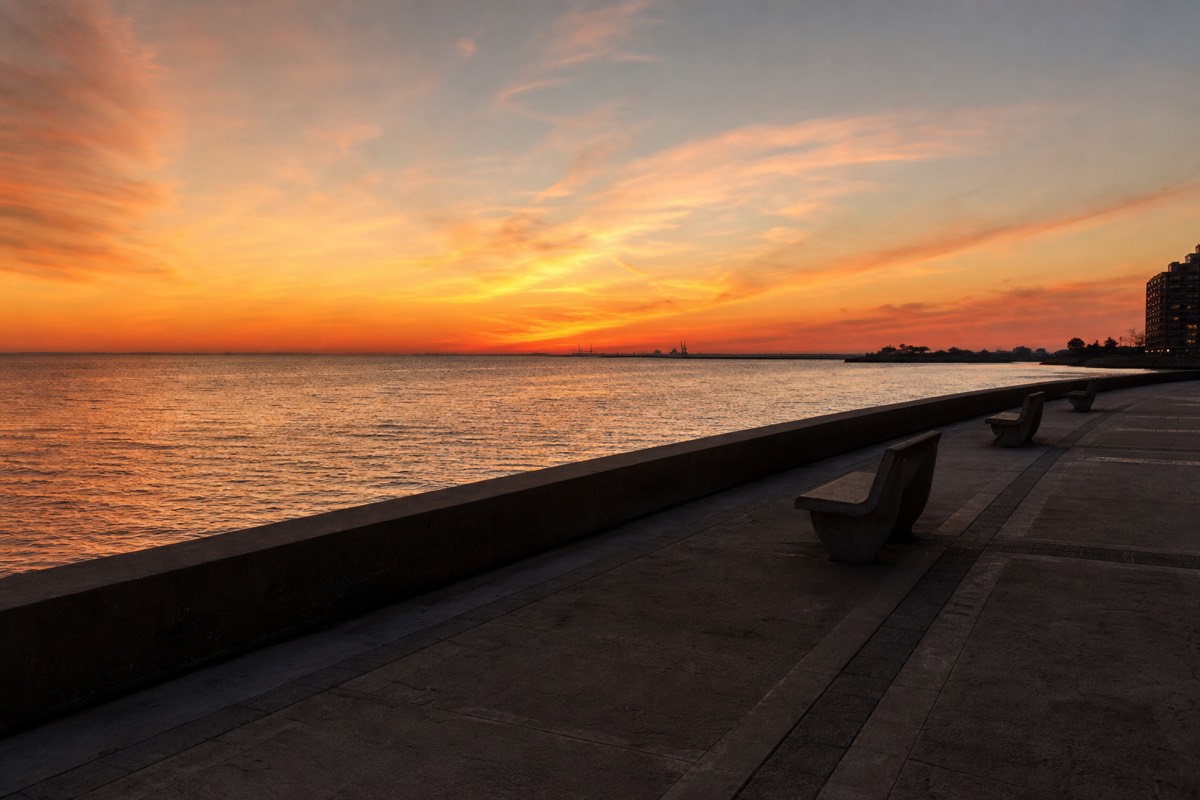
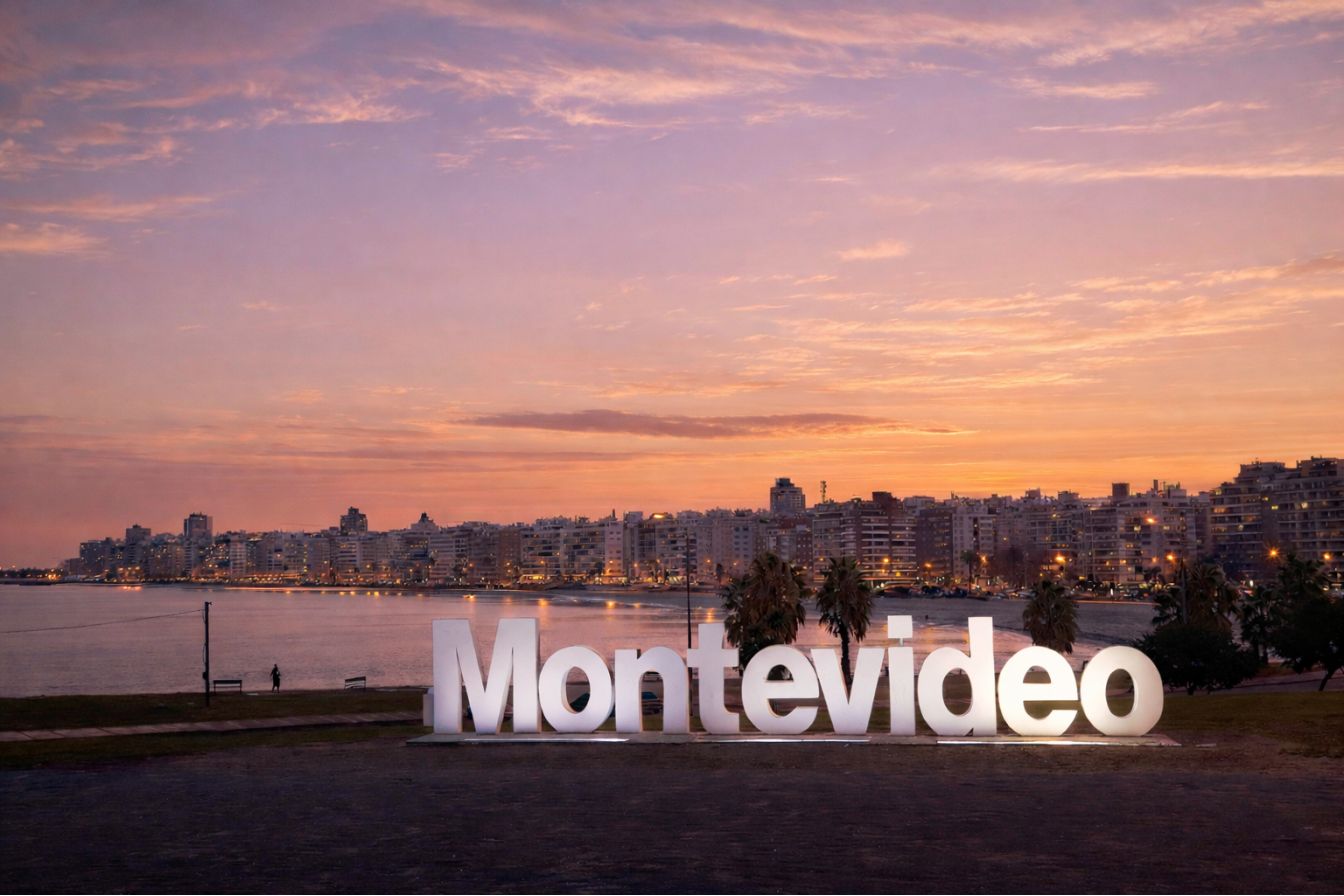
The Rambla runs more than 22 kilometres without a break along the River Plate, which puts it among the longest continuous waterfront promenades anywhere. It is not a tourist attraction that locals avoid. On any decent evening it fills with runners, fishermen, families with thermos flasks and mate gourds, and cyclists heading toward Pocitos. Walking a stretch of it is the single best introduction to the city, and our guide to the Rambla and Montevideo's beaches maps out which sections are worth your time.
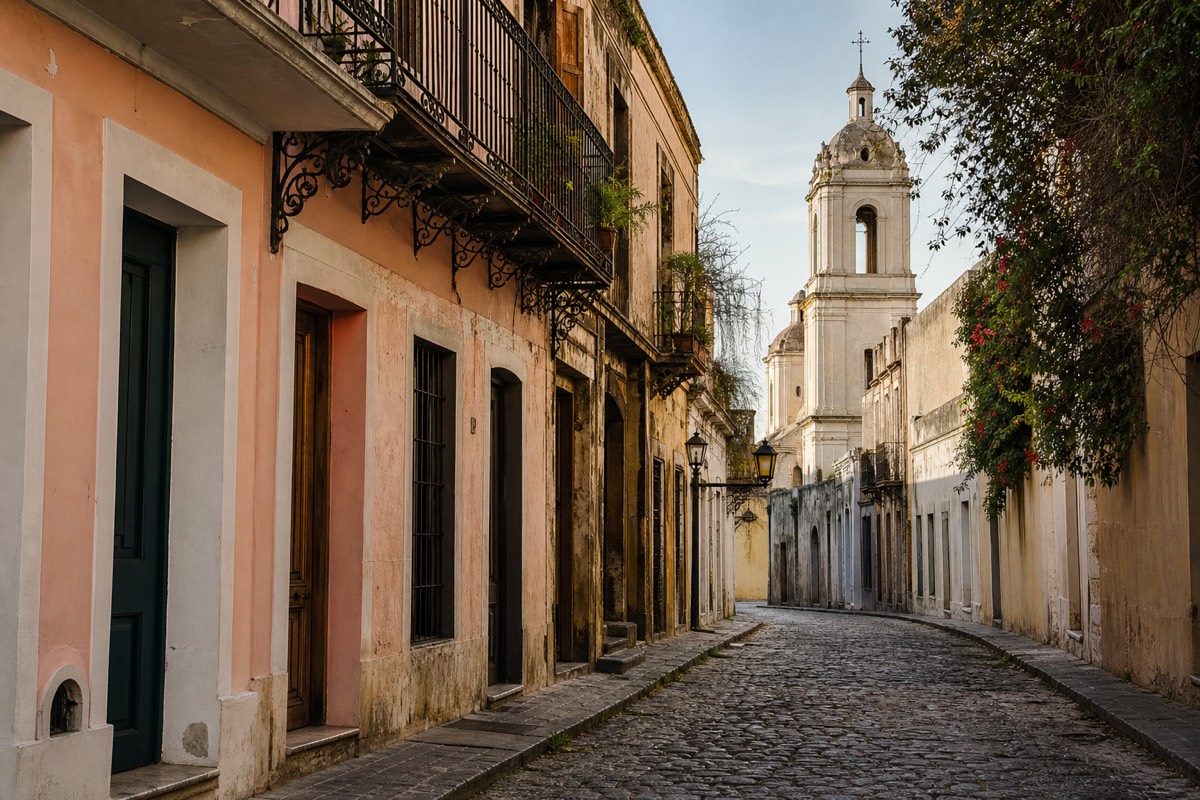
Ciudad Vieja, the walled Spanish colonial core founded in the 1720s, holds Teatro Solís, which opened in 1856 and is the oldest operating theatre in South America, plus the Mercado del Puerto, inaugurated in 1868 and now a hall of wood-fired parrillas. Add candombe, the Afro-Uruguayan drumming tradition recognised by UNESCO in 2009, and a carnival season that runs roughly 40 days and is considered the longest in the world, and the cultural case is not thin at all.
Who Should Probably Skip It?
Skip Montevideo if you want dramatic landscape, big-ticket ruins, or nightlife on the scale of a megacity. It is a low-rise, flat, river-facing capital of moderate size, and it does not pretend otherwise.
Travellers with three weeks in South America and a fixed list of headline sights will feel the pull of Patagonia or the Andes, and that is a fair call. Beach purists should know the River Plate is brown-water, not Caribbean blue, and that Uruguay's postcard beaches sit east of the city along the Atlantic coast rather than in it. Winter visitors, June through August, get short damp days and a very quiet city.
Everyone else tends to leave surprised. The people who report the best trips are usually the ones who booked three nights instead of one, and who ate slowly.
If a dense skyline, major shopping circuit or packed nightlife schedule is your priority, these Montevideo tours do not change that trade-off.
How Long Do You Need To Make The Trip Pay Off?
Two full days covers the historic core, the Rambla, one long lunch and one neighbourhood you were not expecting to like. Three unlocks a wine day or a trip to Colonia del Sacramento. One day is enough only if you are arriving by ship and have no choice.
A half-day orientation on the first morning does a lot of work, because the city's landmarks are scattered across districts rather than clustered. The half-day Montevideo city sightseeing tour covers Plaza Independencia, the Legislative Palace, Parque Batlle, the Centenario Stadium and the Pocitos waterfront in one loop, for around $35, which is a cheap way to work out where you want to return on foot. If you would rather move under your own power, the guided e-bike tour traces a similar arc along the bike paths and the Rambla. We break the timing down properly in how many days you need in Montevideo.
Is It Safe Enough To Relax In?
Broadly yes, with normal city caution. Uruguay ranks as the most peaceful country in South America and 43rd globally on the 2026 Global Peace Index, while foreign advisories still flag street crime in Montevideo specifically.
The US State Department asks visitors to exercise increased caution due to crime. The UK's Foreign Office notes bag-snatching, pickpocketing and robbery in the city, and advises against walking downtown or in the port area alone at night or at weekends. Canada's advice is normal precautions nationally, a higher degree of caution in Montevideo. None of that is unusual for a capital of this size, and the tourist neighbourhoods of Ciudad Vieja, Pocitos, Punta Carretas and Carrasco are where the vast majority of visits pass without incident. Our full breakdown lives in the Montevideo safety guide.
What Do Visitors Most Often Get Wrong?
The two recurring mistakes are booking a single night and expecting a beach holiday. Both come from reading Montevideo as a stopover between Buenos Aires and Punta del Este rather than as a destination.
One night means arriving in the afternoon, walking Ciudad Vieja, eating, and leaving. The old town is genuinely good, but it is the formal part of the city, full of offices and museums, and it empties after dark. The parts of Montevideo people end up talking about afterwards, Pocitos on a warm evening, the market grills at full tilt, a Sunday on the Rambla, all happen on the second and third days.
The beach expectation is the other one. The River Plate is fresh-to-brackish and brown with sediment, so the city beaches are for lying on and walking beside rather than for postcard swimming. Uruguay's blue-water Atlantic beaches start well east of the capital. Neither of these is a flaw once you know it in advance, and both are why the city under-delivers to people who arrived with the wrong picture in their heads.
The Fastest Way To Judge It For Yourself
Give the city one guided morning and one unstructured afternoon. That combination decides the question faster than any amount of reading.
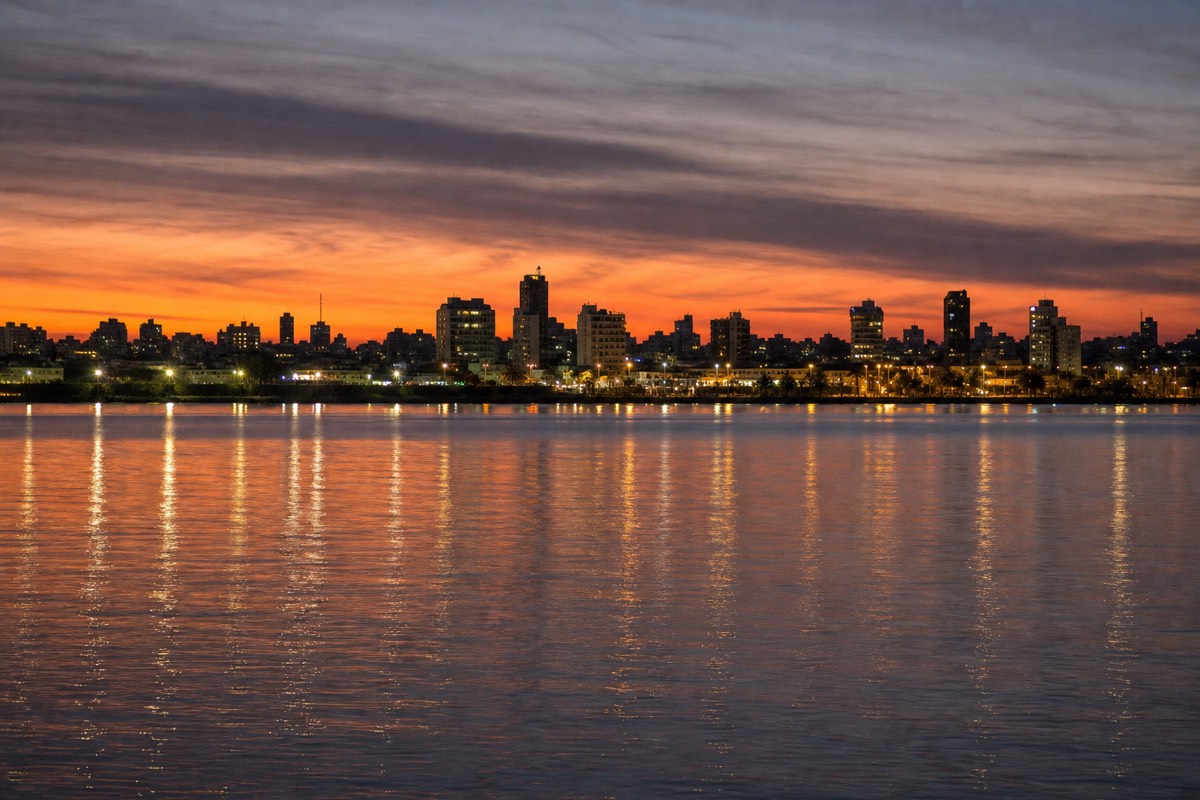
The guided part solves geography and history in a few hours. The unstructured part is where Montevideo either clicks or does not: a slow lunch at a parrilla, a walk east along the water as the light drops, an hour in a bar that has been open since the nineteenth century. Food is often the tipping point, which is why the street food walking tour through Ciudad Vieja converts so many sceptics, chivito and mate included, for around $66.
You can browse every option we run, from half-day city loops to full-day wine country, on our Montevideo tour listings. Prices move, so check the live listing before you plan around a number.