What Is Uruguay Famous For?
Uruguay won the first football World Cup in 1930, on home soil, and won it again in 1950. For a country with fewer people than many single cities, that is a lot of history to carry, and it still sets the tone for how the place is seen abroad.
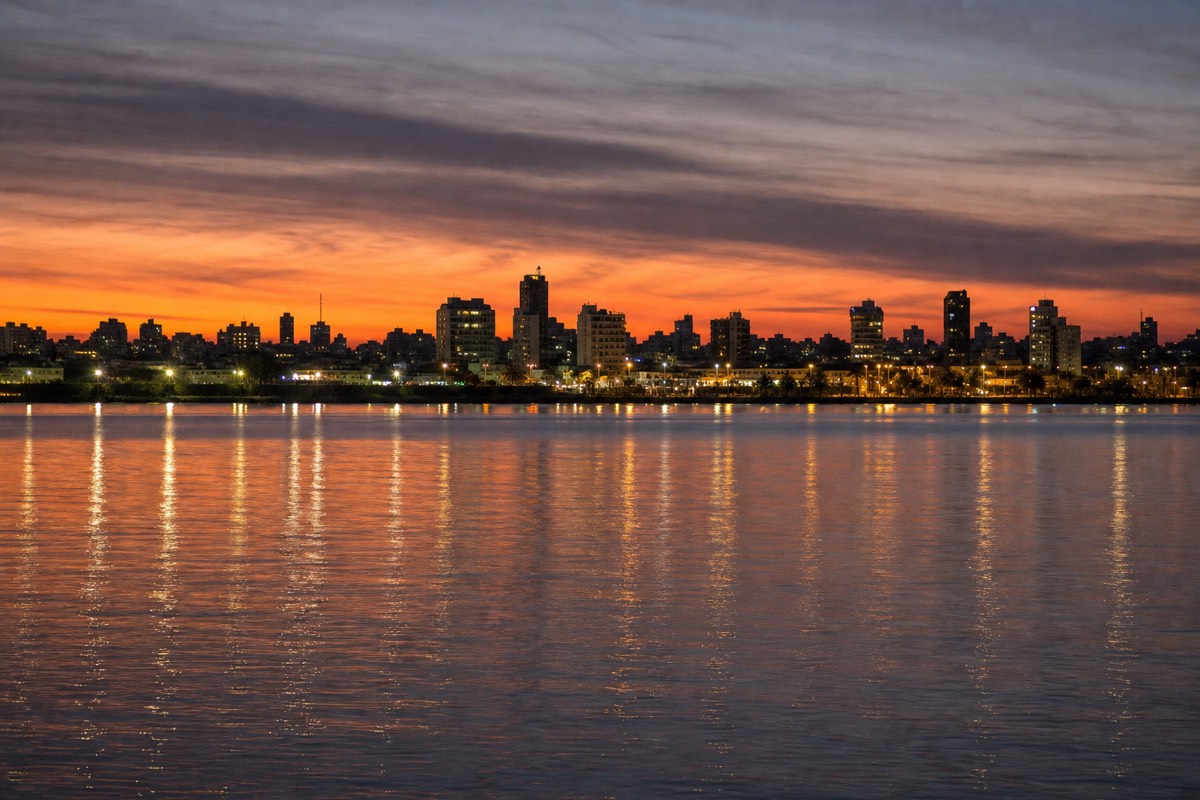
Uruguay is famous for football, beef, Tannat wine, the beach resort of Punta del Este, mate, and a reputation as one of the most stable, peaceful and socially progressive countries in Latin America. It ranks as the most peaceful country in South America and 43rd globally on the 2026 Global Peace Index.
Football, beef, Tannat and candombe give you several different ways into Uruguay. Choose the one you actually want to experience.
Booking Shortlist: Half-Day Montevideo City Tour. Link the old town, Agricultural Market and Pocitos waterfront in one guided loop.
What ties those together is scale. Uruguay is small, flat and thinly populated, wedged between Brazil and Argentina, and it has built its identity on doing a few specific things unusually well rather than on having a lot of everything.
Why Is Uruguay So Famous For Football?
Uruguay hosted and won the inaugural World Cup in 1930, then won it again in 1950 in the final at the Maracanã. Two world titles from a country of Uruguay's size is the sporting fact everyone knows.
The 1930 final was played at the Estadio Centenario in Montevideo, built for the tournament and still standing in Parque Batlle. It still hosts matches and houses a football museum, and most city tours stop outside it. The 1950 result, beating Brazil in Rio in front of a vast home crowd, is remembered across South America as the Maracanazo.
Football is not just history here. The domestic rivalry between Peñarol and Nacional is one of the oldest in the world, and the national team has continued producing players who anchor top European clubs. If you want the stadium as part of a city loop, the half-day Montevideo sightseeing tour includes it among eleven stops for around $35.
What About The Beef?
Uruguay is a cattle country with more cows than people, and asado, beef cooked slowly over wood embers, is both the national dish and the standard social ritual.
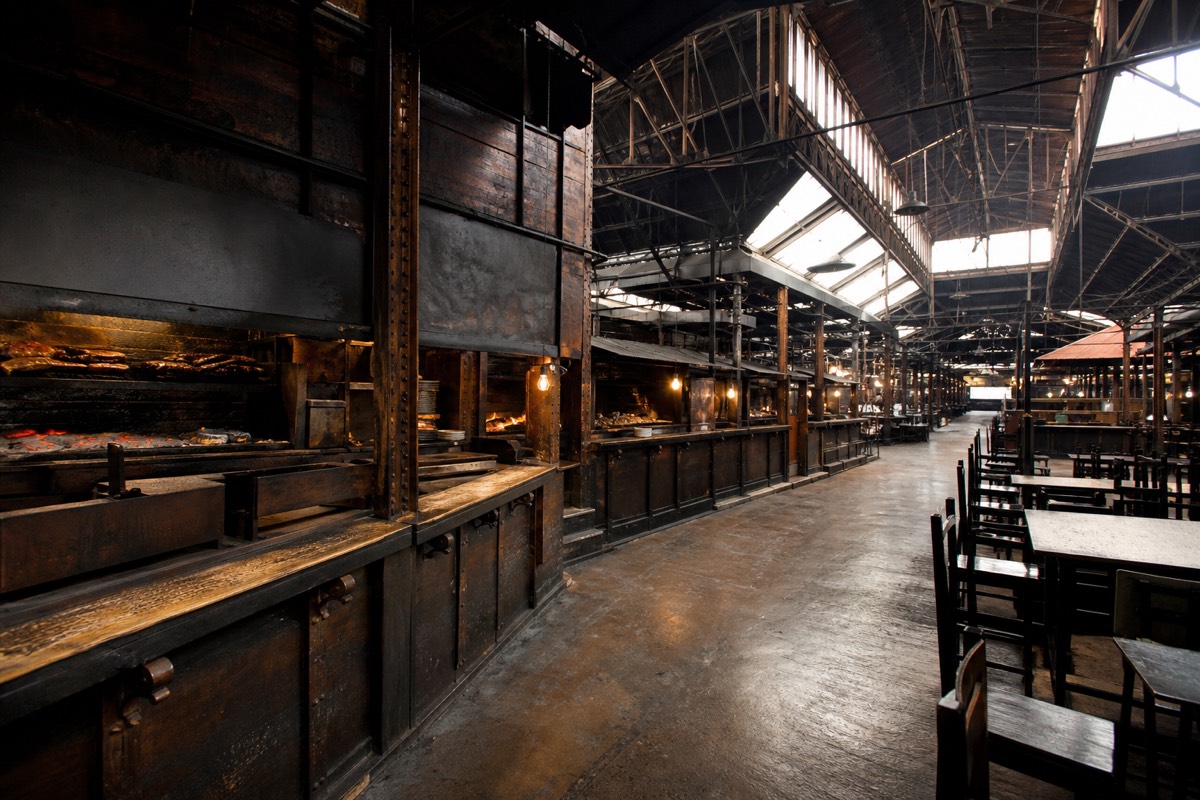
Grass-fed beef is one of the country's major exports and one of the first things visitors notice at the table. The technique is unhurried: wood burns down, coals get raked under the grill, and nothing is rushed. The Mercado del Puerto in Montevideo, an iron market hall inaugurated in 1868, is where most visitors meet it, now filled end to end with working parrillas.
The chivito, a sandwich of grilled beef, ham, mozzarella and fried egg, is the national sandwich and the dish most often exported to menus abroad. We cover the whole food picture in what food Montevideo is known for, and the street food tour with a local guide puts chivito, empanadas and mate into one three-hour walk for around $66.
Is Uruguayan Wine Actually Well Known?
Among people who follow wine, yes, and the reason is Tannat. It is Uruguay's signature grape, grown mainly in Canelones near Montevideo, and it has become the country's calling card in a region dominated by Argentine Malbec and Chilean Carmenere.
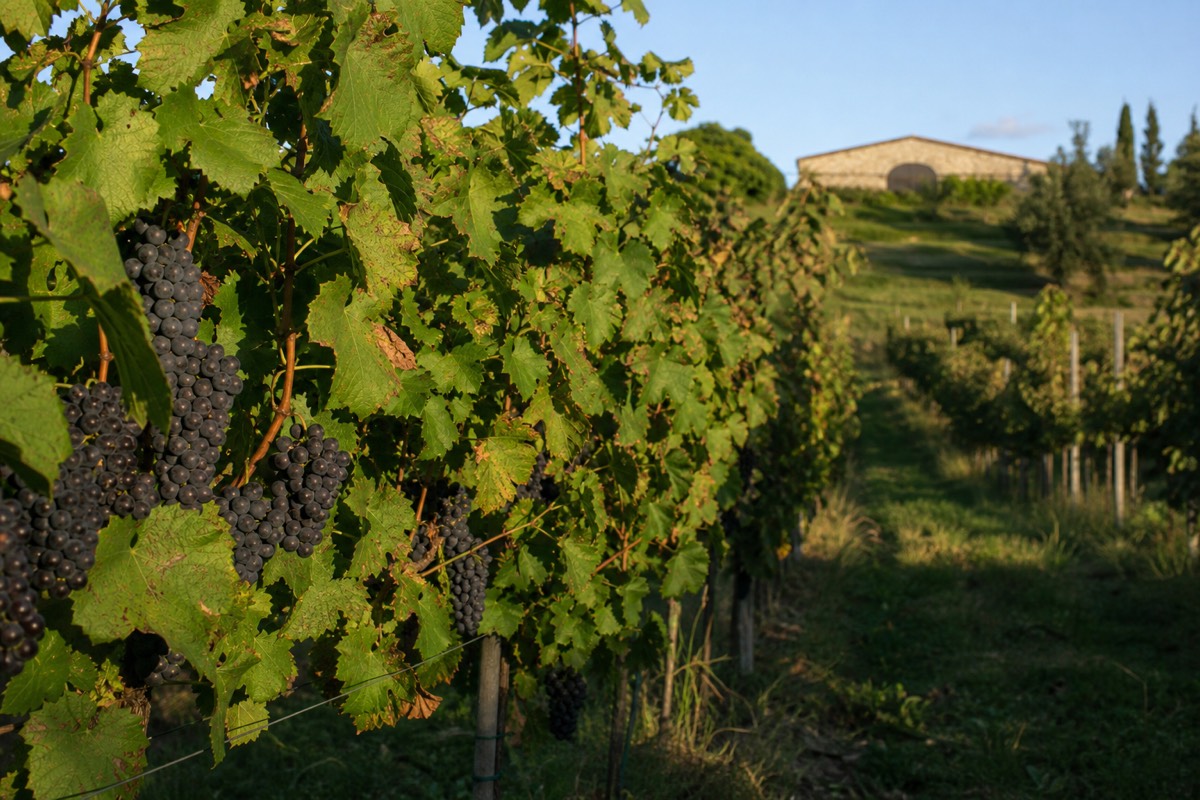
Tannat came with Basque immigrants in the nineteenth century and thrived. The resulting wines are dark, tannic and structured, which suits a national diet built on grilled beef. Uruguayan producers stay small and family-run by choice, and many of the best-known estates sit 30 to 40 minutes from central Montevideo.
That proximity makes wine country accessible in a way it is not in most countries. Wine Lovers Delight pairs a guided visit to an award-winning family winery with premium tastings and a countryside lunch, and prices move, so check the live listing.
What Else Is Uruguay Known For Internationally?
Punta del Este, mate, and a run of social policy that made international headlines. The country legalised cannabis nationally in 2013, the first in the world to do so, alongside earlier reforms including same-sex marriage.
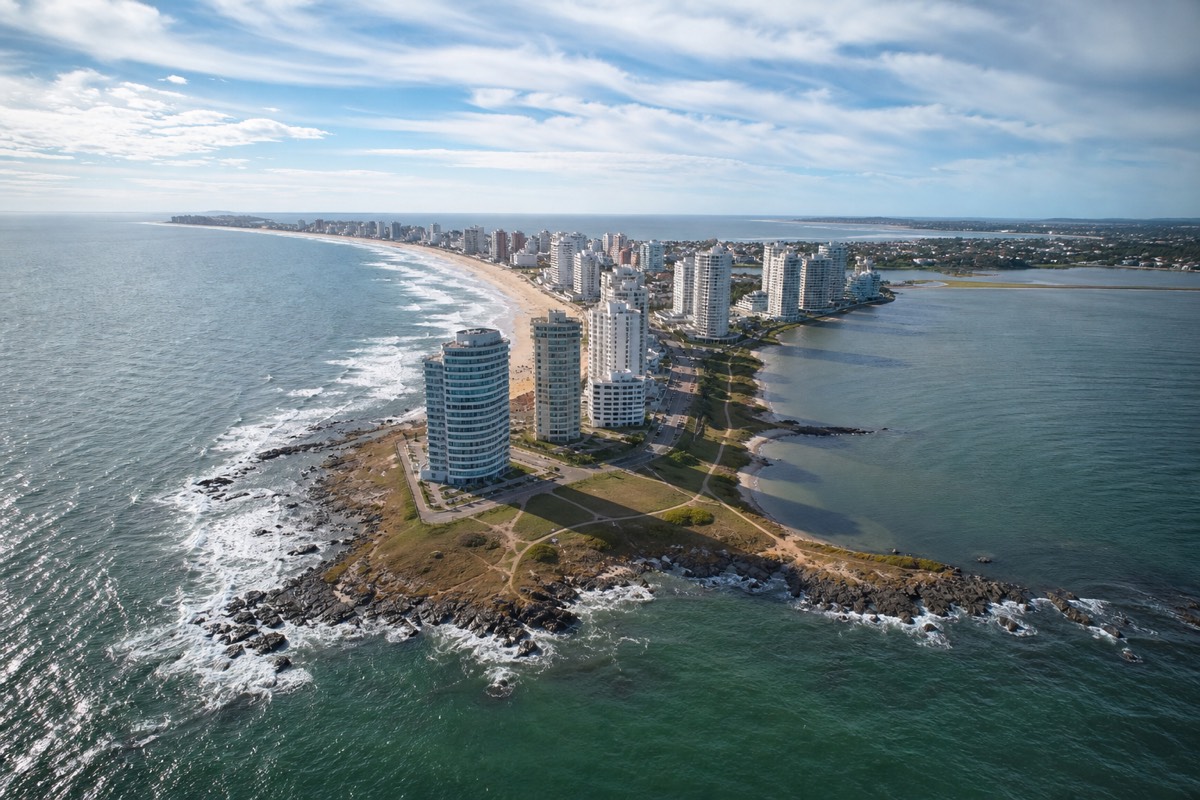
Punta del Este, on the Atlantic coast east of Montevideo, is the summer resort that draws Argentine and Brazilian visitors in January and February, known for its beaches, the Casapueblo villa nearby and the sculpture of fingers emerging from the sand at Playa Brava. The coast between the capital and Punta holds quieter alternatives, which we cover in our Atlantic coast day trips guide.
Mate is the everyday marker. Uruguayans carry a gourd and a thermos almost everywhere, and consumption per person is among the highest in the world. And Colonia del Sacramento, founded by the Portuguese in 1680 and a UNESCO World Heritage site since 1995, is the country's other internationally recognised place name. The full-day Colonia tour from Montevideo runs around $60 with a guided walk of the historic quarter.
What Is Uruguay Famous For Culturally?
Candombe and carnival. Candombe is the Afro-Uruguayan drumming tradition UNESCO recognised in 2009, and Montevideo's carnival season, running roughly 40 days, is considered the longest in the world.
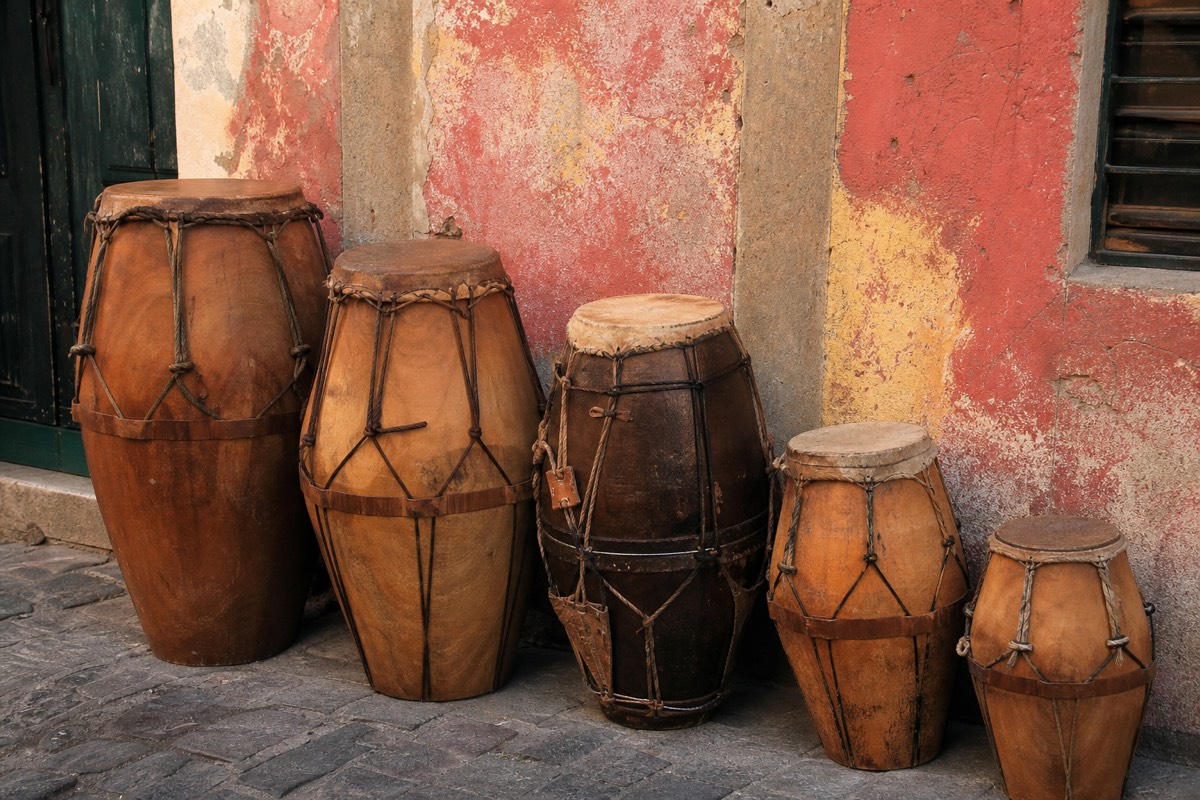
Candombe descends from the traditions of enslaved Africans brought to the River Plate, and it survives as street practice rather than as staged performance. Three drums, played in formations called comparsas, moving through the southern neighbourhoods of the capital. Alongside it runs murga, a satirical choral form that turns the year's politics into song and fills open-air stages across the city through the season.
Tango is shared with Argentina and claimed enthusiastically on both banks, with Carlos Gardel one of the longest-running arguments between the two countries. Our candombe and carnival guide covers what happens when, and how to see the Desfile de Llamadas without booking a package you do not need.
Is The Reputation For Stability Deserved?
By the measures available, yes. Uruguay ranks as the most peaceful country in South America on the Global Peace Index, and it has long been described as one of the region's most institutionally stable democracies.
That does not make it crime-free. Foreign advisories flag street crime in Montevideo specifically, including bag-snatching and robbery, and note that rates are generally lower outside the capital. The honest version is a stable, quiet country with a capital that requires the same street sense as any city of its size. Our Montevideo travel guide and the full range of Uruguay tours we offer pick up from there.
Uruguay’s political institutions and social policies are context for a visit, not benefits that a tour can sell or guarantee.