Is Estadio Centenario Worth Visiting?
Estadio Centenario opened in 1930 as the main venue of the very first FIFA World Cup, and in 1983 FIFA declared it the first and only Historical Monument of World Football. Sitting in Parque Batlle with a capacity of 60,235, it is far more than a sports venue. Our team thinks it is one of the most rewarding stops in Montevideo, especially when you combine the museum, the tower and, if your timing is right, a match.
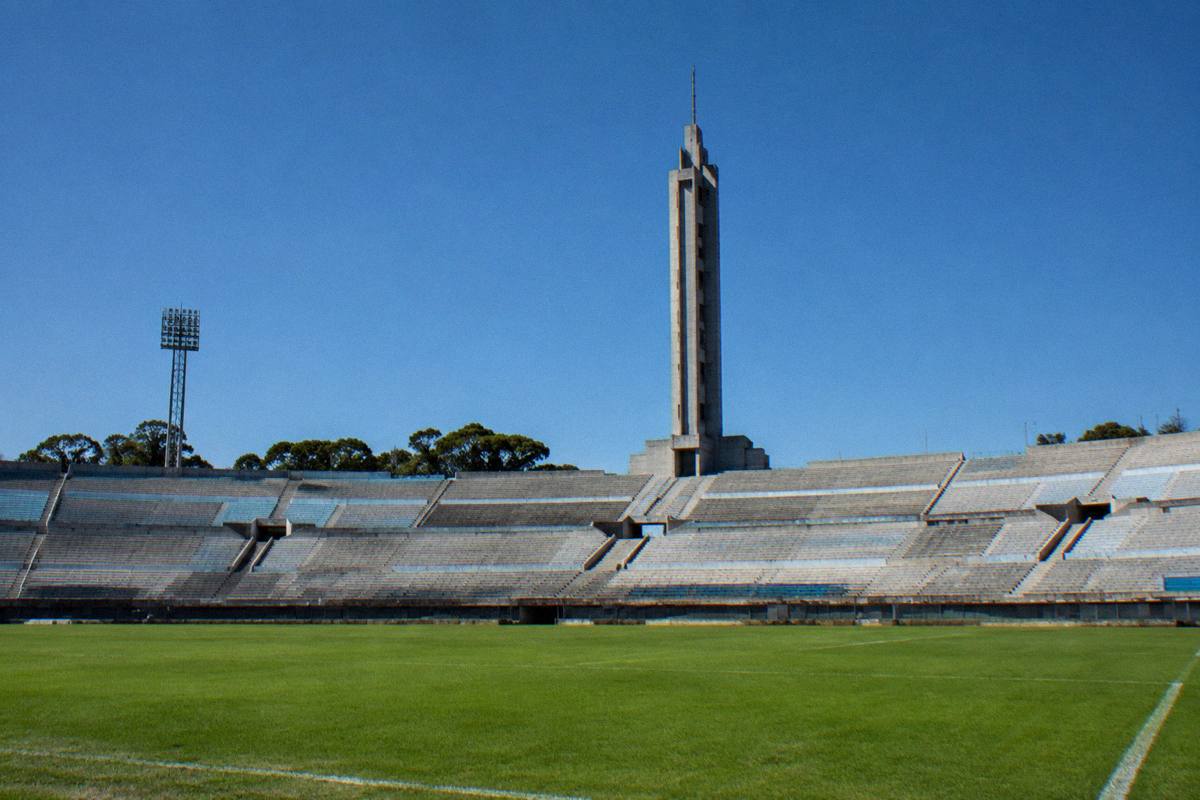
Very few stadiums in the world carry the weight of Estadio Centenario. It is the place where the World Cup began, and FIFA itself has recognized it as a Historical Monument of World Football, the only stadium ever given that title. Whether you care deeply about football or not, the building and its museum tell a story about Uruguay that you cannot get anywhere else in the city.
Our team has walked plenty of visitors through the question of whether the stadium deserves a slot on a short itinerary, and the honest answer is that it almost always does. This guide lays out what the stadium is, what the museum contains, how match days work, how to get there, and a clear verdict on who should go and who can skip it.
Why The Stadium Matters: The 1930 World Cup
Estadio Centenario was built in 1930 to host the 1930 FIFA World Cup and to mark the centenary of Uruguay's constitution, and on 18 July 1983 FIFA declared it the first and only Historical Monument of World Football, a status no other stadium on earth holds. With a capacity of 60,235, it remains the largest stadium in Uruguay and the home ground of the national team.
The story starts with a bid. Uruguay won the right to host the inaugural World Cup in part because the country was celebrating the centenary of its constitution, and the government committed to building a stadium worthy of the occasion. The result was a concrete bowl that was, for its time, one of the most ambitious sporting structures anywhere in the world.
The final of that first tournament was played at Centenario, where Uruguay became the first world champion in football history. That victory is not a footnote here. It is woven into the national identity, and it explains why Uruguayans treat the stadium almost as sacred ground. When you stand in the tribune and look down at the pitch, you are looking at the same field where the first World Cup was decided.
There is a second layer to the story that many visitors miss. Uruguay's footballing prestige predates the tournament itself, built on Olympic gold and on early South American championships, and the Centenario project was the physical statement of a small country that considered itself, with real justification, the beating heart of world football at the time. The museum inside the stadium tells this whole arc, from the origins of the game in Uruguay through to the present day.
Why The Monument Status Matters
When FIFA gave Centenario its Historical Monument designation in 1983, it effectively froze the stadium's place in football history. Other stadiums have hosted bigger finals and newer architecture, but none can claim to be the birthplace of the World Cup. That is the single best argument for visiting even if you only have one or two days in the city, a question we cover in depth in our guide on how many days you need in Montevideo.
The stadium also sits inside Parque Batlle, one of the city's great public spaces, so the visit pairs naturally with a walk through the surrounding parks and monuments. If you are building a full sightseeing plan, our best things to do in Montevideo guide places Centenario in context with the city's other highlights.
For context on how the stadium fits into the wider story of what this city offers, see our piece on what Montevideo is known for, where football and the 1930 tournament feature prominently. Uruguay as a country is famously football-mad, and the stadium is the clearest physical expression of that national passion.
One practical point follows from all this history: the stadium is still in active use, not a preserved relic behind ropes. That means your experience changes depending on whether there is a match on, and it means the venue has been maintained and adapted over decades rather than frozen as a museum piece. We cover the match-day question in full below.
The Museo Del Fútbol
The Museo del Fútbol inside Estadio Centenario is open Monday to Saturday from 10:00 to 17:00 and Sunday from 11:00 to 15:00, closed on match days, and admission in 2025-2026 was around 400 UYU for foreign visitors, 200 UYU for Uruguayans, 90 UYU for retirees, and free for children under 12. Your museum ticket also includes access to the stadium itself and to the panoramic elevator up the Torre de los Homenajes, the tower that rises above the stands.
The museum is the reason most travelers come, and it punches well above its price. The permanent collection walks you through Uruguayan football history from its origins to the present day, with trophies including two World Cups and Olympic gold medals, memorabilia, interactive exhibits, temporary exhibitions, and an auditorium with audiovisual presentations. Staff are multilingual, so English-speaking visitors are well looked after.
What surprises most visitors is how much the museum is really a museum of Uruguay. Football here is inseparable from the country's sense of itself, and the exhibits on the Olympic victories and the World Cup triumphs read like chapters of national history rather than a sports display. The two World Cup trophies in the collection are the headline pieces, and the memorabilia ranges from historic shirts and photographs to objects connected with the great figures of Uruguayan football.
Give yourself a solid ninety minutes to two hours if you like to read everything, or around an hour if you move quickly. The interactive exhibits and the auditorium's audiovisual presentations reward slowing down, and families with children tend to spend longer than expected because the interactive elements keep younger visitors engaged. Temporary exhibitions mean repeat visitors often find something new, so even if you came years ago, a second look is worthwhile.
The Tower View
The elevator ride up the Torre de los Homenajes is included in your ticket and is, in our team's view, one of the better viewpoints in the city. From the top you look down into the bowl of the stadium and out over Parque Batlle and the rooftops beyond. On a clear afternoon the light over the city is excellent for photographs.
Because stadium access runs through the museum ticket, you do not need to arrange a separate stadium tour for a basic visit. Group guided tours are available by arrangement, which can be worthwhile for school groups, clubs, or travelers who want a deeper dive. Check current hours and prices on the stadium's official museum page before you go, since schedules shift on match days and rates change over time.
A sensible visit sequence, in our experience, is to start with the permanent collection while your legs are fresh, then take the elevator to the tower, and finish by walking out into the stands to see the pitch from the tribune. Doing it in that order means you end on the most atmospheric moment rather than rushing it at the start.
How The Museum Compares To Other Montevideo Museums
| Experience | Best For | Rough Time Needed | Standout Feature |
|---|---|---|---|
| Museo del Fútbol at Centenario | Football fans, families, history lovers | 1 to 2 hours | World Cup trophies and tower view |
| Museo Andes | Visitors moved by survival stories | About 1 to 2 hours | Andes crash artifacts and testimony |
| City walking or sightseeing tour | First-time visitors | Half a day | Overview of landmarks and districts |
If museums are your thing, Montevideo has a genuinely strong scene, and the football museum sits comfortably among them. Visitors interested in the city's other moving museum experience should read our guide to the Museo Andes before deciding how to split their time.
A note on timing your museum day: the museum is closed on match days, so check the fixture calendar before you commit. If a match falls on your planned day, swap the museum to another day and buy match tickets instead, which we explain in the next section.
Seeing A Match
Estadio Centenario hosts both Uruguay national team matches and major club fixtures, with Peñarol and Nacional frequently playing there, and tickets are sold through AUF Tickets at auftickets.uy, Redpagos, Tickantel, or club websites, with club members getting priority sales before the general public. If a match coincides with your visit, our team considers it the single best way to experience the stadium.
There is a real difference between seeing Centenario empty and seeing it full. On a match day, the bowl fills with singing, drums, flags and the particular intensity of Uruguayan football culture. The rivalry between Peñarol and Nacional is one of the fiercest in world football, and even a regular league fixture at Centenario carries an atmosphere that most visitors never forget. With a capacity of 60,235, a full house is a genuinely imposing sight.
Planning matters here. Ticket sales typically open first to socios, club members, before general sales, so popular fixtures can sell out quickly. For big finals and international matches, buy as soon as sales open to the public. Minors often enter free or at reduced price when accompanied by an adult, which makes a match a family-friendly option, though verify the specific fixture's rules when you buy.
Match Day Logistics
Arrive early. The area around Parque Batlle gets crowded in the hours before kickoff, and security lines move slowly with a full-capacity crowd. Public transport is the smart choice on match days because parking near the stadium is difficult and streets close around the venue. Remember that the museum is closed on match days, so you cannot combine a museum morning with an afternoon kickoff.
Which match should a visitor target if there is a choice? A national team fixture brings the biggest occasion and the most pageantry, but tickets are hardest to get. A Peñarol or Nacional league game is usually easier to buy for and delivers the most authentic club atmosphere, with the local crowd noise doing most of the work. Either way, pick a seat in the covered stands if the forecast is uncertain, and plan your transport home in advance since everyone leaves at once.
| Situation | What To Do | Notes |
|---|---|---|
| National team match | Buy early via AUF Tickets or Redpagos | Highest demand, socios get priority |
| Peñarol or Nacional league fixture | Club sites or Tickantel | Great atmosphere, easier tickets |
| No match during your stay | Visit the museum and tower | Museum ticket includes stadium access |
| Match day but no ticket | Watch from a bar nearby | Museum closed that day |
Safety-wise, match days in Montevideo are generally manageable for visitors who take normal precautions, and our practical safety guide covers the wider context of getting around the city confidently, including at night. Keep valuables light, follow the crowd rather than fighting it after the final whistle, and you will be fine.
One more tip from our team: confirm the kickoff time close to the day. Fixture schedules in South American football can shift after tickets go on sale, and arriving at the wrong hour is a common and avoidable mistake for foreign visitors.
Getting There
Estadio Centenario sits in Parque Batlle, and you can reach it by city bus, with routes such as the 140 running from Ciudad Vieja and Centro, while a taxi from Ciudad Vieja takes roughly 15 to 20 minutes depending on traffic. The stadium is not in the historic center, so most visitors will need a short ride or bus trip to get there.
If you are staying in Ciudad Vieja, the walk to Parque Batlle is doable but long, and in summer heat most visitors prefer the bus or a taxi. The bus system in Montevideo is inexpensive and reasonably easy to use, and we cover the practical details, including how tickets and routes work, in our Montevideo practical travel guide. For orientation on the historic center itself, our Ciudad Vieja guide helps you plan where to start your day.
Parque Batlle itself deserves more than a quick pass. The park contains monuments and green space that locals use heavily for walking and exercise, so budget some time to wander before or after your stadium visit. Combining the park, the stadium and a museum visit makes for a satisfying half-day loop that does not require you to cross the city repeatedly.
Getting There By Tour
Several sightseeing options pass through or stop near Parque Batlle, and for many travelers this is the easiest way to see the stadium without planning transit on their own. The Best Half-Day Montevideo City Sightseeing Tour covers the city's landmarks with a guide in a small group of up to 16 people, and Parque Batlle's monuments and stadium area fit naturally into that circuit. It suits first-time visitors who want commentary and context rather than just a ride.
The Montevideo Classic Hop-On Hop-Off Bus Tour also runs circuits that include Parque Batlle among neighborhoods like Tres Cruces and La Aguada, and its flexibility suits travelers who want to hop off near the stadium, visit the museum at their own pace, and hop back on later. Check the live timetable at the stop on the day, since schedules vary by season.
For football fans who want more than a drive-by, the Private Montevideo Discovery Tour with a local guide can be shaped around your interests, and sports fans on that tour can pay the extra ticket to enter the tribune and see the field where history was made in 1930. That private format is the most reliable way to guarantee real stadium time rather than a photo stop, and the local guide can add stories that no plaque will tell you.
| Way To Get There | Rough Cost Frame | Best For | Downside |
|---|---|---|---|
| City bus (e.g. route 140) | Cheapest option | Budget travelers, locals' rhythm | Need to know your stop |
| Taxi or ride app | 15 to 20 minutes from Ciudad Vieja | Comfort, heat, luggage | Costs more than the bus |
| Half-day sightseeing tour | From 35 USD per person | First-time visitors | Stadium is one stop among many |
| Hop-on hop-off bus | From 35 USD per person | Independent explorers | Fixed timetable to check |
| Private tour with local guide | From 400 USD per group | Fans who want stadium time | Higher price point |
Cruise passengers should note that the stadium is a short drive from the port rather than walkable, so if you are arriving by ship, our Montevideo cruise port guide explains how to weigh a stadium stop against the city's other port-area attractions. With limited hours ashore, a guided tour that bundles Parque Batlle with other highlights is often the more efficient choice.
Our Verdict
Yes, Estadio Centenario is worth visiting, and for most travelers it ranks among the top handful of attractions in Montevideo. Football fans should treat it as essential, and even casual visitors will find the museum, the trophies, and the tower view genuinely rewarding for a couple of hours and a modest ticket price. The only travelers who should skip it are those with zero interest in history or sport and a very tight schedule.
Our team's honest framing is this: Centenario is not just a stadium, it is the reason the World Cup exists as a tournament, and standing in a bowl that FIFA itself has named a Historical Monument of World Football is a different category of experience from a normal stadium tour. The museum is well curated, the price is low by international museum standards, and the tower gives you one of the better city views included with your ticket.
The best-case visit combines the museum and tower on a non-match day with a match if your dates allow it. If you cannot see a match, do not feel shortchanged: the museum alone justifies the trip. If you are deciding between Centenario and other city highlights on a tight itinerary, our Montevideo itinerary guide for one, two and three days shows where the stadium fits in a balanced plan.
One timing note for December and January travelers: Uruguay's holiday calendar is unusual. Christmas Day itself is officially called Día de la Familia, a renaming that dates to a 1919 law, and the early-January holiday of Epiphany is officially Día de los Niños. If you are visiting over the holidays, expect museum closures on 25 December and 1 January, and reduced bus frequency on some holiday dates. Plan a stadium visit for another day, and check the museum's schedule before heading over during that stretch. Our best time to visit Montevideo guide has more on seasonal planning.
Who should skip it? Travelers with no interest at all in sport or history, and visitors in the city for only a few hours on a port call with other priorities. Everyone else, including families with children under 12 who enter the museum free, will get real value from the visit. In short: go. Bring your camera for the tower, give the museum the time it deserves, buy match tickets early if a fixture falls on your dates, and you will understand why this concrete bowl in Parque Batlle means so much to an entire country.