What Is Montevideo Known For?
Ask a Montevideano what defines their city and the answer is rarely a building. It is more likely to be the Rambla at seven in the evening, thermos under one arm, mate gourd in the other hand, walking nowhere in particular.
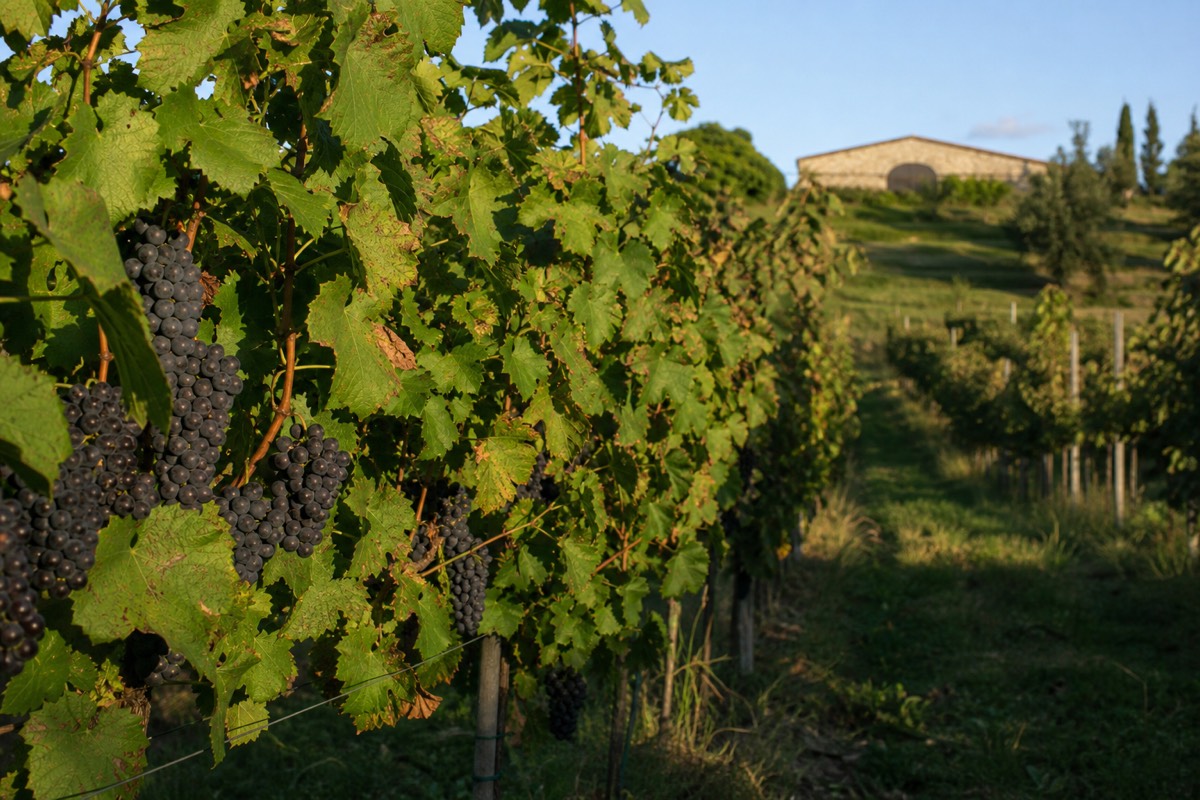
Montevideo is best known for its 22 kilometre waterfront Rambla, the colonial old town of Ciudad Vieja, the eccentric Palacio Salvo skyscraper, Teatro Solís, the wood-fired grills of the Mercado del Puerto, candombe drumming, and a carnival season considered the longest in the world. Football history runs underneath all of it, since the first World Cup final was played here in 1930.
The city’s signature experiences are spread out: waterfront, historic streets, football landmarks, food and music.
Booking Shortlist: Half-Day Montevideo City Tour. Link the old town, Agricultural Market and Pocitos waterfront in one guided loop.
What makes the city unusual is how much of that list is still in everyday use. The Rambla is not a viewpoint, it is where the city exercises. The market is not a heritage exhibit, it is where people eat lunch. The drumming happens in the street because that is where it has always happened.
Why Is The Rambla The City's Real Landmark?
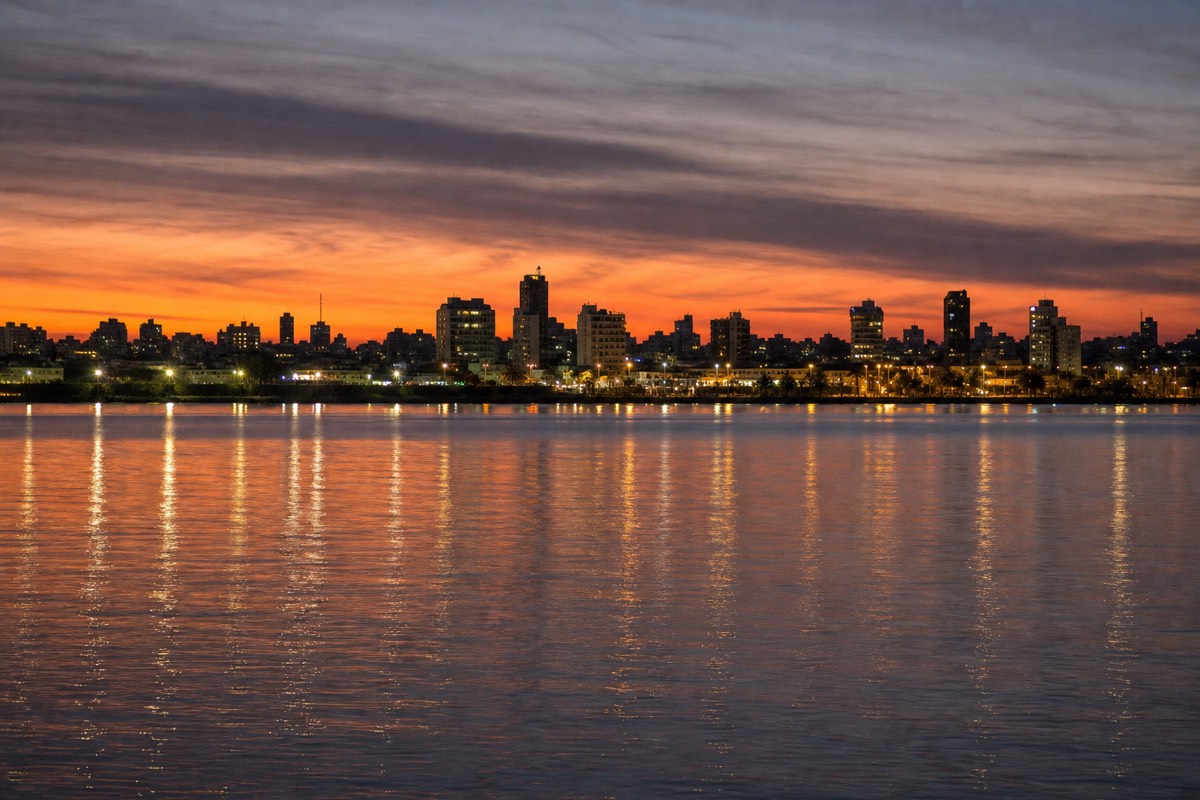
The Rambla runs more than 22 kilometres along the River Plate without a break, which puts it among the longest continuous waterfront promenades in the world, and it functions as Montevideo's shared front garden.
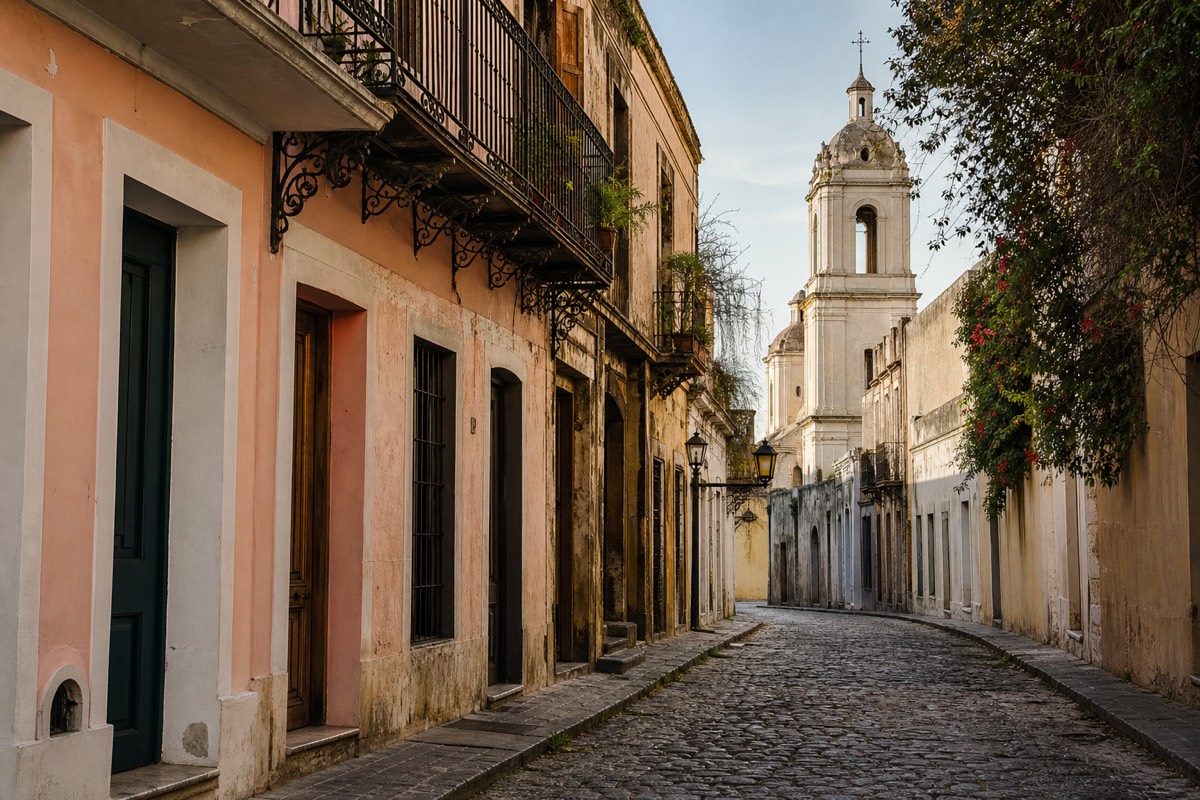
It links the port at Ciudad Vieja to Parque Rodó, Pocitos, Punta Carretas, Malvín and eventually Carrasco, stitching together neighbourhoods that would otherwise feel unrelated. Along the way it collects beaches, fishing spots, football pitches, skate ramps and a permanent low-level traffic of people carrying hot water for mate.
For visitors, it is also the easiest orientation device in the city. Get on it anywhere and you know which way is west. The guided e-bike tour uses it as a spine, running from Pocitos through Parque Batlle and the Centenario Stadium into the old town and back along the water to the Montevideo sign. Our Rambla and beaches guide breaks the route into sections worth walking.
What Are The Buildings People Come To See?
Palacio Salvo, Teatro Solís and the colonial grid of Ciudad Vieja carry the architectural reputation, and all three sit within a few minutes of each other around Plaza Independencia.
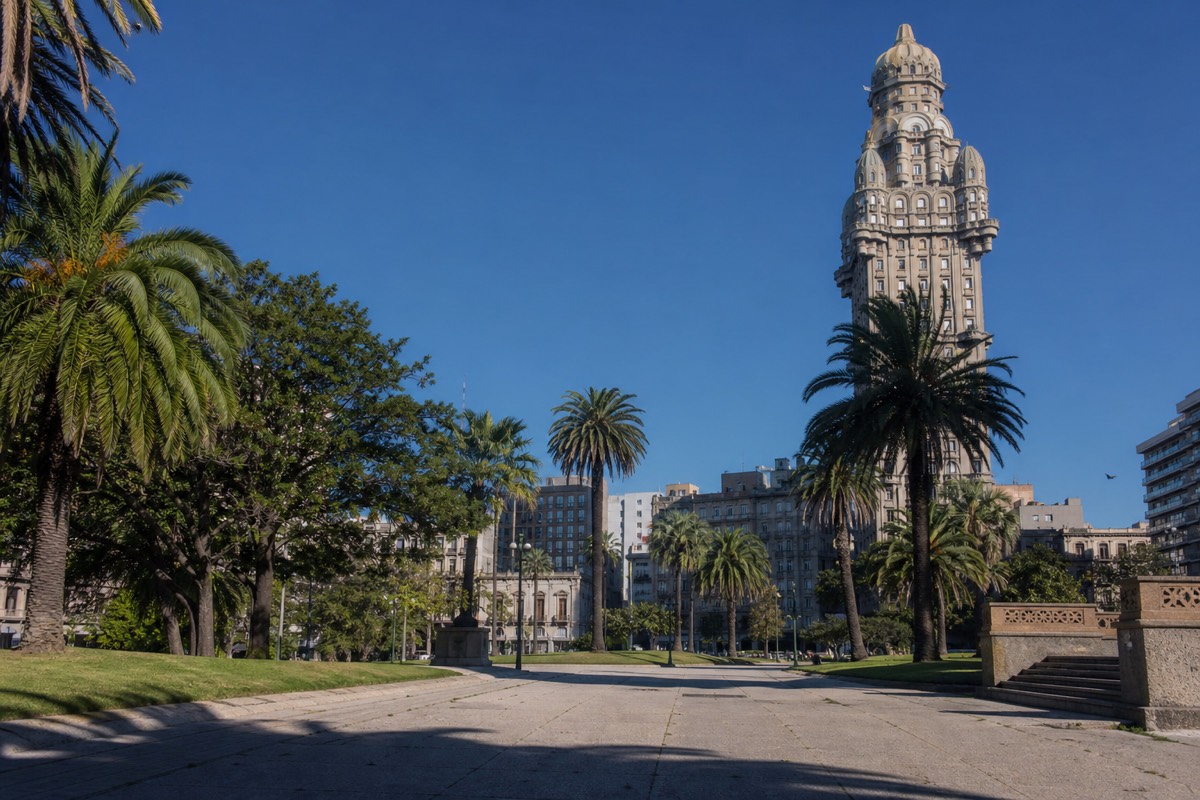
Palacio Salvo is the one on every postcard: 27 storeys, 105 metres, designed by the Italian architect Mario Palanti and built between 1925 and 1928 in a style nobody has ever managed to categorise neatly. Teatro Solís opened in 1856 and is the oldest operating theatre in South America, still programming opera, ballet and concerts. Ciudad Vieja itself, the walled Spanish colonial city founded in the mid-1720s, holds the cathedral, Plaza Matriz and a run of nineteenth-century facades that reward slow walking.
The distances between the headline sights and the outlying ones, the Legislative Palace, Parque Batlle, the Centenario Stadium, are what catch people out. A half-day city sightseeing tour covering eleven stops for around $35 solves that in one morning, and our Ciudad Vieja guide handles the walkable part in more depth.
What Is Candombe, And Why Does It Matter Here?
Candombe is the Afro-Uruguayan drumming tradition that UNESCO recognised in 2009. Three drums, chico, repique and piano, played in the street in formations called comparsas, and it is the sound Montevideo is known for.
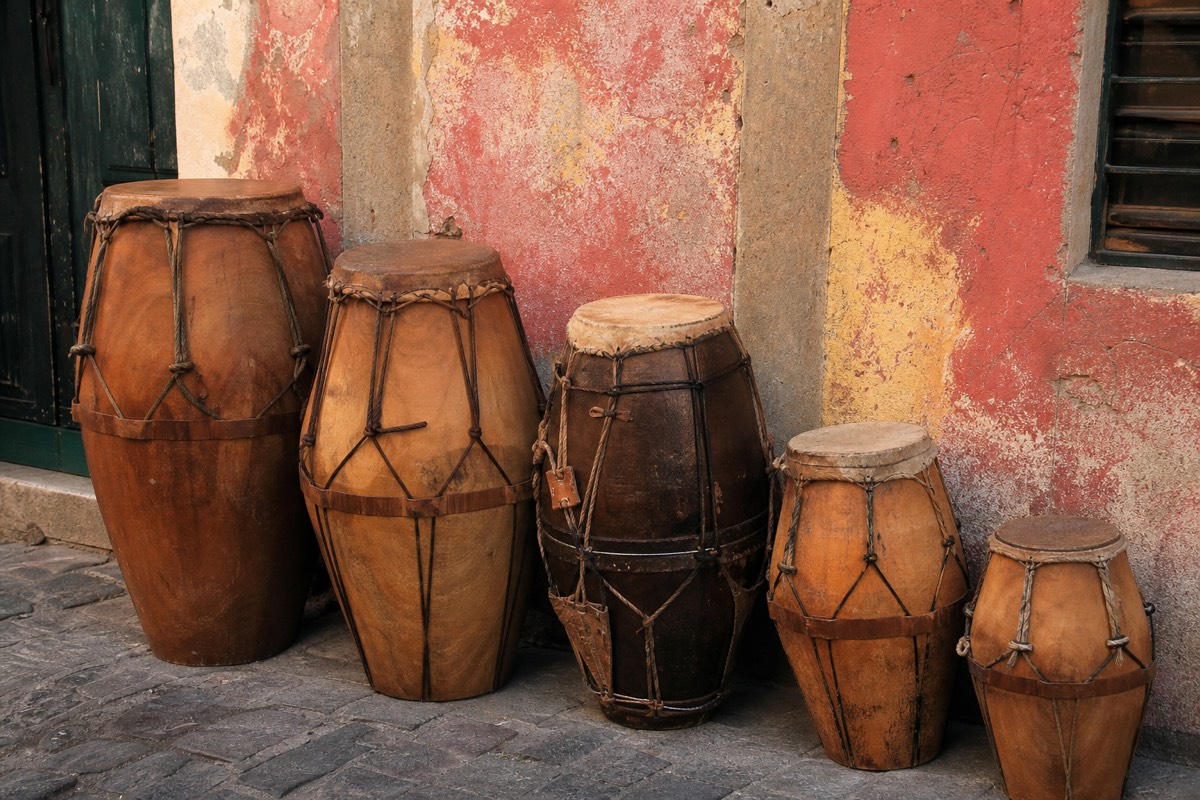
It descends from the traditions of enslaved Africans brought to the River Plate, and it survives as living neighbourhood practice rather than as a museum piece. On many evenings you can hear a comparsa rehearsing through the streets of Barrio Sur or Palermo before you see it.
Carnival is where it peaks. Montevideo's carnival season runs roughly 40 days, considered the longest carnival celebration anywhere, and includes the Desfile de Llamadas, when comparsas parade through the southern neighbourhoods. Alongside candombe sits murga, the satirical choral theatre that fills the tablados across the city. We cover the whole season in our candombe and carnival guide.
Tango belongs in this paragraph too, since the River Plate shares it with Buenos Aires. Baar Fun Fun, open since 1895 and declared Cultural Heritage of Montevideo, is where you can take a tango lesson in a genuinely historic room rather than a show venue built for tourists.
What Is Montevideo Known For Eating And Drinking?
Beef over wood fire, the chivito sandwich, Tannat wine, and mate. Those four cover most of what the city puts on a table.
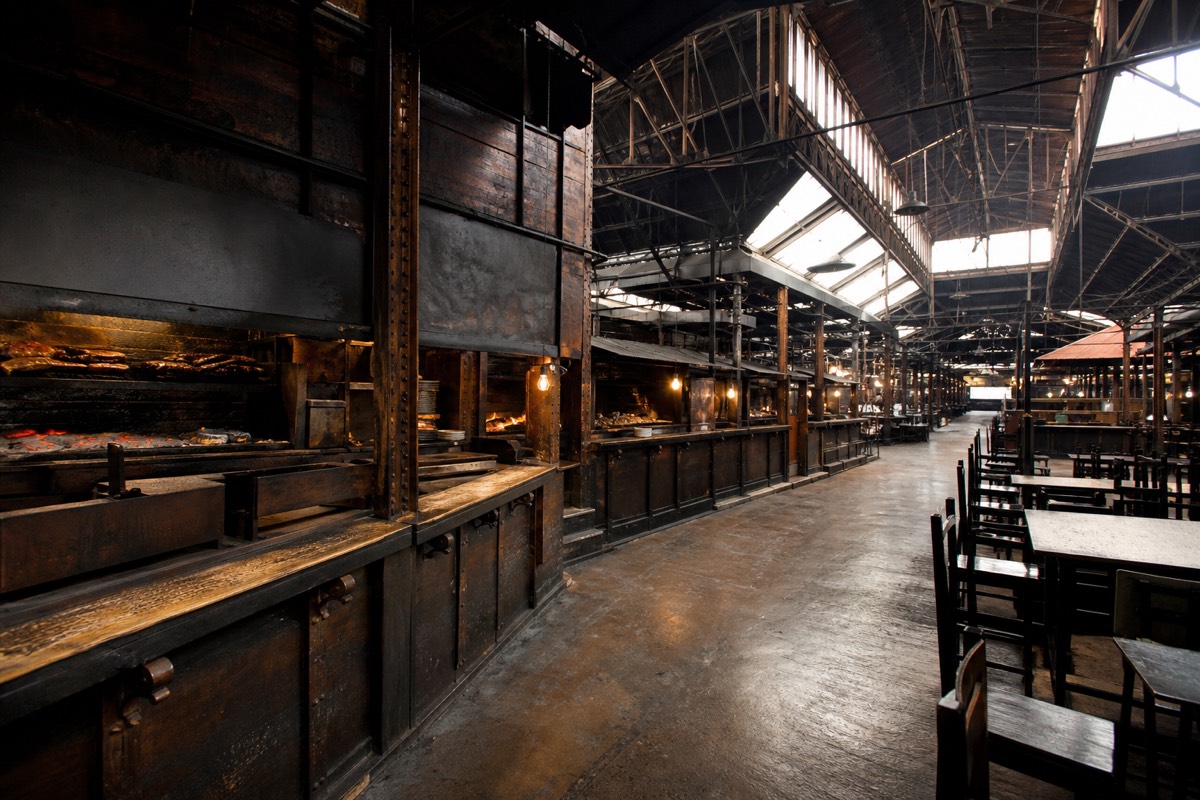
The Mercado del Puerto, inaugurated in 1868, is the physical centre of the grill culture: an iron-framed hall by the port packed with parrillas working over open coals. The chivito, Uruguay's national sandwich, layers grilled beef with ham, mozzarella, egg and more into something that requires a plan. Tannat, the country's signature red grape, grows mainly in Canelones just outside the city. Mate is the constant, carried everywhere, shared rather than ordered.
We go deeper into all of it in what food Montevideo is known for, and you can see the full range of city tours, food walks and wine days on our Montevideo tours page.
And The Football?
Uruguay won the first World Cup in 1930, hosted at the Estadio Centenario in Montevideo, and won again in 1950. For a country of Uruguay's size, that record is the national calling card.
The Centenario still stands in Parque Batlle, still hosts matches, and houses a football museum. Most city tours stop outside it, and for a lot of visitors it is the moment the scale of Uruguay's football reputation stops being an abstract fact. The domestic rivalry between Peñarol and Nacional is among the oldest in world football, and a league match is one of the cheapest ways to spend an evening among locals rather than visitors.
What Else Draws People Here?
Two things that rarely make the headline lists: the Andes 1972 story, and the city's museum scene, which punches above the size of the capital.
The 1972 Andes crash and the survival of the Uruguayan rugby party that followed is a story known worldwide, and Montevideo is where it begins and ends. The Museo Andes 1972 in the city centre tells it through objects and testimony rather than spectacle, and visitors consistently rate it among the most affecting hours of their trip. We cover what to expect in the Museo Andes 1972 guide.
Beyond it, Montevideo holds a national history museum spread across colonial houses in Ciudad Vieja, a strong collection of Uruguayan painting, and the carnival museum near the port that explains the murga and candombe traditions when the season itself is months away. None of them require queuing, which is a recurring theme in this city.