Is Uruguay Friendly To Americans?
Uruguay asks a US passport holder for very little: no tourist visa for stays up to 90 days, no advance paperwork, no drama at the border. The friendliness question is really two questions, and they have different answers.
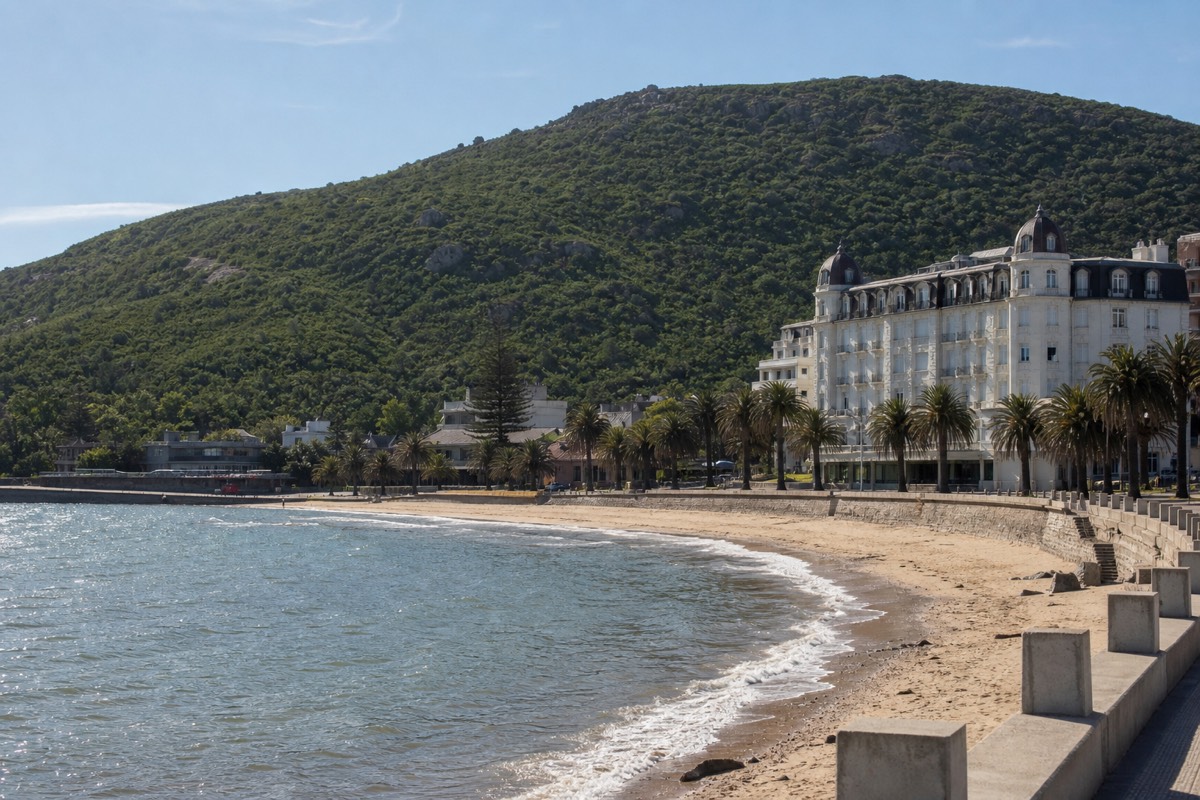
In practical terms, yes. US citizens enter Uruguay visa-free for tourist stays of up to 90 days, arrival formalities are light, and the country ranks as the most peaceful in South America, 43rd globally on the 2026 Global Peace Index. That is the part that can be stated plainly and backed up.
Entry requirements and personal precautions come first. Once you have sorted those, English-language tours and a planned arrival transfer can simplify the visit.
Booking Shortlist: Half-Day Montevideo City Tour. Link the old town, Agricultural Market and Pocitos waterfront in one guided loop.
The second half of the question, how warmly Americans are received socially, does not have a clean statistic behind it and we are not going to invent one. What we can say is that Uruguay runs a normal, open tourism economy, that guides and hospitality staff in Montevideo work with international visitors daily, and that nothing in any government advisory suggests American travellers face targeted hostility. The realistic frictions are language and ordinary urban crime, not nationality.
What Does Entry Actually Involve?
A valid US passport and a return or onward ticket. No tourist visa is required for visits up to 90 days, and there is no pre-arrival application to file.
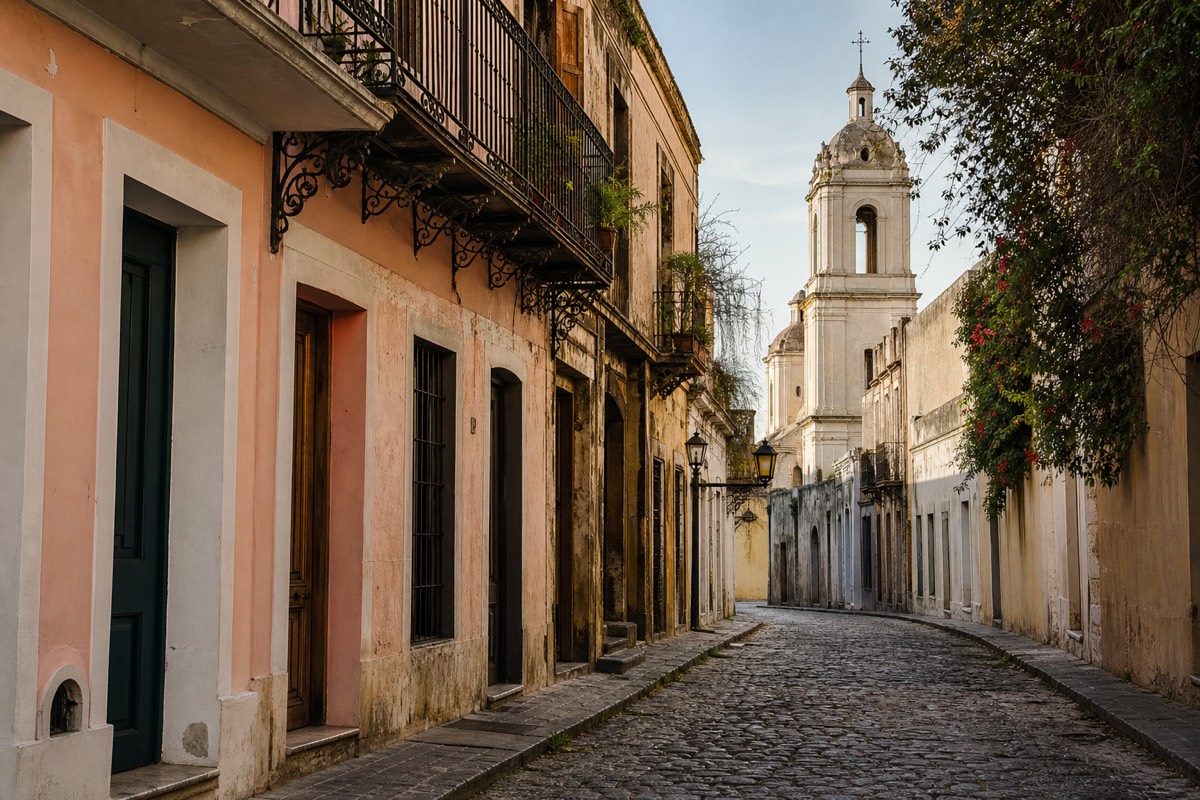
Most visitors fly into Carrasco International Airport, roughly 20 kilometres from central Montevideo, or arrive by ferry from Buenos Aires into the port at the edge of Ciudad Vieja. Ferry arrivals clear both countries' formalities in one building before boarding, which makes the crossing feel more like a domestic transfer than an international one.
Currency is the Uruguayan peso, around 40 UYU to the US dollar as of August 2026, and rates move, so check before you convert. Cards are widely accepted in Montevideo, though small cafés, market stalls and neighbourhood parrillas still favour cash. Our practical travel guide covers money, transport and the day-to-day logistics in detail.
A tour booking does not establish permission to enter Uruguay. Resolve your travel-document requirements before paying for fixed-date activities.
What Do Official Advisories Say?
Every major advisory says the same thing in different words: Uruguay is stable, and Montevideo has street crime worth taking seriously. Neither half should be dropped from the summary.
The US State Department asks travellers to exercise increased caution in Uruguay due to crime, noting that violent crime including homicide, armed robbery, carjacking and theft occurs across the country. The UK's Foreign Office describes bag-snatching, pickpocketing, mugging and sometimes armed robbery in Montevideo, and advises against walking downtown or in the port area alone, especially at night and at weekends. Canada's guidance is normal security precautions nationally, with a higher degree of caution in Montevideo specifically. All three note that crime rates fall outside the capital.
None of this is about who you are. It is about where and when you walk. We go through the neighbourhood detail in our Montevideo safety guide and in where to avoid in Montevideo.
A guided outing does not replace current travel-advisory advice or ordinary precautions. No sightseeing product is a substitute for that decision.
Will The Language Barrier Be A Problem?
Spanish is the working language. English is common enough in hotels, tour operations and the main restaurants that a trip runs smoothly without Spanish, but it is not universal once you step outside those settings.
Expect to use a translation app in a neighbourhood bakery, at a market stall, or with a taxi driver. Expect not to need one on a guided tour, since Montevideo's operators generally work in English, Spanish and Portuguese. The multilingual setup is standard rather than a premium add-on: the half-day city sightseeing tour, for instance, runs with English-speaking guides as a matter of course.
Uruguayans are also used to Portuguese-speaking Brazilian visitors and Spanish-speaking Argentines, so the tourism trade is already built around handling several languages at once. An American traveller is not an unusual case.
How Easy Is It To Get Around?
Easier than most South American capitals. Montevideo is flat, low-rise and compact enough that taxis and ride apps handle almost everything, and the main visitor neighbourhoods sit along one continuous waterfront road.
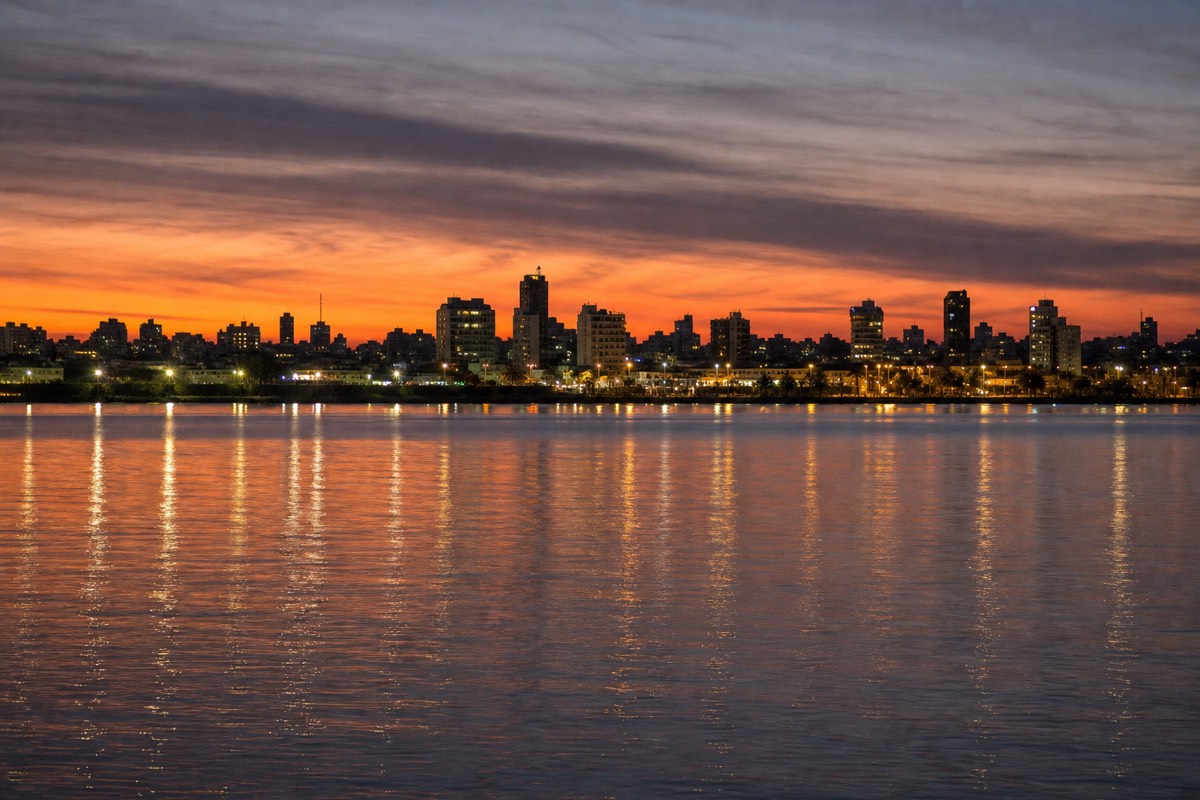
There is no metro. City buses run frequently and cheaply but take some working out if you do not read Spanish, so most short-stay visitors default to ride apps, which operate normally here. Distances are modest: the old town to Pocitos is a ten to fifteen minute drive outside rush hour, and the airport at roughly 20 kilometres out is a straightforward half-hour transfer.
Walking works well within neighbourhoods and badly between them. Ciudad Vieja is a compact colonial grid you can cross in fifteen minutes. Getting from there to Parque Batlle or the beach districts on foot is technically possible and rarely a good use of a holiday afternoon. Renting a car is unnecessary for a city stay and only starts to make sense if you are heading east along the Atlantic coast.
How To Make The Trip Go Smoothly
Behave the way you would in any mid-sized capital: keep your phone out of sight on the street, use ride apps or booked cars after dark, and stay in the neighbourhoods built for visitors. That covers almost everything the advisories are warning about.
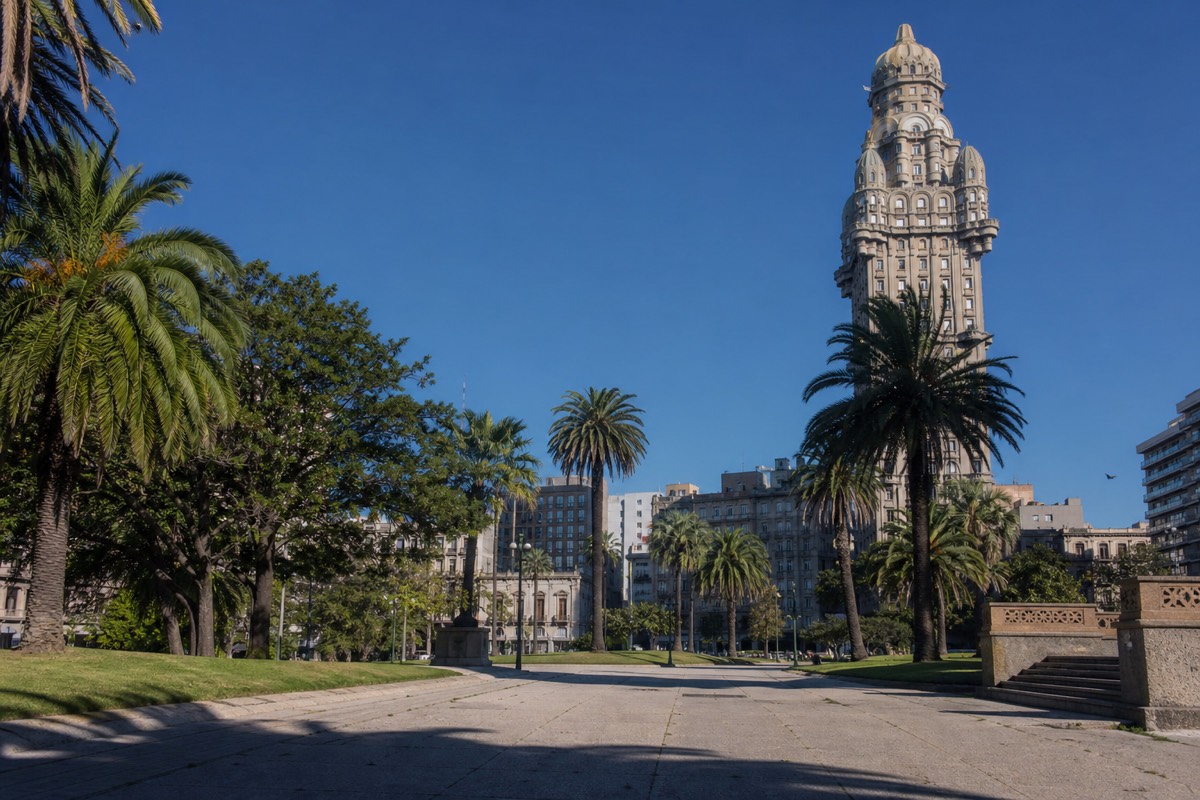
Ciudad Vieja, Pocitos, Punta Carretas and Carrasco are the areas where visitors spend their time, and where the hotels, restaurants and museums are. Carry a card and a modest amount of cash rather than a full wallet. Treat the port surroundings and the quieter parts of the old town as daytime places.
If you would rather someone else handle the geography on your first day, a private guide removes most of the guesswork at once. The private Montevideo discovery tour is run by a family operation that builds the day around what you actually want to see. Check the live listing for current pricing, and browse everything else on offer through our Montevideo tour collection.