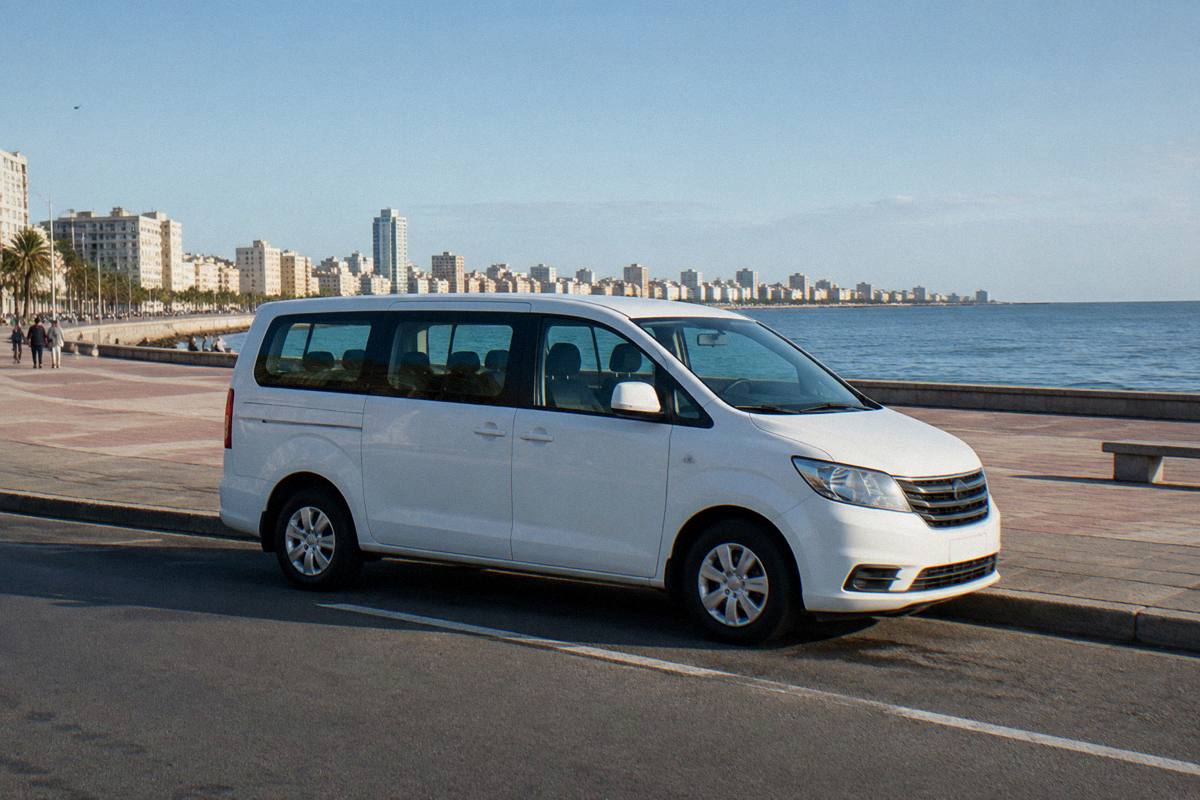
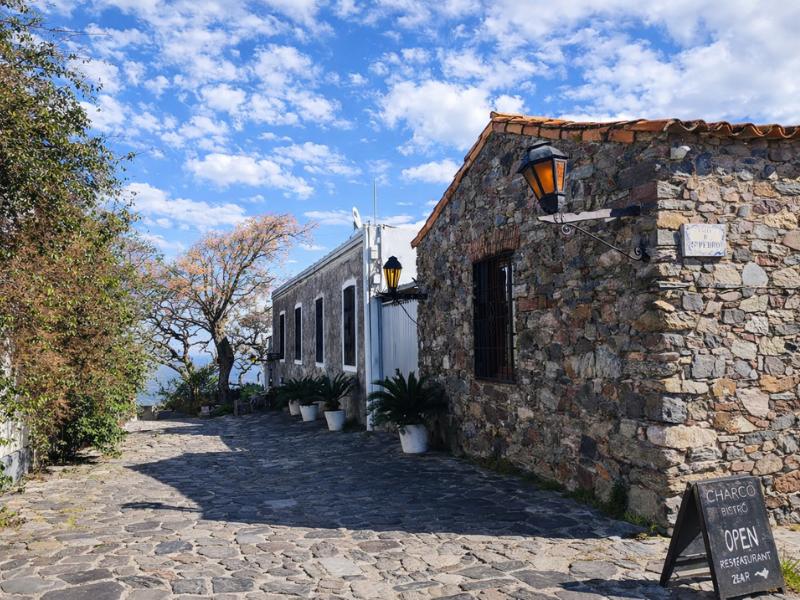
Renting A Car In Uruguay: Rules, Costs And Routes
Uruguay drives on the right, keeps headlights on 24 hours a day and enforces a zero-tolerance blood alcohol limit of 0.00% under a law in force since January 2016. Rentals require an international credit card in the driver's name, with deposits that vary by vehicle category and can be reduced with extra insurance. Our team breaks down what those rules mean in practice, what a rental really costs, and which routes from Montevideo justify the wheel.
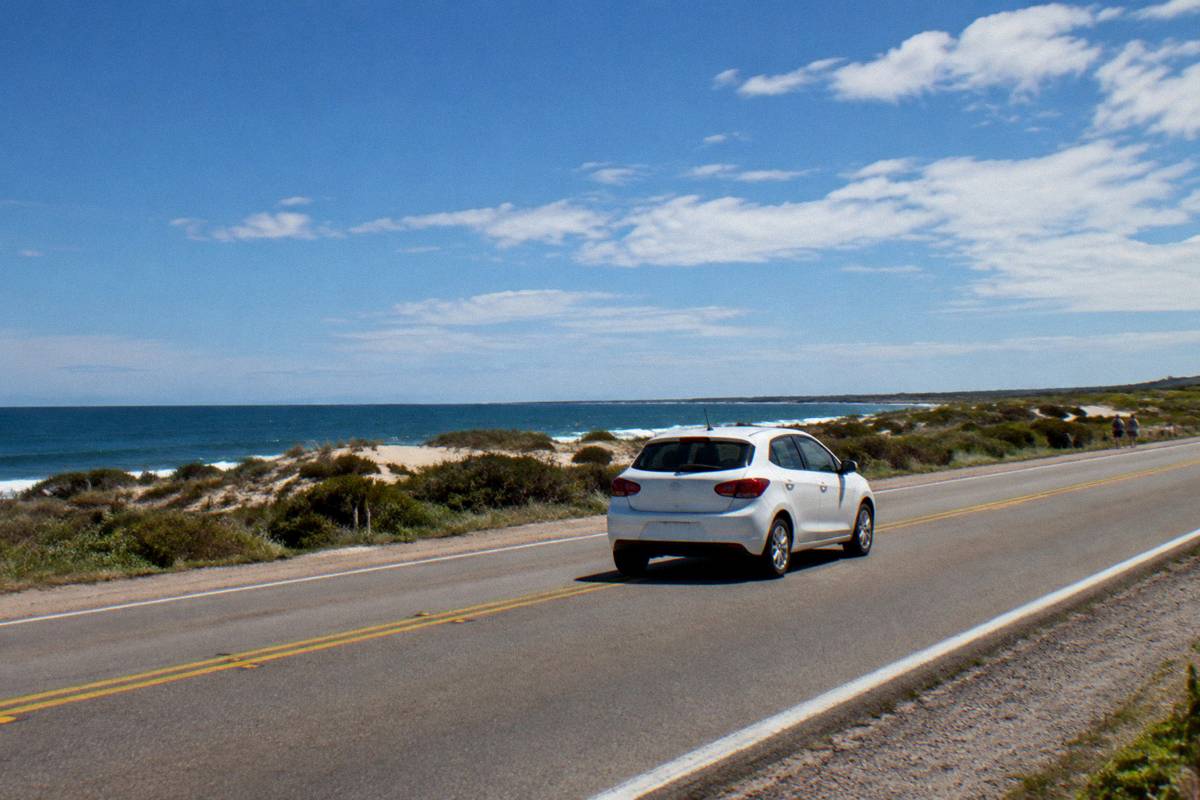
Uruguay is one of the easiest countries in South America to drive: distances are short, main routes are paved and camera-monitored, and the classic loop from Montevideo to Colonia del Sacramento or Punta del Este fits comfortably into a day. But the details matter. Deposits are high, tolls are fully electronic, and a few local rules, like mandatory headlights at all hours, catch visitors off guard.
Do You Need A Car In Montevideo?
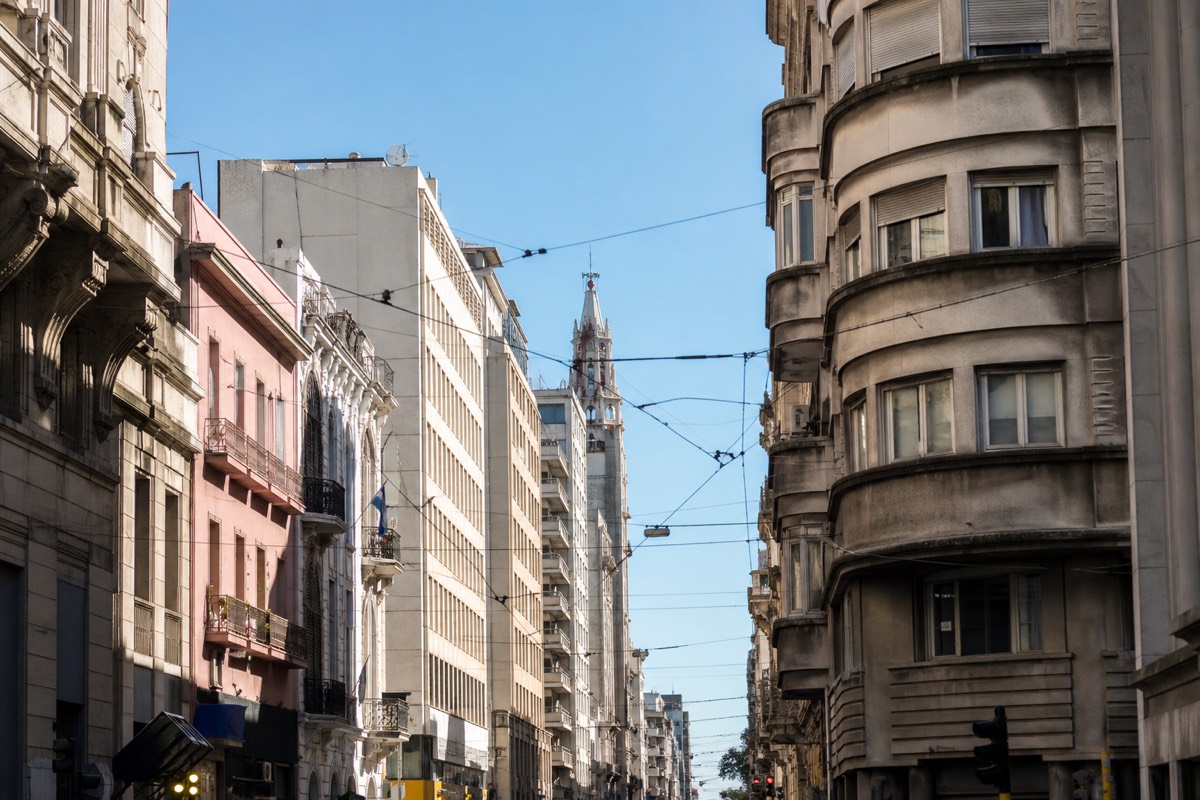
For most visitors, no: Montevideo itself is a walking, taxi and bus city, and a rental only earns its cost once you leave it. The Ciudad Vieja, Centro, Cordón and the Rambla are all walkable or reachable by cheap local transport, and parking in the tarifado zones costs UYU 52 per hour on weekdays. A car starts making sense when you want the Ruta 1 corridor toward Colonia, the wineries of Canelones, or the Atlantic coast beyond Punta del Este.
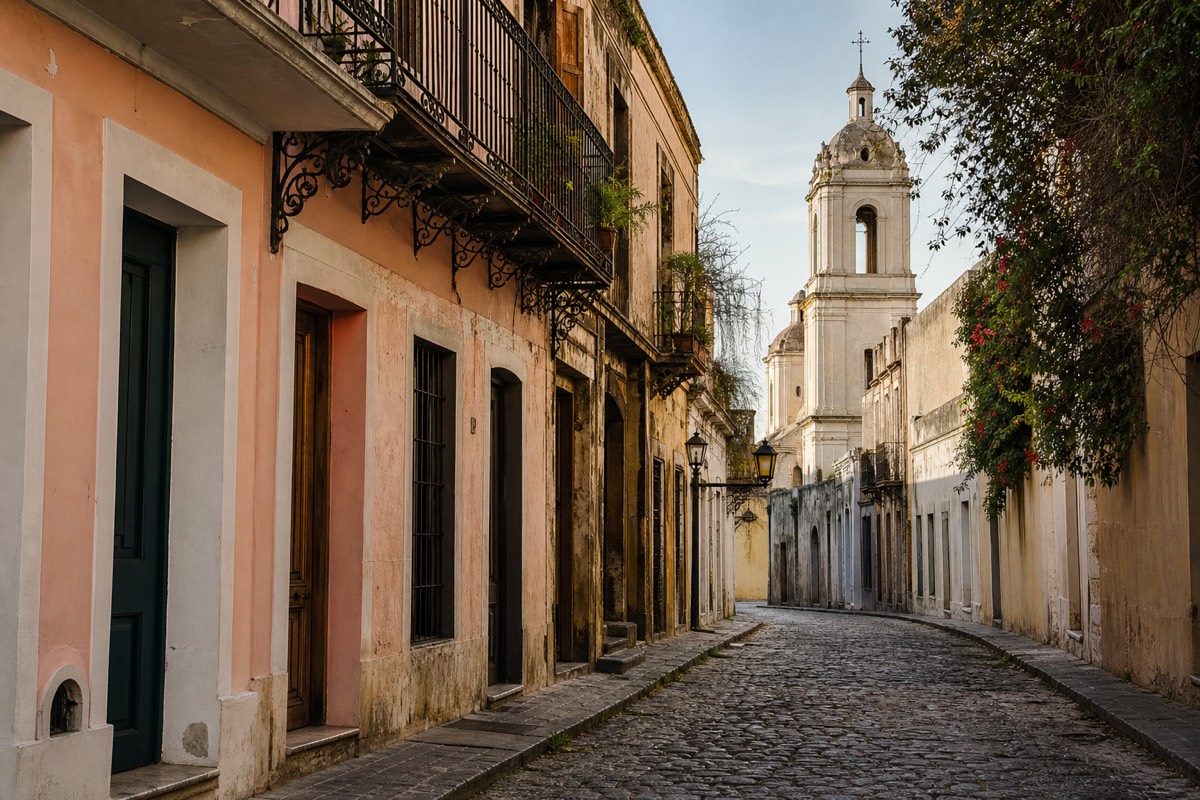
Consider what your days actually look like. If you are staying three or four nights and plan to wander the old city, eat at the markets and stroll the Rambla, a car sits parked most of the time while you pay for it daily and feed meters in the center. Our Montevideo itinerary for 1, 2 and 3 days can be done entirely on foot and by taxi. Cruise passengers have even less reason to drive; the port sits at the edge of the historic center, as our Montevideo cruise port guide explains.
Where a car genuinely helps is freedom of timing. Buses in Uruguay are good, but they run on their schedule, not yours. If you want to leave for Colonia at dawn, stop at a roadside asado, detour through San José farmland and linger for sunset on the Río de la Plata, driving beats the roughly 2 hour 50 minute bus ride from Tres Cruces. The same logic applies to the wine country in Canelones, where bodegas are scattered across country lanes rather than clustered around one bus stop.
There is also a middle path many visitors miss: drive nothing in the city, and take a guided day trip for the one long-distance excursion. A Colonia del Sacramento full-day tour from Montevideo with a local guide handles the roughly 180 km each way while you listen to commentary, and it costs from about USD 60 per person, which is often less than a one-day rental once you add fuel, tolls and parking.
Who Should Skip The Rental Entirely
Solo travelers on a short stay, cruise passengers with one day in port, and anyone uncomfortable with electronic toll billing or high credit card holds should skip the car. Montevideo taxis are metered and reasonably priced, the city bus network is extensive, and ride-hailing apps operate locally. If your trip is Montevideo plus one day trip, do the math: a day of rental, fuel for a full round trip to Colonia, tolls in each direction and city parking usually exceeds the price of a seat on a shared excursion.
Driving Licence And Age Requirements
Foreign licences are accepted for tourists, and an International Driving Permit is not required by rental companies, though some sources recommend one for licences not in Spanish. You must carry the original licence, not a copy. Minimum rental ages range from 18 to 23 depending on the company: Montevideo Rent A Car rents from 18 and Avis from 21, and most firms add a surcharge for drivers under 23 or with under two years of licensed experience.

In practice, the licence question is simpler in Uruguay than in much of the region. US, European and Latin American licences are routinely accepted at the counter, and rental conditions published by local operators such as Montevideo Rent A Car confirm that an IDP is not a condition of renting. That said, an IDP is cheap insurance against a police stop where an officer cannot read your licence, and some travelers prefer to carry one anyway. It is a recommendation from some sources, not a legal or contractual requirement.
The age rules deserve more attention than the licence rules. The spread from 18 to 23 across companies means a 20-year-old cannot simply book the cheapest desk at Carrasco airport. Where a company does rent to younger drivers, expect two penalties: a daily surcharge of roughly USD 5, and a security deposit about 50% higher than the standard hold. For a young couple planning a week of driving, that extra deposit can push the card hold well past what a low-limit card can absorb, which matters for budgeting.
| Driver Profile | Typical Rental Situation | What To Watch |
|---|---|---|
| 23 or older, 2+ years licensed | Rents anywhere, standard deposit | Just the normal credit card hold, which varies by vehicle category |
| 18-22, or licensed under 2 years | Only some companies, e.g. 18 at Montevideo Rent A Car | ~USD 5/day surcharge and deposit about 50% higher |
| 21-22 at stricter firms | Avis rents from 21 | Company-specific terms; compare at least two desks |
| Any age, licence not in Spanish | Accepted, IDP not required | Some sources recommend an IDP; carry the original licence |
One more document point: the credit card must be in the renter's own name. A partner's card, a debit card or cash will not release the vehicle at most companies, and no amount of negotiation at the counter changes this. Check the card's available credit before you fly, because the hold is placed on top of the rental price.
Rental Costs, Insurance And Deposits
Every rental in Uruguay includes SOA, the mandatory basic third-party liability insurance, but its limits are low, so supplemental CDW or LDW coverage is strongly recommended. The deposit, taken on an international credit card in the renter's name, varies by vehicle category and can be reduced by roughly half with extra insurance. Daily rates themselves vary widely by season, company and how far in advance you book, so treat any figure you see online as a starting point.
The deposit is the single biggest surprise for most visitors. It is not a fee: it is a hold on your card that covers the deductible and any damage assessment, released days or weeks after you return the car intact. Two levers control its size. First, the vehicle category: an economy car sits at the low end of the range, larger vehicles higher. Second, insurance: paying for the rental company's full coverage package can cut the hold by about 50%, which is worth doing if your card limit is tight even though it raises the daily rate.
On insurance, understand what SOA does and does not do. Seguro Obligatorio de Automotores is included in all rentals by law and covers basic third-party liability, but the caps are low enough that a serious accident could exceed them. The deposit you leave functions as your deductible or excess: scratch the car and the rental company deducts the repair from the hold. A CDW or LDW package, or a waiver bought through the rental desk, shifts that risk to the insurer. Some premium credit cards include rental car coverage abroad; verify before relying on it, and note the rental desk may still place the full hold regardless.
| Cost Item | Typical Amount | Notes |
|---|---|---|
| Security deposit | Varies by vehicle category | Hold on renter's credit card; higher for young drivers |
| Deposit with full extra insurance | ~50% lower | Reduces the hold, raises the daily rate |
| Young driver surcharge | ~USD 5/day | Under 23 or under 2 years licensed; deposit ~50% higher |
| SOA mandatory insurance | Included | Basic third-party liability only, low limits |
| Fuel, Súper 95 | UYU 88.67/litre | ANCAP price from September 2026; check before you go as it moves periodically |
| City parking (tarifado zones) | UYU 52/hour | Mon-Fri 10:00-18:00; free weekends and holidays |
Fuel deserves a line of its own. ANCAP, the state oil company, sets prices nationally, and as of the September 2026 update Súper 95 gasoline cost UYU 88.67 per litre, with Gasoil 50-S diesel around UYU 58.68 per litre, figures tracked by ANCAP price updates. Diesel is substantially cheaper per litre, so if a diesel option is offered at the desk and you are covering long distances, the arithmetic often favors it. Prices adjust periodically, so check the current figure before budgeting.
At Carrasco airport, the rental desks cluster in the arrivals hall on the ground floor: Avis and Budget, Sixt, Hertz, Europcar and Localiza among others, with hours typically aligned to flight schedules, often roughly 7am to 11pm or 24 hours with a reservation, per the airport's car rental information. Booking ahead matters in high season, January and February especially, when coastal demand strips the small and mid-size classes first. If you land without a reservation in February, expect whatever is left, usually at the top of the price range.
Rules Of The Road And Tolls
360, in force since January 2016, so one beer before driving is one too many. Speed limits are 45-60 km/h signposted in urban areas, 90 km/h on national routes and 90-110 km/h on dual-carriageway sections like parts of Ruta 1 and the Interbalnearia. Tolls are fully electronic, around UYU 167 per booth with a TAG or UYU 214 via SUCIVE as of the June 2026 update. d the Interbalnearia. Tolls are fully electronic, around UYU 167 per booth with a TAG or UYU 214 via SUCIVE as of the June 2026 update.
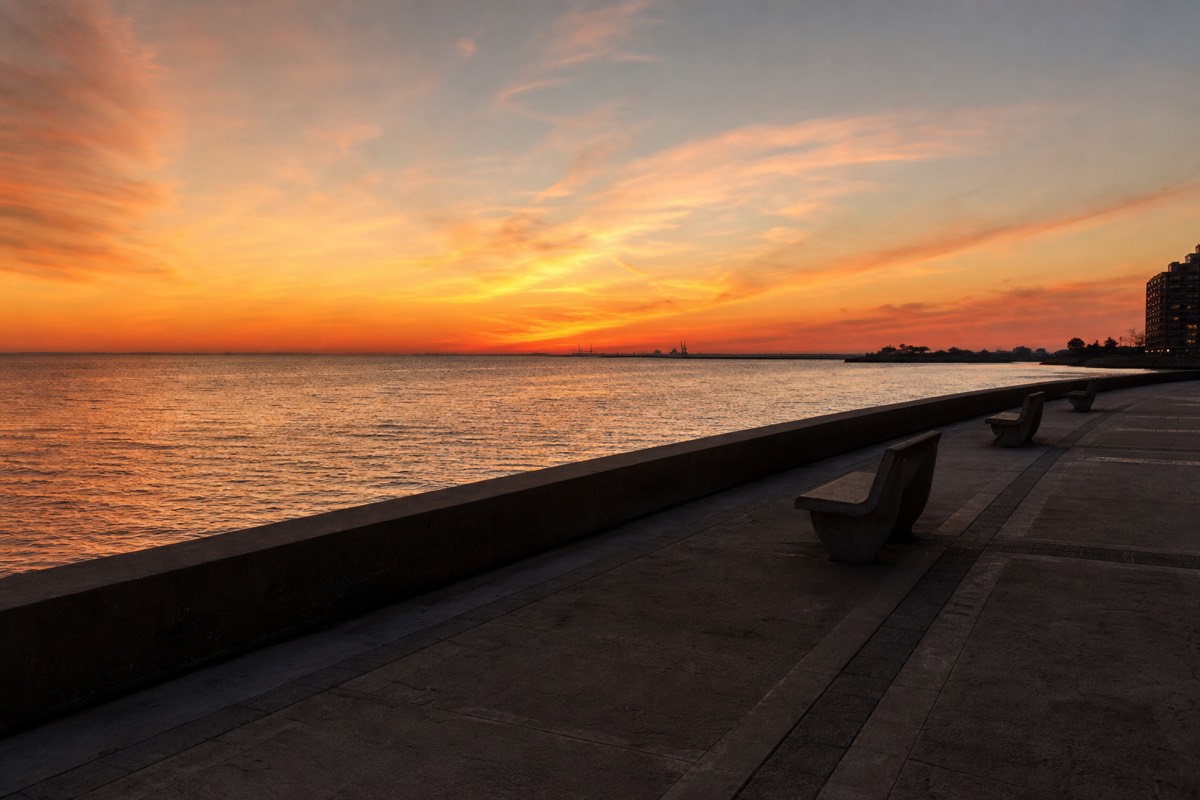
The zero-tolerance alcohol rule is the one that genuinely catches foreign drivers. Many countries allow a small limit; Uruguay allows none, and the law has been in place since January 2016, as summarized in Argentine press coverage of Uruguayan driving rules and signage. The local custom of wine at lunch matters here: if you are touring Canelones wineries, designate a driver who tastes sparingly, or book a tour that includes transport, which is exactly why guided wine excursions are popular.
Headlights around the clock are the other habit to build. Modern cars often run automatic daytime lights, but if your rental does not, turn them on the moment you leave the lot, day or night, city or route. It is mandatory on all routes and roads, and it is enforced.
How Electronic Tolls Actually Work
Uruguay removed cash payment at many toll booths, which unnerves visitors who expect to hand over pesos. Do not panic at the barrier: the system photographs your plate. Rental cars are typically billed through SUCIVE plate recognition, and you settle at the counter when you return the car or through payment networks afterward. A Telepeaje TAG transponder is not strictly required for rentals, though TAG users pay less per booth, UYU 167 versus UYU 214 via SUCIVE for a category 1 car at the June 2026 tariff, per the transport ministry's toll tariff page. Toll prices are updated roughly every six months, in June and December, so verify current figures near your travel date. Ask at the rental desk how their cars are billed before you drive off; it takes thirty seconds and prevents a confusing charge later.
| Rule Or Cost | What Applies | Practical Tip |
|---|---|---|
| Drive side | Right-hand side | Roundabouts flow counterclockwise |
| Headlights | On 24 hours/day, all roads | Check they are on when you pick up the car |
| Blood alcohol | 0.00% zero tolerance, since January 2016 | Not even one drink before driving |
| Urban speed | 45-60 km/h signposted | Cameras are common on main routes |
| Rural routes | 90 km/h | Drop for roadworks and weather |
| Dual carriageways | 90-110 km/h | Applies on sections of Ruta 1 and Interbalnearia |
| Toll per booth, car with TAG | UYU 167 | June 2026 tariff; TAG not required for rentals |
| Toll per booth, SUCIVE plate billing | UYU 214 | Common method for rental cars; pay at return |
Road quality splits into two categories. The main paved arteries, Ruta 1 toward Colonia and the Interbalnearia toward the coast, are generally good, well-signed and camera-monitored. Secondary roads are variable: markings and lighting can be poor, and night driving outside towns demands more caution than the distance suggests. If a route involves small roads to a rural bodega or beach, plan it for daylight.
Parking In Montevideo: The Tarifado System
Parking downtown is metered through the tarifado system in zones covering Ciudad Vieja, Centro and Cordón, weekdays from 10:00 to 18:00 at UYU 52 per hour, free on weekends, holidays and certain special days, per the municipality's tarifado parking page. You buy time in advance rather than at a meter: via WhatsApp to 099 019 500, by SMS, at cobranza networks like Abitab and Redpagos, or through apps. If none of those channels suits you, a parking garage is the simpler option. Our Montevideo practical guide to transport and payments covers how to set up the payment methods before you arrive.
Road Trips From Montevideo
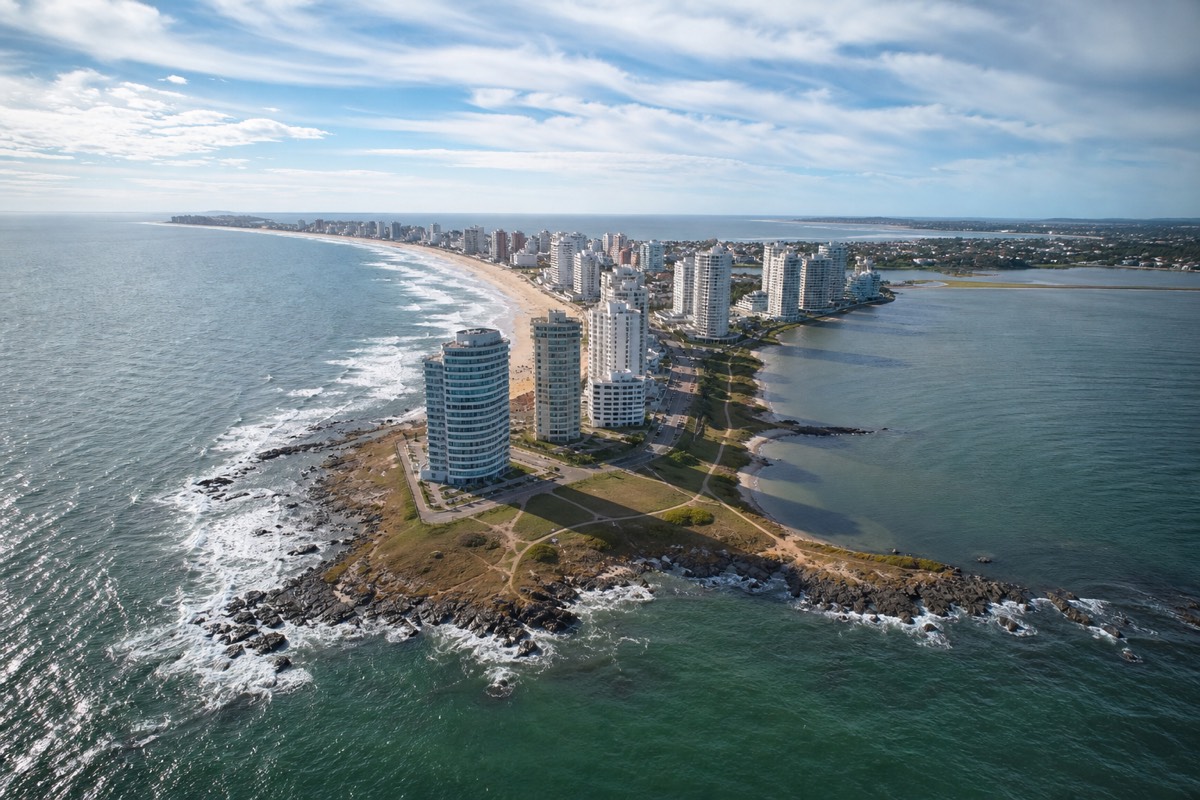
Four classic drives anchor any Uruguayan road trip: Ruta 1 west to Colonia del Sacramento at 177-180 km and about 2 to 2.5 hours; the Interbalnearia east to Punta del Este at roughly 130-140 km and about 2 hours; Piriápolis at around 100 km and 1.5 hours on the way; and the Canelones wine country at about 50 km and under an hour from the city. José Ignacio sits another 30 to 45 minutes east of Punta del Este.
Ruta 1 to Colonia is the most rewarding first drive. The road leaves Montevideo past neighborhoods like Capurro and La Teja, crosses the Santa Lucía River bridge and runs through San José Department, Uruguay's potato heartland, before reaching the UNESCO-listed historic quarter. The numbers: 178 km by road, roughly 2 hours 10 minutes to 2 and a half hours of driving. Once there, you want at least five hours for the historic quarter itself, the Portón de Campo gate, Calle de los Suspiros, the lighthouse and the Basílica del Santísimo Sacramento, which makes it a full but comfortable day. Our guide to the Colonia del Sacramento day trip from Montevideo compares driving against the bus and ferry alternatives in detail.
The Interbalnearia east is the beach corridor. Punta del Este at 130-140 km is about two hours, with Piriápolis at roughly 100 km as a natural halfway stop, both legs covered in our guide to Uruguay's Atlantic coast day trips. Traffic thickens dramatically in January and February, when the coastal population multiplies, and the return to Montevideo on a Sunday evening in high season can stretch well past the nominal two hours. If your dates are flexible, do the coast midweek.
The Canelones wine route is the shortest and, for many, the best value. Roughly 50 km and 50 minutes to an hour from the city, the region's family bodegas produce the Tannat red Uruguay is known for. The catch for drivers is the zero-tolerance alcohol law: a proper tasting itinerary without a sober driver is a legal problem. A guided option like the Wine Lovers Delight countryside lunch with premium tastings, from about USD 220 with a maximum of 14 travelers, includes a three-course lunch and transport, so everyone at the table can drink. Our comparison of Montevideo winery tours helps you pick between driving yourself and booking.
| Route | Distance From Montevideo | Driving Time | Best For |
|---|---|---|---|
| Colonia del Sacramento (Ruta 1) | 177-180 km | ~2-2.5 hours | History, UNESCO quarter, river sunsets |
| Punta del Este (Interbalnearia) | ~130-140 km | ~2 hours | Beaches, the Hand sculpture, resort towns |
| Piriápolis | ~100 km | ~1.5 hours | Quieter coast, hill views, en route stop |
| José Ignacio | ~30-45 min past Punta del Este | Add to the Punta drive | Fish village feel, lighthouse, long coastal loop |
| Canelones wineries | ~50 km | ~50 min-1 hour | Tannat tastings, rural lunch, half-day escape |
Distances and times are approximate and shift with traffic and conditions, particularly in summer. Build buffer into any day trip with a fixed return, and check the Ruta 1 and Interbalnearia corridors for holiday traffic reports before committing to a schedule.
When A Tour Beats Driving
Driving loses to a guided tour in three situations: when the destination is far and commentary is the point, when alcohol is part of the experience, and when time or budget is tight. A Colonia day tour from about USD 60 compares well against a rental day once you total fuel, tolls and city parking, and a wine tour from about USD 220 removes the zero-tolerance alcohol problem entirely.
Run the arithmetic honestly. A one-day economy rental might look cheap on the booking screen, but add the deposit hold, fuel for the full round trip to Colonia and back at ANCAP prices, tolls at each booth in each direction, and tarifado parking if you leave the car in the city, and the per-person cost for a couple can exceed two seats on a shared excursion, with none of the history explained. For a group of four with a loose agenda, the math flips back toward the car, which is why families often rent and solo travelers and couples often book tours.
Time is the other currency. A guided Colonia tour uses the drive for commentary through seat-integrated speakers, so the two hours each way are part of the experience rather than dead time. The same logic applies in the city: if you have one day and want context, a private Montevideo discovery tour with a local guide, from about USD 400 for your whole group, delivers the landmarks in five flexible hours without you touching a steering wheel or a parking app.
| Situation | Drive Yourself | Take A Tour |
|---|---|---|
| Group of 3-4, multi-day coastal loop | Usually cheaper and more flexible | Constrained by fixed schedules |
| Solo or couple, one day trip to Colonia | Rarely worth the full cost | Shared tour from ~USD 60 is hard to beat |
| Wine tasting day | Only with a fully sober driver | Transport included, everyone drinks |
| Short city stay, 1-3 nights | Car sits parked, tarifado fees | Walking or a private city tour |
| Punta del Este day trip, no driving urge | ~2 hours each way, summer traffic | The Punta Del Este Day Trip handles it, about 10 hours |
For Punta del Este specifically, the Punta Del Este Day Trip runs about 10 hours with hotel pickup in Montevideo, in English, Spanish or Portuguese, with lunch and Casapueblo admission extra. If you would rather not spend four hours of your day watching the Interbalnearia, that is the trade to make. Whatever you choose, spend your first day in the city on foot: our guide to the best things to do in Montevideo and our Rambla and beaches guide cover everything within walking or taxi distance of the center, no rental required.