Is Montevideo Nicer Than Buenos Aires?
The two capitals sit on opposite banks of the same river, roughly two and a half hours apart by fast ferry. People who have spent time in both rarely rank them. They describe them as doing different jobs.
Not nicer, different, and the honest split is this: Montevideo is calmer, smaller, more walkable and safer on the international rankings. Buenos Aires is bigger, louder, deeper in food, nightlife, theatre and architecture. If "nicer" means restful, Montevideo wins easily. If it means stimulating, Buenos Aires does.
Montevideo suits slower waterfront days; Buenos Aires offers more big-city variety. A short orientation helps you decide where to spend the rest of your stay.
Booking Shortlist: Half-Day Montevideo City Tour. Link the old town, Agricultural Market and Pocitos waterfront in one guided loop.
The comparison also has a size problem. Buenos Aires is a metropolis of many millions; Montevideo is a mid-sized capital. Judging Montevideo on breadth is like judging a good bistro for not being a food hall. It will lose a contest it was never entered in.
Where Does Montevideo Win?
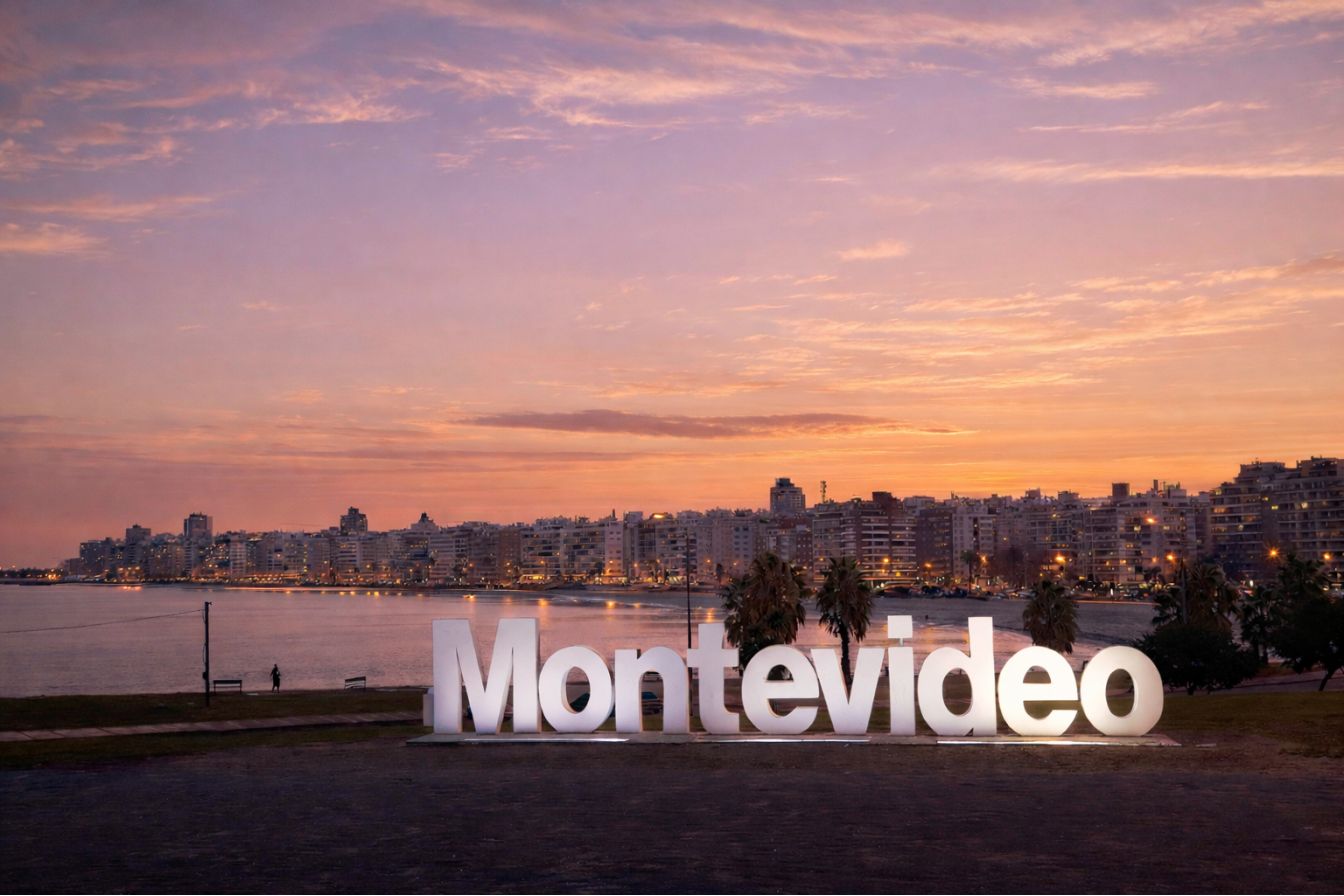
Calm, scale and the waterfront. Montevideo is low-rise, flat and fronted by more than 22 kilometres of uninterrupted Rambla, and you can cross the useful parts of the city in twenty minutes.
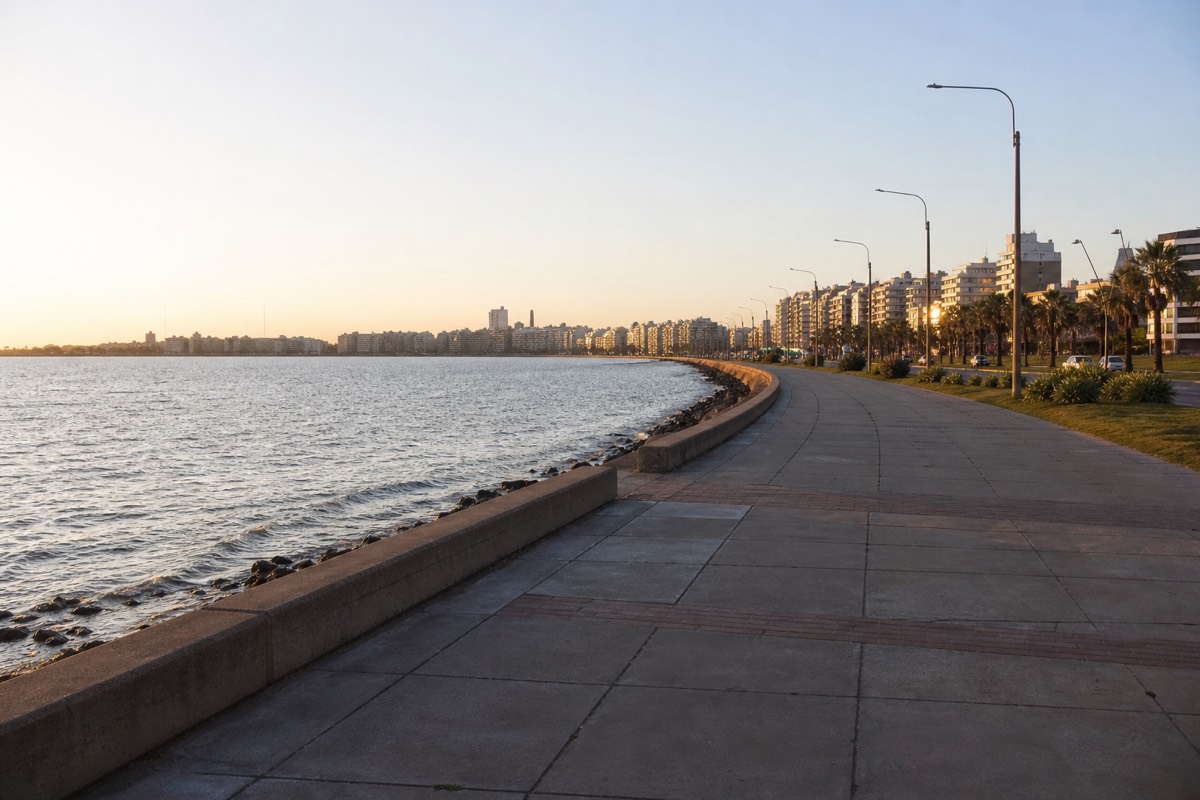
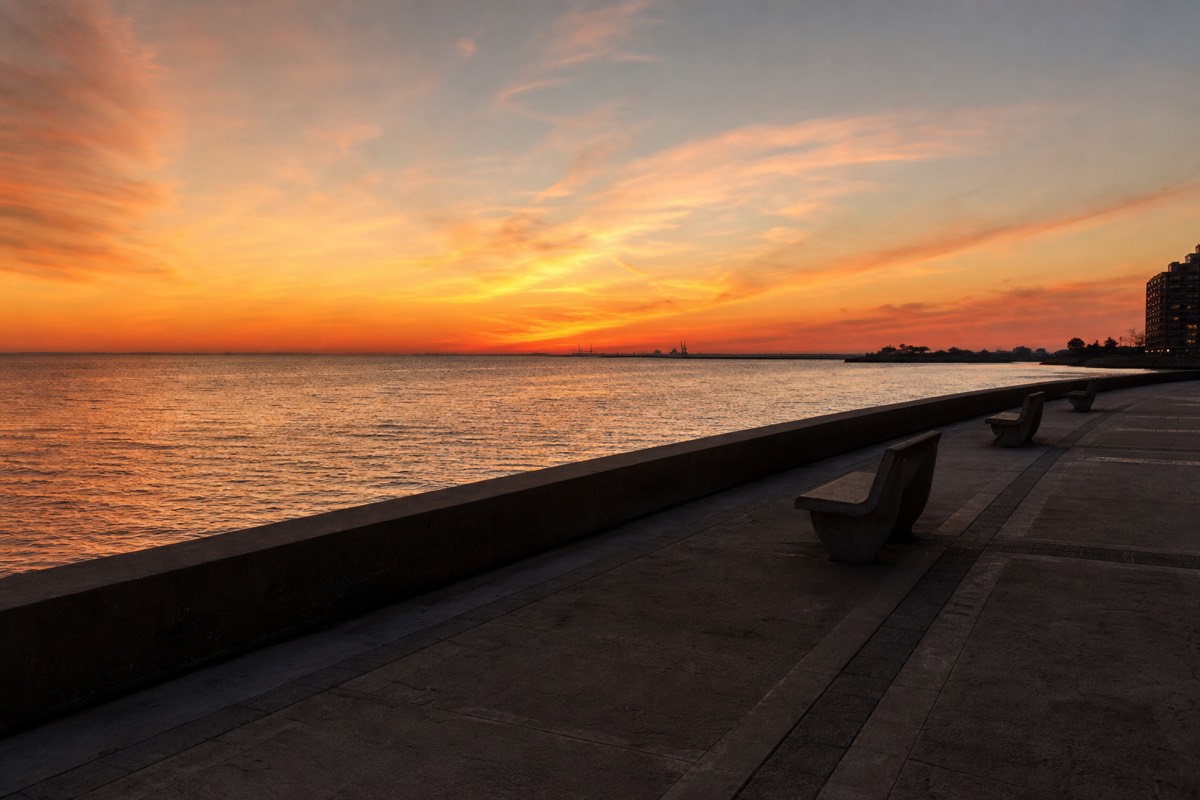
That changes how a day feels. There is no metro to work out, no two-hour crosstown journey, no sense that you are missing three neighbourhoods while you sit in one. The beaches are inside the city rather than an excursion from it, and by early evening the Rambla fills with people walking with a thermos and a mate gourd, which is about as clear a summary of Uruguayan pace as exists.
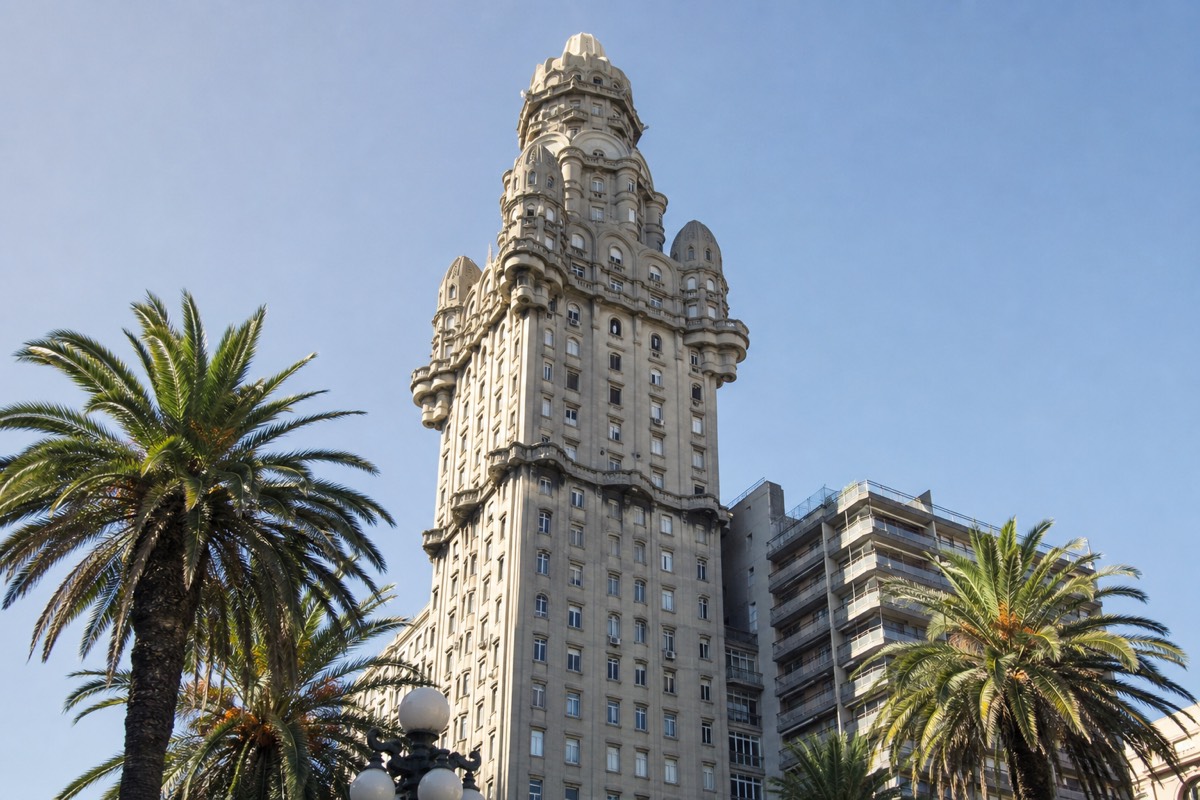
Ciudad Vieja delivers a compact colonial core, founded in the 1720s, with Teatro Solís from 1856, the 1868 Mercado del Puerto and Palacio Salvo on Plaza Independencia. Crowds are thin. Queues barely exist. A half-day city tour at around $35 covers the geography in one morning, and the guided e-bike tour is a genuinely pleasant way to link the old town, Parque Batlle and the beach neighbourhoods, which is not a sentence anyone would write about Buenos Aires traffic.
Where Does Buenos Aires Win?
Depth. Buenos Aires has more restaurants, more theatre, more live music, more bookshops, more nightlife and more grand architecture than Montevideo will ever have, because it is many times the size.
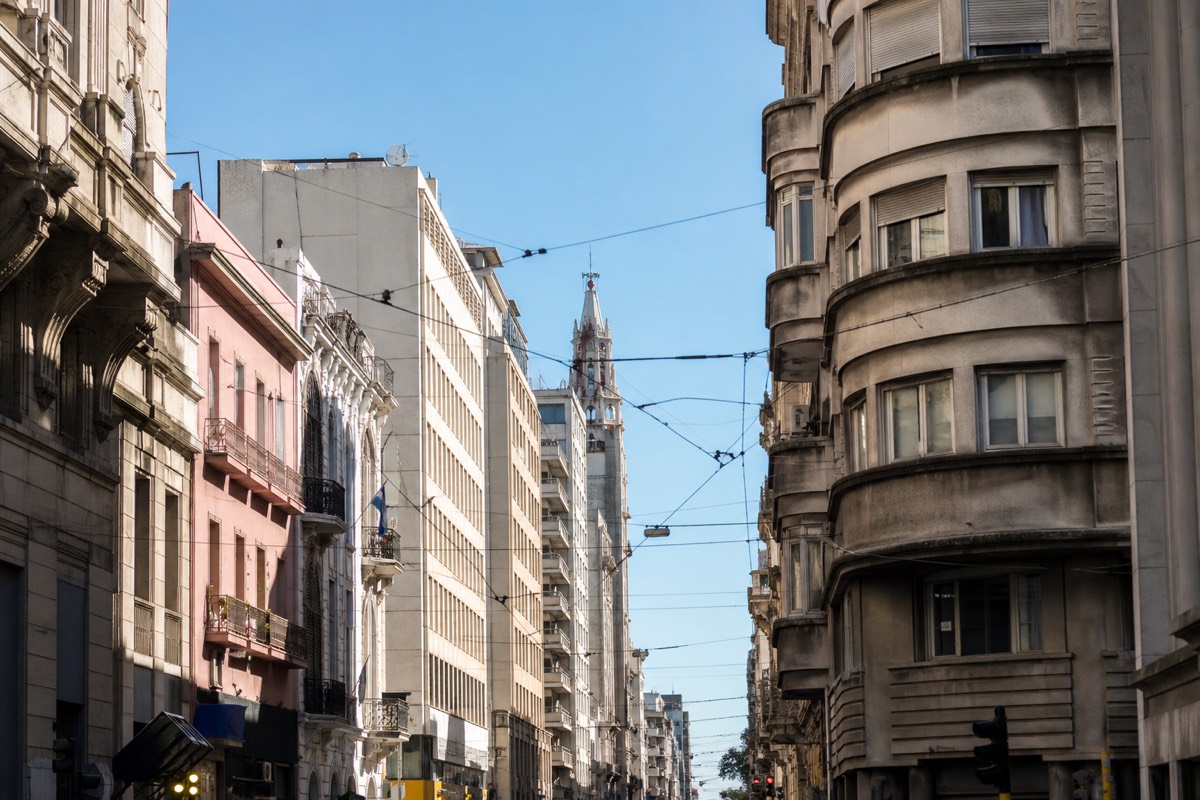
A first-time visitor to South America with one week and an appetite for cities should probably choose Buenos Aires. Recoleta, San Telmo, Palermo and La Boca each carry enough to fill a day. The tango scene is larger and more varied. Dinner at eleven at night is normal rather than exceptional. And the sheer density means you can change your mind about an evening three times and still land somewhere good.
Montevideo does not compete on any of that. What it offers instead is the ability to actually finish a city.
Which Is Safer?
Uruguay ranks as the most peaceful country in South America and 43rd globally on the 2026 Global Peace Index, which is the one difference here that can be pointed at rather than argued about.
That is a national ranking, not a city-by-city crime comparison, and it should not be read as Montevideo being risk-free. Foreign advisories flag street crime in the capital specifically: bag-snatching, pickpocketing and robbery, with advice against walking downtown or in the port area alone at night or at weekends. The US State Department asks for increased caution nationally, Canada for a higher degree of caution in Montevideo.
What visitors usually report is a difference in feel rather than in incident rate: fewer crowds, less street hustle, quieter blocks. That can cut both ways, since empty streets at night are exactly what the advisories warn about. Our Montevideo safety guide and where to avoid in Montevideo cover the specifics.
How Do The Two Compare On An Ordinary Day?
A day in Buenos Aires is planned around transport. A day in Montevideo is not, and that single difference shapes almost everything else about how the two cities feel.
In Buenos Aires you pick two neighbourhoods and accept that a third is out of reach. Getting between Palermo, San Telmo and the centre eats real time, and by evening you are choosing between dinner near where you are and a journey to where you would rather be. The compensation is that whichever neighbourhood you land in has more going on than you can use.
In Montevideo the whole visitor city is a short ride end to end. You can have breakfast in Pocitos, spend the morning in Ciudad Vieja, take a winery visit in Canelones half an hour out, and be back on the Rambla for sunset. Less happens, but you get to all of it. Which of those two days sounds better is genuinely a matter of temperament, and it is the honest core of the whole comparison.
Who Should Pick Which?
Choose Buenos Aires for a first big South American city, for food breadth, for nightlife, for a week of constant stimulation. Choose Montevideo for a slower trip, beaches inside the city, wine country half an hour away, and far fewer people between you and whatever you came to see.
Travellers who like Lisbon over Madrid, or Porto over Barcelona, tend to prefer Montevideo. Travellers who want the largest possible version of everything tend to prefer Buenos Aires. Neither preference is wrong, and neither city is trying to be the other.
We put the two side by side on food, cost, safety, transport and things to do in the Montevideo vs Buenos Aires guide, which is the structured version of this argument.
You Probably Do Not Have To Choose
Ferries cross the River Plate in roughly two and a half to four and a half hours depending on the service, with fares typically running around $70 to $170 USD one way. Doing both in one trip is normal.
The pattern that works is three or four days in Buenos Aires, two or three in Montevideo, and a day out to Colonia del Sacramento, the UNESCO-listed Portuguese town founded in 1680. The full-day Colonia trip from Montevideo runs around $60 and handles the two-hour drive each way.
Ferry fares and schedules change by season, so check current pricing. Our ferry guide compares the operators, and everything we run on the Uruguayan side is listed on the Montevideo tours page.