Do US Citizens Need A Visa For Uruguay?
US citizens do not need a visa to enter Uruguay. A valid passport is the only document required, and it allows stays of up to 90 days, whether you fly into Montevideo, take the ferry from Buenos Aires or step ashore from a cruise ship. Here is how the rules work in practice, and which details are worth settling before you leave home.

Uruguay is one of the easiest countries in South America for American travelers to enter, and the paperwork barely goes beyond a passport.
The Short Answer
No, US citizens do not need a visa for Uruguay. Travelers on a regular tourist passport enter visa-free for stays of up to 90 days. The exception is holders of diplomatic or official passports, who must apply for a visa before travel. Beyond a valid passport, no advance application, fee or authorization is required for a typical tourist visit, whether you arrive by plane, ferry or cruise ship.
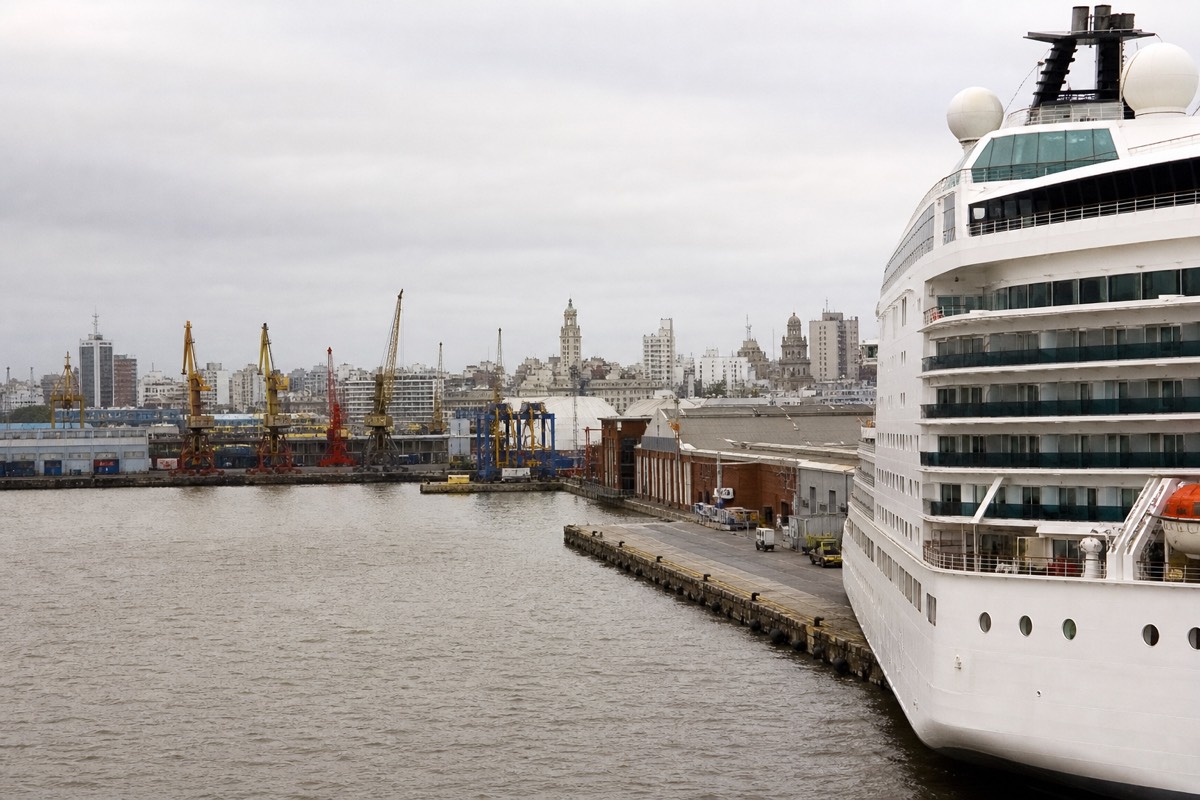
That is the official position of the US State Department, which states plainly that no visa is needed for tourist passport stays under 90 days, and that the visa requirement applies only to diplomatic and official passport holders. You can read the entry section yourself on the Uruguay country information page before you book anything.
Visa-free entry means exactly what it sounds like. You do not fill in an online authorization form, pay an entry fee or visit an embassy. At the border you present your passport, answer a few standard questions about the purpose of your trip, and you are stamped or logged in for up to 90 days. Uruguay applies this policy to a group of countries that includes the United States, and it has been stable for years. Our team has seen no indication of a 2026 change to it.
One point that surprises some American visitors: Uruguay also imposes no entry restrictions related to HIV or AIDS, which the State Department confirms on the same page. Some countries in the region have historically restricted entry on this basis. Uruguay does not.
What visa-free entry does not cover is work, study or residence. If your plans involve employment, enrollment or living in Uruguay long term, those are separate processes handled by Uruguayan migration authorities, and a 90-day tourist entry is not a shortcut around them. For a standard vacation built around Montevideo, Colonia del Sacramento and the coast, nothing extra applies.
If you are still deciding whether Uruguay deserves a slot on your South America itinerary, our Montevideo travel guide covers what the city actually offers, and our piece on whether Uruguay is friendly to Americans addresses the day-to-day experience beyond the border formalities.
| Entry requirement | What applies to US citizens | Notes |
|---|---|---|
| Visa | Not required for stays up to 90 days on a tourist passport | Diplomatic and official passport holders do need a visa |
| Passport | Must be valid | Primary sources do not state a minimum validity period beyond your trip, a blank-page count or a return-ticket rule |
| Maximum stay | 90 days | Extension possible through the Dirección Nacional de Migración |
| Health screening | None | No HIV or AIDS entry restrictions, per the State Department |
| Advance authorization | Not required | No online form or entry fee applies to tourists |
Passport Validity And Length Of Stay
Your passport simply needs to be valid when you enter. Official sources do not specify a minimum number of months of validity beyond your stay, a required number of blank pages, or a mandatory return ticket, so confirm those practical details with your airline or ferry operator before traveling. Tourist permission runs to 90 days, and stays beyond that are extended through the Dirección Nacional de Migración before your current permission expires.
The word to notice is "valid." Some countries demand six months of passport validity or two blank pages; Uruguay's primary sources just require a valid passport. That said, an airline can still refuse boarding under its own check-in rules, and those rules vary by carrier. If your passport expires shortly after your trip, renew it anyway. A buffer avoids a pointless argument at a check-in desk in Miami, Houston or New York.
The 90-day allowance is generous for a country of Uruguay's size. Most American visitors spend three to ten days, using Montevideo as a base with side trips to Colonia del Sacramento, Punta del Este or wine country. Ninety days is more than enough. If you do fall for the place and want to stay longer, the extension process is real and documented: contact the Dirección Nacional de Migración by email at dnm-secretaria@minterior.gub.uy or migracion@minterior.gub.uy to renew before your permission expires. The Uruguayan Embassy in the United States lists these addresses on its visas and migration page.
Do not let the 90-day clock run out quietly. Overstay consequences are not spelled out in the primary sources we rely on, and that alone is a reason to avoid testing them. An extension request sent before expiration is a routine administrative matter. An overstay is not, and it can complicate future entries.
Traveling With Minors
Families should know one specific rule. Children under 18 who remain in Uruguay for more than 365 days need a Permiso de Menor from the Dirección Nacional de Migración if they are traveling with one parent, alone, or with adults who are not their parents. For a two-week vacation this never comes into play. It matters for relocations, extended sabbaticals or a parent settling in Uruguay with children. The State Department's Uruguay information page covers the rule.
What You Can Bring Through Customs
Tourists may import personal effects duty free: jewelry, cameras, computers, sporting goods and similar items for your own use during the trip. Souvenir shopping in Montevideo, whether wool and leather at the Mercado Agrícola or dulce de leche from a market stall, sits comfortably within normal tourist allowances. Declare anything unusual or valuable if in doubt, and check current duty rules for alcohol and tobacco at the border, since those limits are not specified in the sources we verified.
| Your situation | What to do | Who to contact |
|---|---|---|
| Staying up to 90 days | Nothing beyond a valid passport | No contact needed |
| Want to stay past 90 days | Request a renewal before your permission expires | Dirección Nacional de Migración, dnm-secretaria@minterior.gub.uy or migracion@minterior.gub.uy |
| Child under 18 staying over 365 days with one parent, alone, or with non-parents | Obtain a Permiso de Menor | Dirección Nacional de Migración |
| Planning to work, study or reside | Apply for the appropriate permit, not a tourist entry | Uruguayan migration authorities |
Arriving By Air, Ferry Or Cruise
The visa rules do not change with your mode of arrival: no visa, valid passport, up to 90 days. What changes is the logistics. Montevideo's international airport processes arrivals with a standard immigration desk, ferry terminals run passport checks alongside boarding and disembarkation, and cruise passengers usually clear formalities through their ship's manifest procedures. Confirm the timing details with your carrier on the day, since schedules and terminal procedures vary.
By air, you land, queue at immigration, present your passport and collect your bags. Nothing about the process is unusual for Americans. The questions are standard: purpose of visit, length of stay, where you are staying. Have your first night's address handy, written down or in your phone, since that is the one detail travelers routinely fumble.
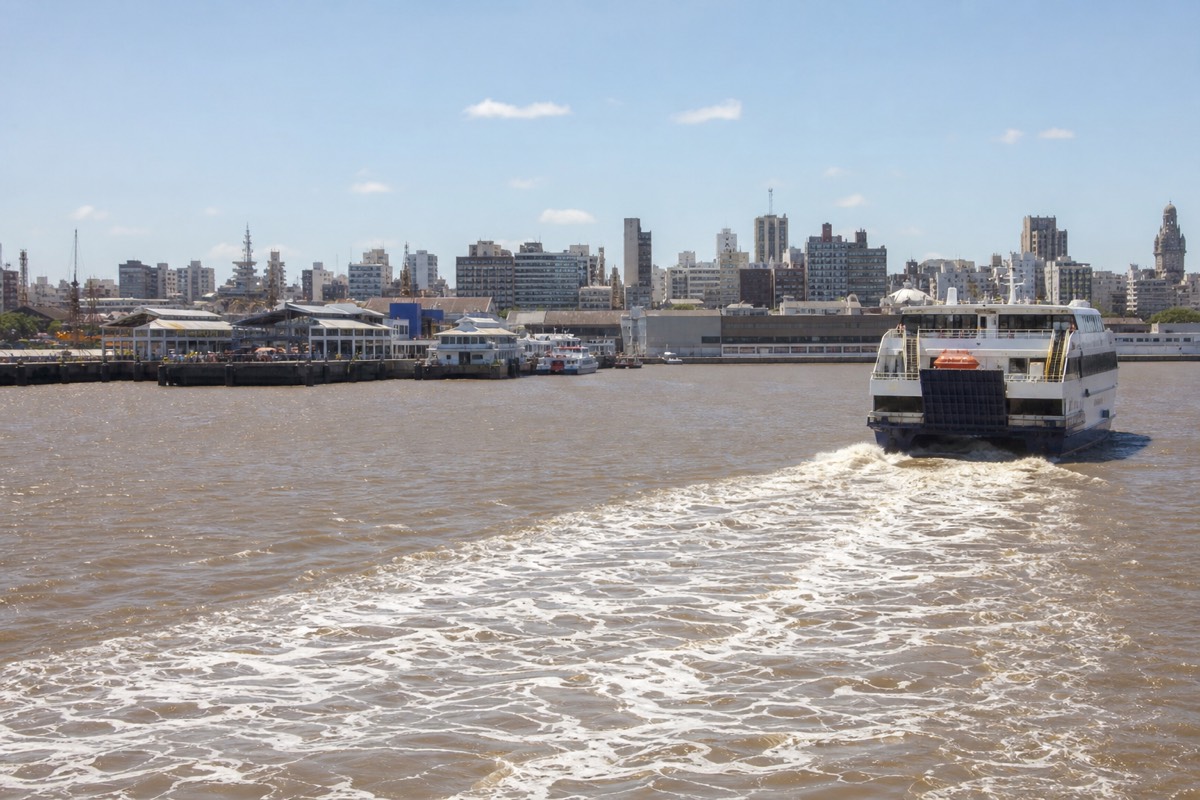
By ferry, the passport check happens at the terminal. You clear departure formalities on the Argentine side and entry formalities on the Uruguayan side, so the border is effectively processed twice. Operators ask passengers to arrive well before sailing; the combined ferry and bus product we track asks travelers to arrive 90 minutes before the ferry with travel documentation in hand. Build that buffer into your plans, especially for morning departures.
By cruise, the ship handles most of the paperwork. Passengers are typically pre-cleared through manifest procedures, so going ashore in Montevideo is usually as simple as swiping your ship card at the gangway. Your passport stays relevant for identification, so carry it or a copy, but you should not expect a full immigration queue at the pier. Procedures vary by cruise line and by port call, so listen to the ship's announcements for your specific arrival. Our Montevideo cruise port guide covers what waits for you once you are off the ship, including how the terminal connects to the old city.
| Arrival mode | Where the passport check happens | What to have ready | Watch out for |
|---|---|---|---|
| By air | Immigration desk at Montevideo's international airport | Valid passport, address of first night's stay | Airline check-in rules on passport validity can be stricter than the border's |
| By ferry from Buenos Aires | At the terminal before departure and again on arrival in Uruguay | Passport, ticket, 90-minute pre-departure buffer | Terminal procedures and lead times vary by operator, confirm on the day |
| By cruise ship | Usually handled via the ship's manifest procedures | Ship card, passport or copy for identification | Disembarkation times and meeting points vary by sailing, follow ship announcements |
Cruise guests with limited hours ashore often book a guided excursion to make the most of the port call. The Montevideo shared city tour with port pickup is built exactly for that scenario: the guide meets you at the Ministry of Tourism at the port exit, past the Graf Spee anchor along the green-painted path, and the tour launches at 09:30, so being at the meeting point 15 minutes early is the practical rule. Travelers with more time in the city often prefer the small-group half-day city sightseeing tour, capped at 16 people with multilingual guides.
Crossing From Buenos Aires
US citizens cross from Buenos Aires to Uruguay with a passport only: no visa, no advance paperwork, no fee. The two standard routes are the direct ferry to Montevideo and the ferry to Colonia del Sacramento with a connecting bus, with the combined ferry-and-bus journey taking about five hours. Both routes involve exit checks in Argentina and entry checks in Uruguay, so keep your passport accessible rather than buried in a checked bag.

The river crossing between the two capitals is one of the great short journeys in South America, and for Americans it is administratively trivial. You buy a ticket, show a passport, sail. The choice that actually matters is which route fits your plans.
The direct ferry takes you straight into Montevideo's port, minutes from Ciudad Vieja. Sailing times vary by operator and schedule, so check the current timetables when you book rather than relying on secondhand numbers. The alternative lands you in Colonia del Sacramento, the UNESCO-listed colonial town an hour or so up the road from the capital by bus. A combined ferry and bus product books the Colonia ferry and the connecting bus as a single one-way journey between the two capitals; it is one ticket, but note that it changes to a bus in Colonia and includes no guided visit or return journey. Full route details, terminals and planning advice are in our Buenos Aires to Montevideo ferry guide.
Many travelers treat the crossing as a day trip, sailing in the morning and back at night. That works, and it is a genuinely pleasant way to add a second country to an Argentina trip, but the hours are tight and the sailing schedule dictates everything. Weigh the trade-offs in our piece on whether a day trip to Uruguay is worth it before committing.
If Colonia is your entry point and you have the time, consider spending those hours well. The full-day Colonia del Sacramento tour with a local guide covers the Portón de Campo gate, the 1783 walls, Los Suspiros Street, the lighthouse, Plaza Mayor and the Basilica del Santísimo Sacramento, with pickup from a list of 28 Montevideo hotels. For choosing between a quick independent wander and a guided visit, our Colonia day trip comparison guide breaks down the options.
| Crossing option | Approximate time | What it involves | Best for |
|---|---|---|---|
| Direct ferry to Montevideo | Varies by operator and sailing, check the timetable | One river crossing, arrival minutes from Ciudad Vieja | Travelers heading straight to the capital |
| Ferry to Colonia plus connecting bus | About 5 hours, option dependent | Bookable as a single one-way ticket, bus change in Colonia, no guide or return included | Budget-conscious travelers comfortable with a bus leg |
| Day trip with a return sailing | Depends entirely on sailing times | Ferry plus a few hours ashore in Colonia or Montevideo | Visitors sampling Uruguay without changing hotels |
What To Carry On A Tour Day
Carry your passport, or a clear copy if your operator accepts one, plus a card and some Uruguayan pesos for market stops, snacks and tips. Sunscreen and water matter more than paperwork on most Montevideo tours. Cruise guests joining a port pickup should keep their ship card and disembarkation details handy, since guides use them to time the return to the pier. Everything else can stay in the hotel safe.

The visa-free entry means your tour-day documentation is light. A passport is the one document that resolves any unexpected identity question, whether from a site attendant or a border officer on an excursion near a boundary. A legible photo of the photo page, stored offline on your phone, is a reasonable backup, though the physical document is stronger. Ask your operator's policy on copies when you book; requirements vary and are worth confirming rather than assuming.
Money is the practical consideration. Market stalls, small cafés and some artisan vendors prefer cash, and Uruguayan pesos in small notes go further than a card at the Mercado Agrícola or the Mercado del Puerto. Cards are widely accepted in the city, but a tour day that ends at a market stall selling dulce de leche or wool is a day you will want some cash. Our practical guide to transport, currency and SIM cards covers the rest of the daily logistics.
The rest of the kit is ordinary: comfortable walking shoes, sun protection, a refillable bottle, and a camera for the Montevideo sign on the Pocitos waterfront. Weather in the city changes fast, and a light layer earns its place in your bag most of the year. None of this is border paperwork. It is just what makes a long walking day pleasant rather than a chore.
What Each Tour Actually Asks Of You
Operators differ in their logistics, and knowing the specifics before the morning of your tour prevents the small errors that eat into your day. The table below pulls together the verified details from the three listings our team tracks, including each operator's current rating on its listing.
| Tour | From price | Rating | Logistics to remember |
|---|---|---|---|
| Montevideo Shared City Tour for Cruise Guests | From $59, live price on the operator's listing | 4.5 | Meet at the Ministry of Tourism past the Graf Spee anchor, 15 minutes before the 09:30 launch; wheelchairs and scooters welcome with 48 hours' notice |
| Best Half-Day Montevideo City Sightseeing Tour | From $35, live price on the operator's listing | 4.8 | Small group of up to 16, confirm your pickup time via WhatsApp, be ready 10 minutes early |
| Colonia del Sacramento Full-Day Tour with Local Guide | From $60, live price on the operator's listing | 4.4 | Pickup from a 28-hotel list, be in the lobby 10 minutes early, bring pesos for the jam stop at Granja Arenas |
Prices are listed as from-price points on the operator's listings and can change with season and availability, so treat them as approximate and check the live figure when you book. The pattern across all three is the same: the paperwork is minimal, the punctuality is not. Meeting points and pickup windows are precise, and the most common complaint our team sees in feedback traces back to travelers arriving at the wrong landmark or five minutes late.
For planning what to do with your days once the entry question is settled, our roundup of the best things to do in Montevideo is the natural next stop. The border, in the end, is the easy part of an Uruguay trip. A valid passport, a 90-day allowance and a booked tour are all the structure most American visitors ever need.