Montevideo E-Bike Tour: What To Expect
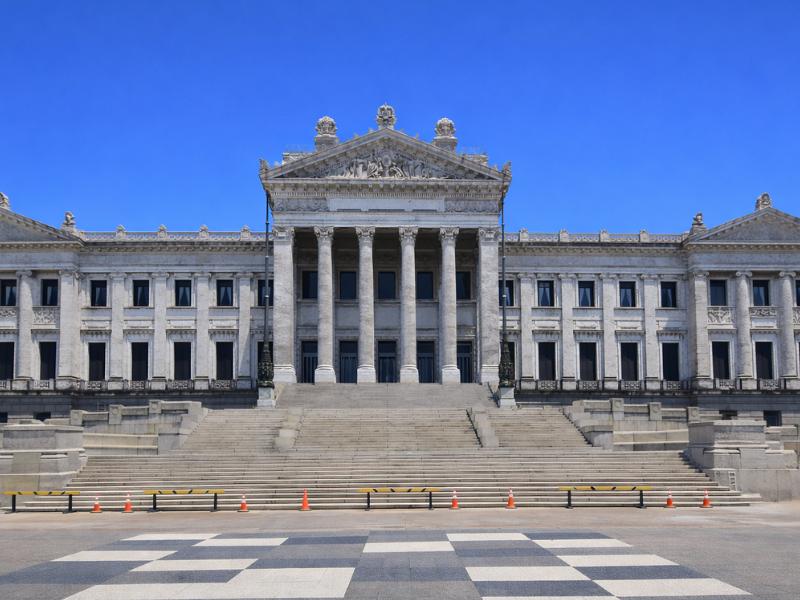
The guided electric bike tour of Montevideo covers roughly 22 kilometers in about three hours, starting in Pocitos and looping past the Centenario Stadium, Plaza Independencia, the Solís Theater and the Montevideo sign on the Rambla. Riders must be at least 140 cm tall and comfortable on a regular bicycle, and helmets are provided. Here is what our team tells travelers to expect before they book.
The Route Along The Rambla
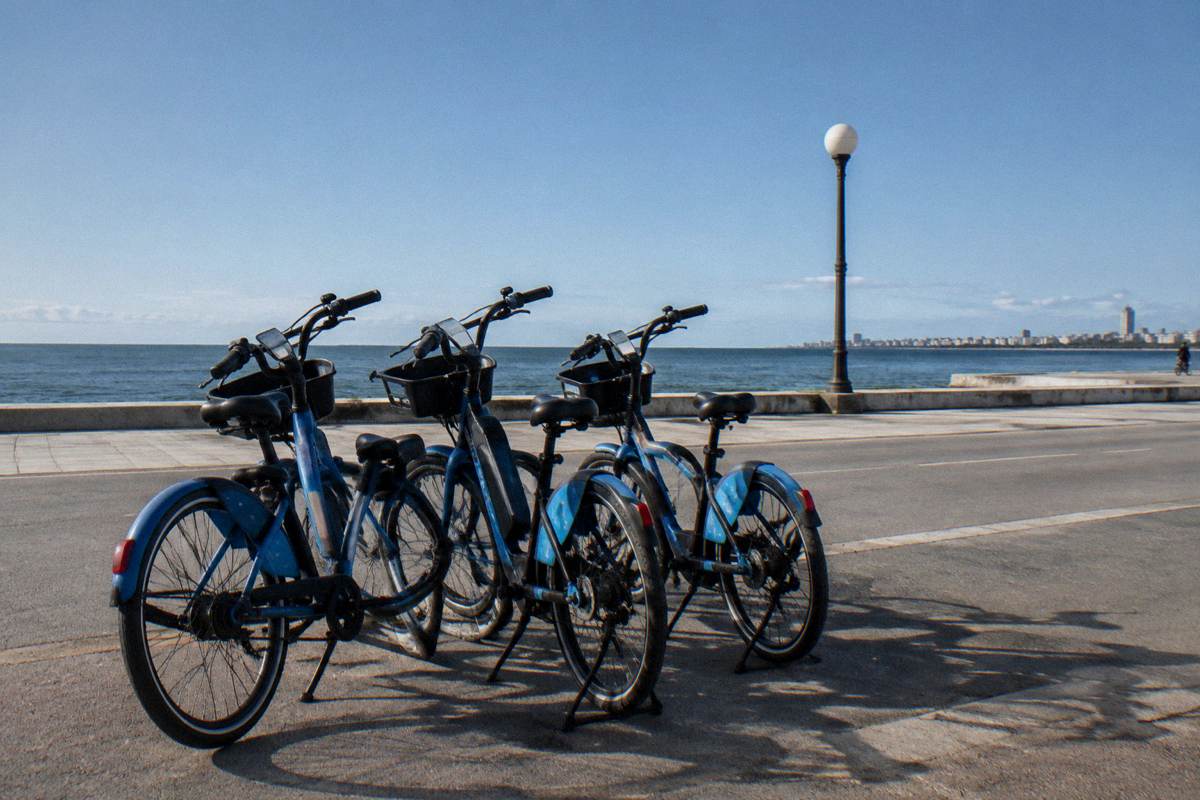
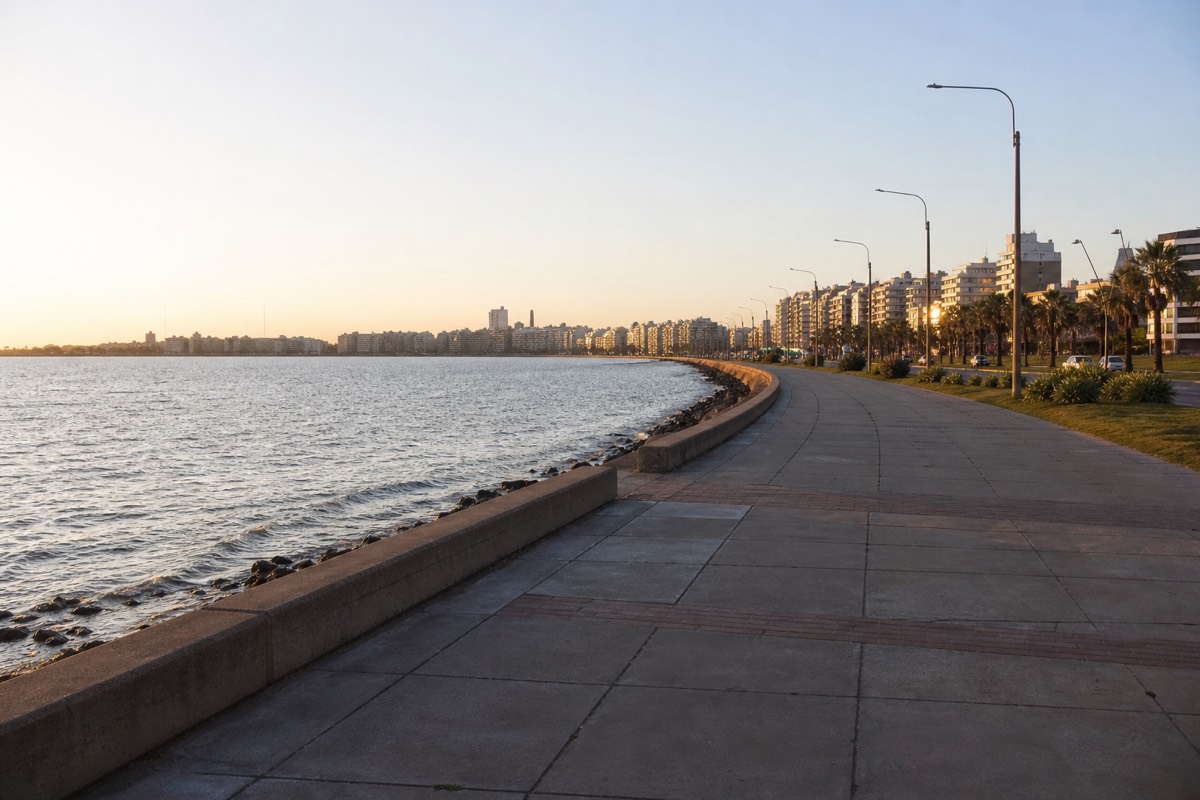
The tour starts in Pocitos at La Gaceta 1282 and follows the Luis Alberto de Herrera bike path toward Avenida Italia, passing the Hospital de Clínicas, the Monumento a la Carreta and the Centenario Stadium, then loops Parque Batlle, rides 18 de Julio to Plaza Independencia, walks the Sarandí pedestrian street past Plaza Matriz and the Solís Theater, and finishes along the Rambla at the Montevideo sign before returning to the meeting point. The full loop covers approximately 22 kilometers and takes about three hours, sometimes three and a half depending on the group's pace and traffic. It is one of the few tours in the city that stitches together the park district, the downtown avenue and the riverfront in a single outing, which is exactly why it works so well for travelers with limited time. You get a genuine cross-section of Montevideo, from the residential calm of Pocitos to the monumental core around Plaza Independencia, without spending half your day in a vehicle.
The route is deliberately built around protected infrastructure. The first stretch uses the Luis Alberto de Herrera bike path, and the section around Parque Batlle uses the Avenida Ricaldoni bike path, so you spend most of the ride on separated lanes or low-traffic side streets rather than mixing with buses on 18 de Julio. Our team consistently hears from wary cyclists that this design is what convinced them to book. The only stretch where you ride a busy avenue is the approach to Plaza Independencia itself, and the guide manages that transition with the group, positioning riders and calling out turns through the headset system. Reviewers describe the shift from busy avenues to quiet bicycle lanes as one of the tour's defining features, and the guides are repeatedly praised as responsible, funny and exceptionally communicative, which matters when you are moving through live traffic.
Do not expect a constant pedal. There are two planned stops where you get off the bike entirely: the walk down Peatonal Sarandí to Plaza Matriz, and the photo stop at the Montevideo sign on the Rambla. That means you see the Ciudad Vieja on foot, not through handlebars, which is a genuine advantage over a bus tour that can only drop you at the edge of the old city. During the Sarandí walk the guide leads you past the Solís Theater and into Plaza Matriz, the colonial heart of the city, and this is where most of the history commentary happens. If you want more depth on the old city afterward, pair the ride with our Ciudad Vieja historic center guide and return on your own for a slower look at the cathedral, the cabildo and the side streets the tour passes quickly.
| Route Segment | How You Travel | What You See |
|---|---|---|
| Pocitos to Avenida Italia | E-bike on the Luis Alberto de Herrera bike path | Hospital de Clínicas, Monumento a la Carreta |
| Parque Batlle loop | E-bike on the Avenida Ricaldoni bike path | Centenario Stadium, illuminated fountain |
| 18 de Julio to Plaza Independencia | E-bike on the avenue, guided | Downtown architecture, Independence Square |
| Sarandí pedestrian street | On foot | Plaza Matriz, Solís Theater |
| Rambla de Montevideo | E-bike on the waterfront | Montevideo sign, Río de la Plata views |
A few landmarks deserve a return visit, and the tour doubles as a scouting trip. The Solís Theater and the Estadio Centenario are both covered in depth on our site, in the Teatro Solís tours and tickets guide and our piece on whether the Estadio Centenario is worth visiting, and the e-bike ride past both gives you a feel for whether they merit a dedicated stop later in your trip. The Monumento a la Carreta, the iconic covered wagon sculpture on Avenida Italia, is another one travelers often circle back to, since the ride gives you a view from the bike path but not a lingering one. For the full waterfront picture, our Rambla and beaches guide covers the sections east of Pocitos, toward Malvín and Carrasco, that the tour only skims.
The route, duration and minimum requirements are all listed on the operator's page for the guided electric bike tour of Montevideo, and the live price is shown on the operator's listing, from around $69 per person. The listing currently holds a 5-star rating across 715 reviews, a strong signal for a city activity of this kind. Check the meeting instructions there before departure, since the meeting point is a specific address in Pocitos rather than a hotel pickup.
Do You Need To Be Fit?
No, you do not need to be fit, but you do need to be able to ride a regular bicycle and measure at least 140 cm (4 ft 6 in), and children under 12 are not suitable for this tour. The electric motor does most of the work on the climbs and the long avenue stretches, and the 2026 fleet is a set of new electric bikes that reviewers consistently rate for battery life and reliability across the full 22 km loop. What the operator cannot accommodate is a rider who has never pedaled before, because balance, hand signals and quick stops are still required even when the motor is assisting. That is the honest line: the motor removes the effort, not the skill.
In practice, the tour suits a wide range of ages and body types. The ride is described as relaxed by most participants, and the guide sets the pace to the slowest rider rather than the fastest. The two walking segments break up the saddle time, and there is a hydration stop in the Old City, although the tour does not include water, so bring your own bottle and ask the guide to point out where to buy more. If you can comfortably ride a bike for an hour at home, you can finish this tour without difficulty. Riders who cycle only occasionally report that the assist makes the Parque Batlle hills and the long Avenida Italia stretch feel nearly flat, and the breaks every few kilometers keep legs from stiffening up.
Who should think twice? Travelers with knee or hip problems that make mounting and dismounting painful, anyone under the height minimum, and families with children under 12. For those groups, a small-group van tour is the better fit. The half-day city sightseeing tour runs about four hours with a maximum of 16 people and is suitable for most fitness levels, with a 40-minute break at the Agricultural Market built in for shopping and snacks. It covers many of the same landmarks, including the Centenario Stadium, Pocitos and the Montevideo sign, without any pedaling, and multilingual guides make it easy to follow for non-English speakers who might struggle with fast commentary on a bike.
| Option | Physical Demand | Best For | From Price |
|---|---|---|---|
| Guided e-bike tour | Low, but must ride a bike; 140 cm minimum | Active travelers who want fresh air and bike paths | From $69 |
| Half-day sightseeing tour | Minimal, van-based | Families, cruise passengers, limited mobility | From $35 |
| Hop-on hop-off bus | Minimal, your own pace | Independent travelers wanting flexibility | About $25 in 2026 |
If your concern is safety rather than fitness, the route's reliance on separated lanes matters more than the motor. Our practical safety guide to Montevideo covers street-level precautions, and the short version is that daytime riding on the Rambla and in Parque Batlle is among the most relaxed urban cycling you will find in South America. The tour also supplies helmets, which are required, so you are not improvising with rental gear of unknown history. Still, ride defensively at the two or three avenue crossings, keep your headset volume low enough to hear traffic, and stay behind the guide at all times, since the guide knows which intersections have awkward sightlines.
What Is Included
The tour includes a new electric bike from the 2026 fleet, a provided helmet, live commentary through an intercom headset system, and a licensed guide who leads the full 22 km loop from the meeting point in Pocitos and back to the same spot. It does not include water or food, and there is no hotel pickup, so you need to make your own way to the meeting point at La Gaceta 1282 in Pocitos. Gratuities for the guide are not required and not mentioned as included. The walking segments through the Sarandí pedestrian street and the Montevideo sign stop are part of the guided itinerary, not optional extras, so everything on the route description is covered by the single price.
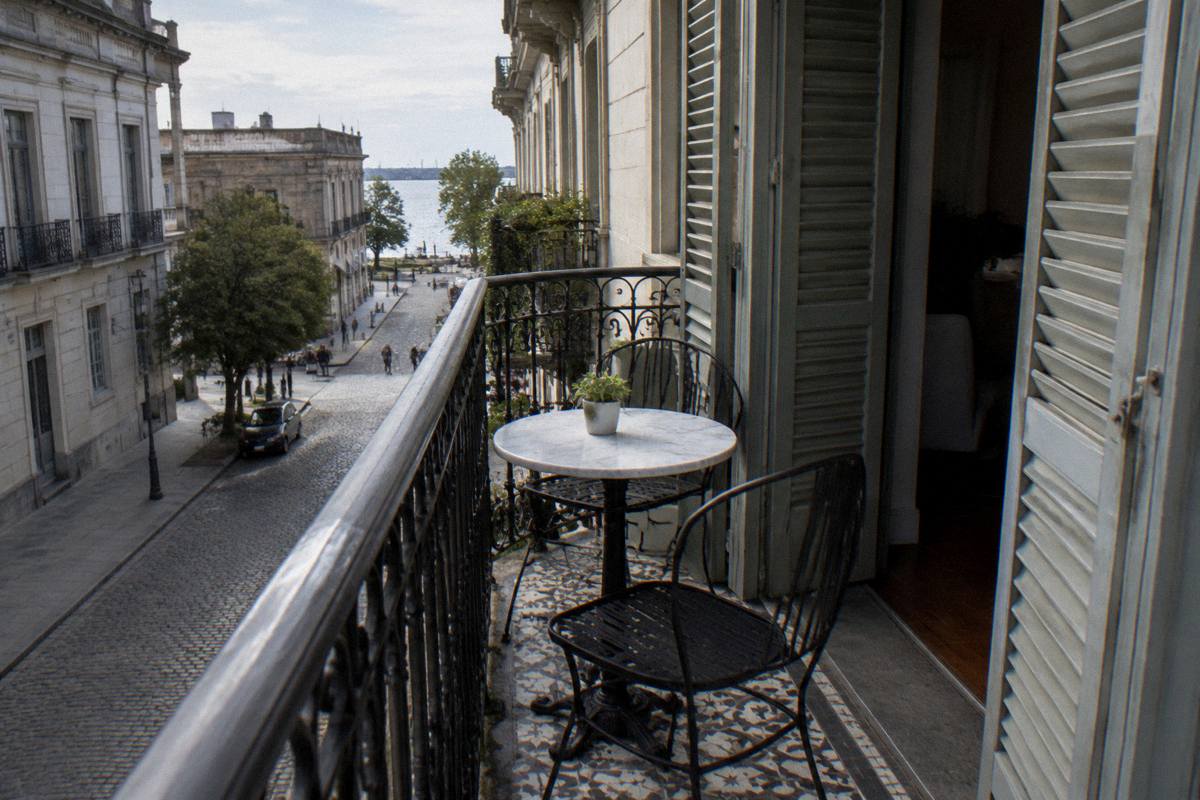
The headset system deserves a word because it changes the experience more than most travelers expect. Because you hear the guide through an intercom while riding, you get the stories on the move instead of only at stops, and you do not need to stay within earshot of the guide's voice. Reviewers repeatedly single this out as the reason the tour feels packed with content despite the short duration. Use the headsets; they are provided, and they are the difference between a ride and a tour. If you have never used a riding intercom before, the guide will fit it and do a quick sound check before the group rolls out.
- Electric bike: new 2026 fleet, motor-assisted across the full loop
- Helmet: provided and required
- Headset intercom: live guide commentary while in motion
- Guide: leads the route, manages traffic transitions and sets the pace
- Walking segments: Sarandí pedestrian street and the Montevideo sign stop
- Not included: water, food, hotel pickup, gratuities
Practical logistics matter more here than on a bus tour, because the departure is a fixed group event. Arrive about five minutes early, since morning departures run on a tight schedule and the group leaves from the meeting point at the stated time; latecomers cannot be chased, because the bikes move faster than a walking straggler. Wear closed shoes rather than sandals, since the walking segments and the pedals both punish open toes. Bring sunscreen for the Rambla stretch, which has little shade, and a light layer for the waterfront wind. The minimum height and age requirements are enforced for safety, and the operator states plainly that participants must be able to ride a traditional bicycle, per the listing details on the operator's page.
Compared with the alternatives, the inclusions are competitive. The hop-on hop-off bus run by CUTCSA includes a 24-hour ticket with audio commentary in six languages (Spanish, English, Portuguese, Italian, French and German) at around $25 in 2026, but no live guide and no bike; the hop-on hop-off bus tour page breaks down its two circuits, Central and Rambla, and its stops, which range from the Port Market and Independence Square to the Legislative Palace, the Botanical Garden and Malvín Beach. The e-bike tour costs more but adds a human guide, live two-way commentary and the flexibility to stop anywhere the group wants, and it reaches the pedestrian-only Sarandí street that no bus can enter.
Weather And The Best Season To Ride
The best months to ride are October through April, when Montevideo is warm and the Rambla is at its best, with January and February offering the highest probability of sunny skies and coastal breezes, while the southern winter from June to August brings cooler temperatures and a higher chance of gray, windy days along the waterfront. Because roughly a third of the tour is exposed to the river, wind matters more than temperature. A fresh southeasterly can make the eastbound Rambla stretch feel brisk even in summer, and in winter the same stretch can be genuinely cold, so layers are the single most useful thing you can pack. The Rambla has almost no shelter, and the Parque Batlle section, while greener, is still open to the sky.
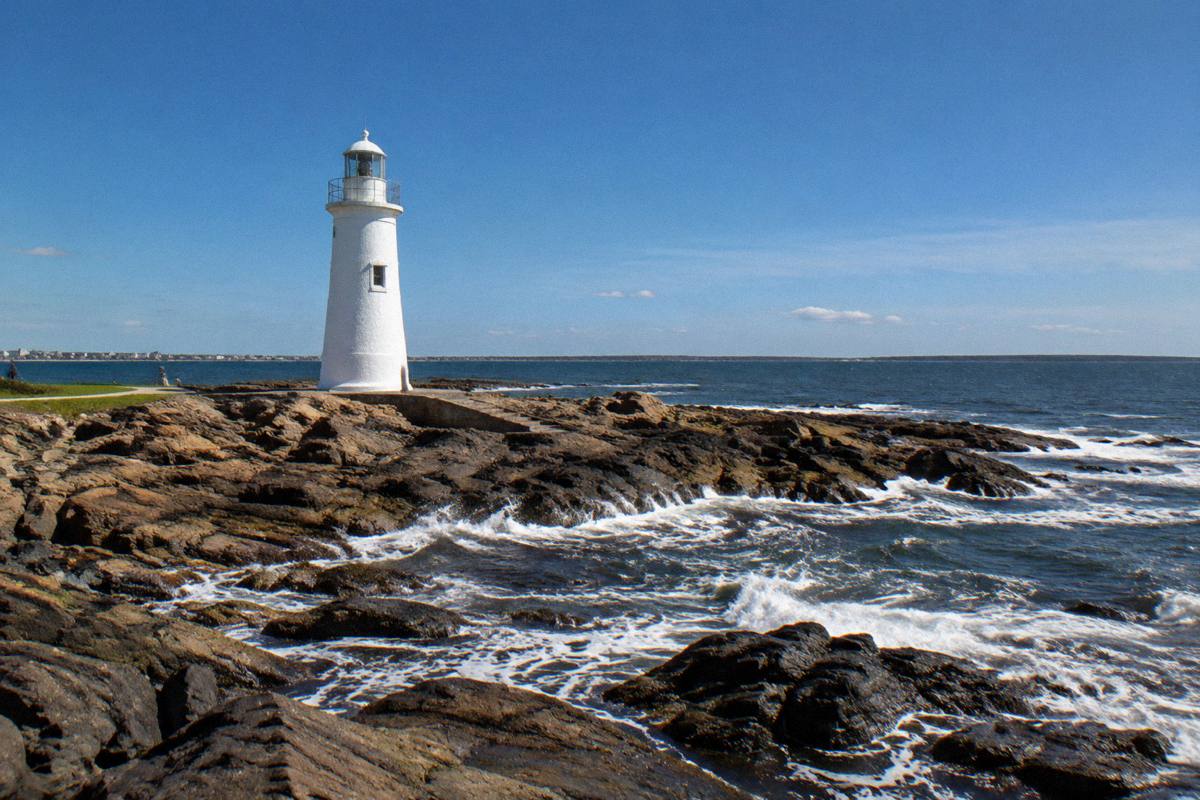
Summer has a trade-off. January and February give you the best odds of sunshine, but they are also when Montevideo is at its most social, with locals filling the Pocitos beaches and the Rambla paths, so the ride is livelier and slightly slower, and you share the waterfront with joggers, skaters and families. Some travelers love exactly that atmosphere, and the guide's anecdotes about local life land better when the life is visibly all around you. Shoulder months like October, November, March and April tend to deliver mild temperatures, thinner crowds and good light for photos at the Montevideo sign, and hotel prices are often softer too. Our guide to the best time to visit Montevideo goes deeper on the trade-offs month by month.
| Season | Months | Riding Conditions | Trade-Off |
|---|---|---|---|
| Summer peak | Jan to Feb | Best odds of sun, warm breezes | Busiest paths and beaches |
| Shoulder | Mar to Apr, Oct to Dec | Mild temperatures, good light | Changeable days, check the forecast |
| Winter | Jun to Aug | Cool, quieter streets | Cold wind on the Rambla, some rain |
Rain is the main cancellation risk. The tour runs on a fixed schedule, and heavy rain makes the bike paths slippery and the walking segment unpleasant, so operators will cancel or reschedule in genuinely bad weather; check the forecast the night before and confirm the meeting time via the contact on the operator's listing. A light drizzle usually still rides, and the guides are used to adjusting the pace and lengthening the indoor commentary stops when the sky looks threatening. In any season, book the morning departure if you can: winds on the Rambla tend to pick up in the afternoon, and morning light is better for the Old City photos, which face into the sun later in the day.
If your dates fall in winter and you would rather stay dry, the van-based small-group half-day tour covers comparable ground in comfort, including the same Pocitos waterfront and the Montevideo sign, and our general Montevideo travel guide has indoor alternatives for cold days, from the Teatro Solís to the city's museums and markets.
Is It Worth Booking?
Yes, for most travelers the e-bike tour is worth booking if you want to see a lot of Montevideo in about three hours, you are comfortable on a bike, and you prefer a small, guided experience to a bus; it is not worth it if you are under 140 cm, traveling with children under 12, or hoping for a leisurely museum-paced day. The tour holds a 5-star rating across 715 reviews, which is unusually strong for a city activity, and reviewers most often praise the pacing, the guide's communication and the safety of the route. At a from-price of around $69 it costs more than the bus, but it delivers something the bus cannot: a guide talking to you live, in your ear, while you move through the city rather than past it.
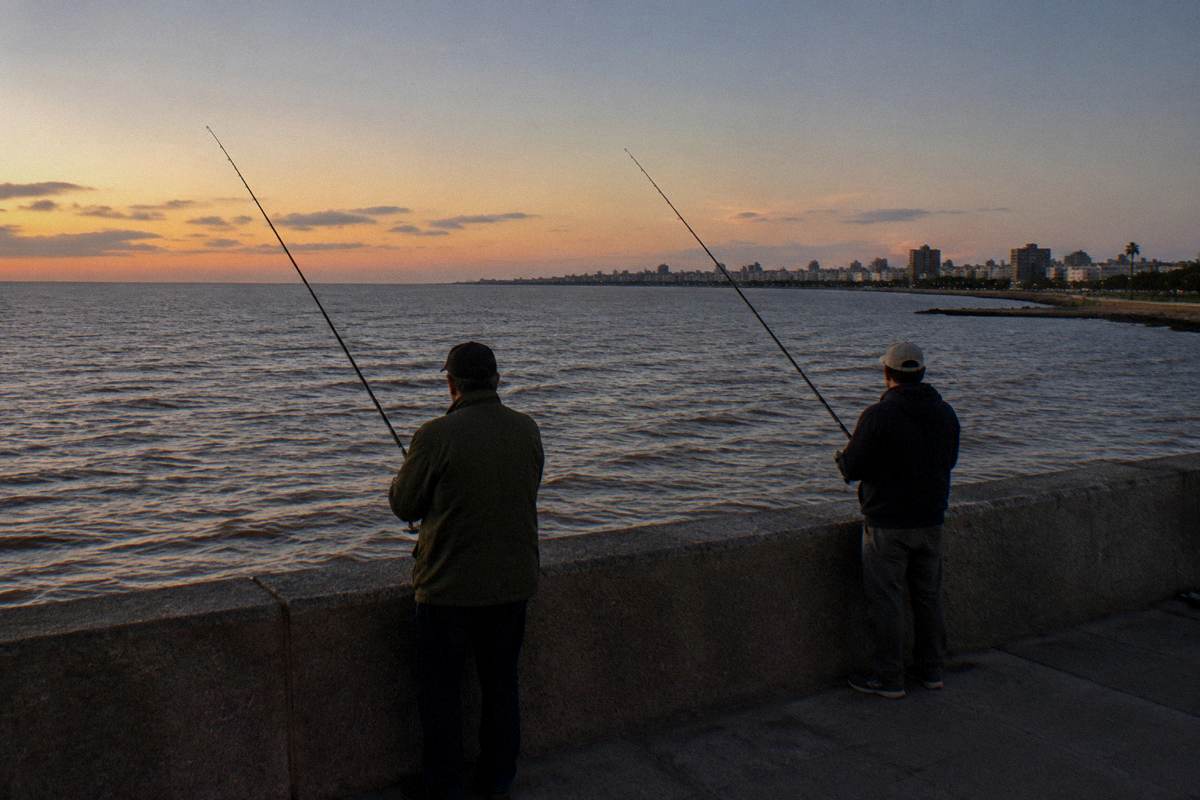
Our team recommends it most strongly for two groups. First, short-stay visitors, including cruise passengers and ferry day-trippers from Buenos Aires, who need maximum landmarks per hour: the 22 km loop covers the park district, downtown, the Old City and the riverfront in one outing, and the meeting point in Pocitos is a short taxi ride from the port. If you are arriving by ferry or ship, our Montevideo cruise port guide and our Buenos Aires to Montevideo ferry guide help with timing a same-day ride, including how much buffer to leave for disembarking. Second, travelers who have already done a walking day in the Ciudad Vieja and want to understand how the rest of the city fits together, from Parque Batlle to the Rambla. The ride is the fastest way we know to build a mental map of Montevideo's layout.
It is less suitable if you want to linger. Three hours with a group is an overview, not a deep dive, and the Old City stops are brief by design, since the group has to keep rolling. Travelers with three or more days should consider doing the e-bike tour on day one for orientation and then returning to favorites, a strategy we outline in our Montevideo itinerary for 1, 2 and 3 days. For a broader menu of options, see our guide to the best things to do in Montevideo, and for a head-to-head on formats, our comparison of hop-on hop-off versus guided tours in Montevideo weighs flexibility against depth.
One honest caveat: the exact price, departure times and any seasonal schedule changes should be checked on the operator's listing before you book, since tour details shift between seasons. The route itself, the helmet and headset inclusions, and the height and age minimums have been stable features of the listing, and they are the details that most affect whether this tour is right for you. If you match the rider profile, it is one of the highest-rated ways to spend a morning in the city.